

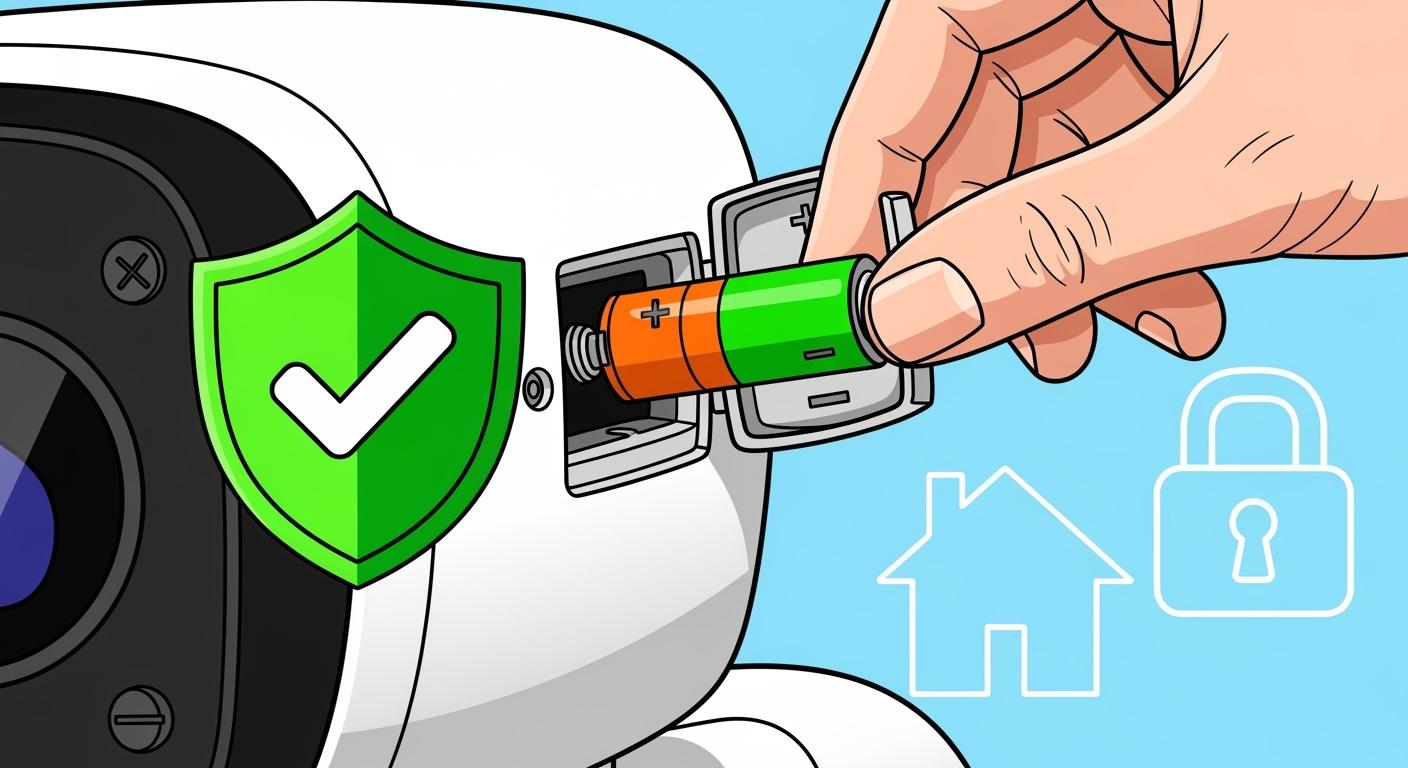
You want your security cameras to run reliably, right? Battery Safety starts with choosing the right lithium battery packs and making sure they stay cool. Always use a battery management system (BMS) to watch over charging and discharging. Keep an eye on temperature—overheating can lead to fire or device failure. If you skip these steps, you put your entire security system at risk.
Tip: Regularly check your batteries, especially if you use them in critical environments like medical, industrial, or security systems.
Key Takeaways
Choose certified lithium batteries like LiFePO4 or NMC for safety and reliability in security cameras.
Always use a Battery Management System (BMS) to monitor charging and prevent overheating.
Store batteries in a cool, dry place to extend their lifespan and maintain performance.
Regularly check battery health, especially in critical environments, to catch issues early.
Ensure battery compatibility with your camera to avoid failures and ensure smooth operation.
Part1: Battery Safety Importance
1.1 Lithium Battery Packs in Security Cameras
You want your security cameras to work around the clock, especially in critical places like hospitals, factories, or infrastructure sites. Lithium battery packs make this possible. They deliver a stable voltage, so your cameras keep recording even if the main power goes out. Unlike lead-acid batteries, lithium packs don’t need constant float charging. This means you avoid power dips that could interrupt surveillance.
You’ll also notice that lithium battery packs last longer between charges. That’s a big win for security systems in remote or hard-to-reach locations. You don’t have to send someone out as often to swap batteries, which saves time and money. These batteries also come with built-in protections, so you can trust them to run unattended in medical, robotics, or industrial environments.
Here’s a quick look at how different lithium chemistries compare for security and other applications:
Chemistry | Platform Voltage (V) | Energy Density (Wh/kg) | Cycle Life (cycles) | Common Applications |
|---|---|---|---|---|
LiFePO4 | 3.2 | 90–120 | 2000–4000 | Security, medical, industrial |
NMC | 3.7 | 150–220 | 1000–2000 | Robotics, infrastructure, security |
LCO | 3.7 | 150–200 | 500–1000 | Consumer electronics |
LMO | 3.7 | 100–150 | 300–700 | Consumer, industrial |
Solid-state | 3.7–4.2 | 250–500 | 1000–5000 | Medical, robotics, security |
Lithium metal | 3.4–3.6 | 300–500 | 500–1000 | Medical, specialty electronics |
Note: For security cameras, LiFePO4 and NMC batteries offer a strong balance of safety, long life, and reliability.
1.2 Risks of Battery Failure
If you overlook Battery Safety, you put your entire security system at risk. Battery failure can cause more than just downtime. Overheating may lead to fires, especially in environments with sensitive equipment. Leaks can damage your cameras and even pose chemical hazards to staff.
You need to pay attention to Battery Safety because lithium batteries store a lot of energy in a small space. If something goes wrong, the consequences can be severe. Regular checks and a good battery management system help you catch problems early. This keeps your security cameras running smoothly and protects your investment.
Longer runtimes mean fewer interruptions.
Lower replacement frequency saves costs for your business.
Built-in protections support safe, unattended operation.
When you prioritize Battery Safety, you ensure reliable surveillance and peace of mind for your team.
Part2: Main Battery Risks

2.1 Overheating and Fire Hazards
You might think lithium batteries are safe, but overheating is a real concern—especially in security cameras that run nonstop. When batteries like LiFePO4, NMC, LCO, or LMO get too hot, they can catch fire or even explode. This risk increases in places with poor ventilation or high ambient temperatures, such as industrial plants or outdoor infrastructure. You can reduce these dangers by using a battery management system (BMS) that monitors temperature and prevents overcharging. If you notice your camera feels unusually warm, don’t ignore it. Take action right away to avoid bigger problems.
Chemistry | Fire Risk | Typical Application |
|---|---|---|
LiFePO4 | Low | Security, medical, industrial |
NMC | Moderate | Robotics, infrastructure |
LCO | High | Consumer electronics |
LMO | Moderate | Consumer, industrial |
Tip: Always install cameras in shaded or climate-controlled areas when possible. This helps keep battery temperatures in check.
2.2 Leakage and Chemical Risks
Leaking lithium batteries can cause more than just equipment damage. You face health risks if you come into contact with battery fluids. Here’s what you need to watch out for:
Respiratory distress: Coughing, wheezing, and trouble breathing.
Ocular and dermal irritation: Red, watery, burning eyes and skin rashes.
Gastrointestinal upset: Nausea and vomiting from inhaling fumes.
Neurological effects: Headaches and dizziness from carbon monoxide.
Long-term effects: Chronic respiratory illness, heavy metal buildup, higher cancer risk, heart strain, and skin damage.
If you ever spot a leak, follow these steps:
Prevent direct contact with battery fluids.
Remove all batteries and dispose of them as the manufacturer recommends.
Rinse any skin or clothing exposed to battery fluid with water right away.
Never expose an open battery to water—this could cause a fire or explosion.
2.3 Installation and Compatibility Issues
You want your security cameras to work without hiccups. Poor installation or using the wrong battery type can lead to early failure. Always check that your battery packs match your camera’s requirements, especially for LiFePO4, NMC, LCO, or LMO chemistries.
The absence of a UPS (battery backup) with AVR (auto-voltage regulation) was a common factor in the premature failure of security cameras. An AVR UPS is crucial as it ensures continued operation by managing voltage fluctuations that can damage electrical components.
Test backup batteries in control panels and wireless sensors, especially during winter.
Make sure all connections are secure and compatible.
Battery Safety starts with the right choices and regular checks. You protect your investment and keep your security systems running smoothly.
Part3: Battery Safety Best Practices
3.1 Safe Installation and BMS
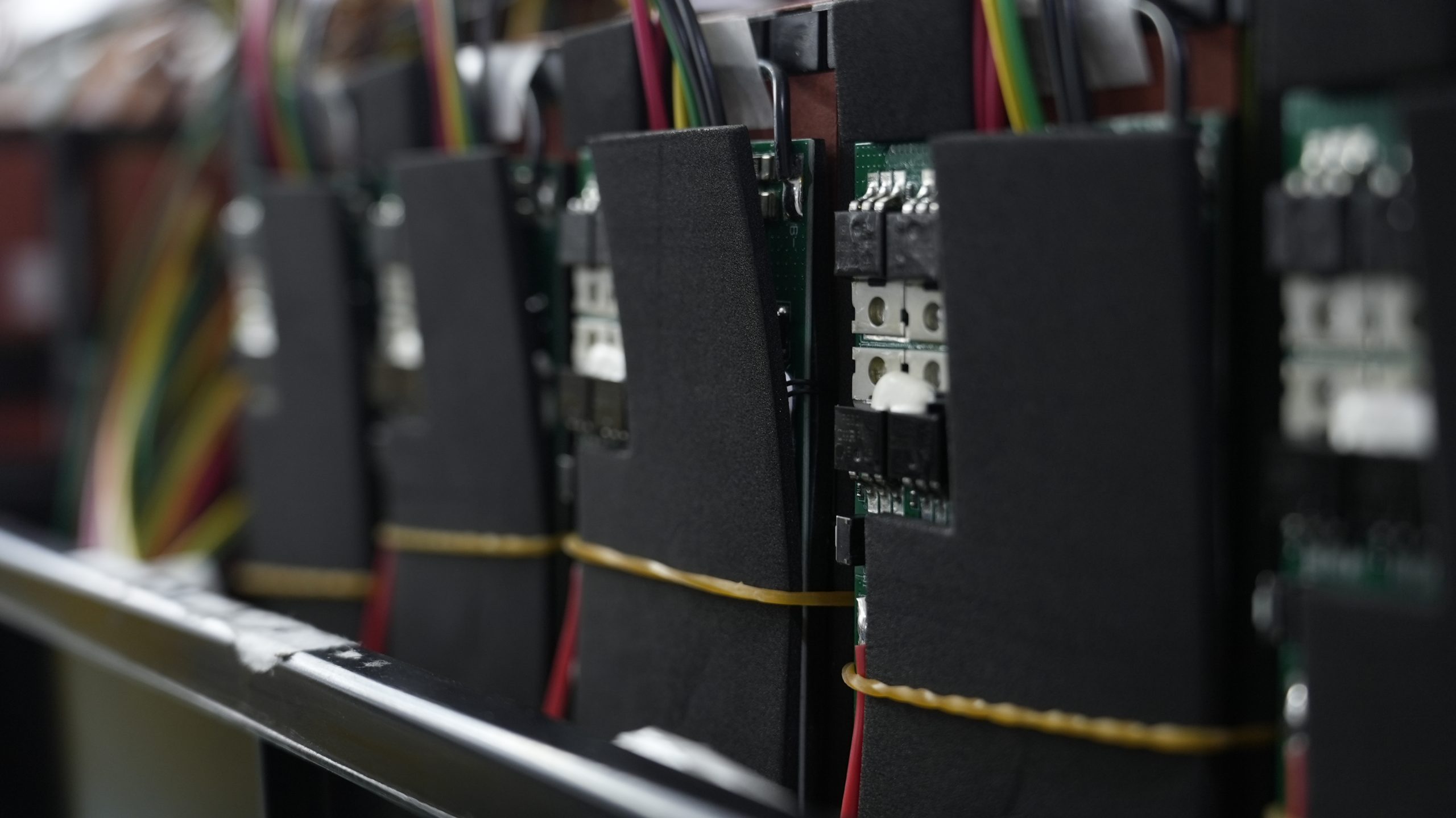
You want your security cameras to work flawlessly, whether you’re protecting a hospital, a factory, or a remote infrastructure site. Safe installation starts with the right lithium battery pack—LiFePO4 or NMC—and a focus on Battery Safety from day one. Here’s what you need to do:
Always use a battery pack with a built-in Battery Management System (BMS). The BMS protects against overcharge, over-discharge, and over-current events. This is essential for installations in medical, robotics, and industrial environments.
Choose 12V lithium batteries for continuous operation. These batteries prevent voltage sags and keep your cameras running, even during power interruptions.
Follow manufacturer guidelines for wiring and mounting. Secure all connections to avoid accidental shorts or loose contacts.
A BMS does more than just monitor your battery. It actively manages temperature, voltage, and current to keep your security cameras safe and reliable. Here’s a quick look at how a BMS protects your system:
Aspect | Description |
|---|---|
Thermal Management | The BMS controls battery temperature through heating and cooling, preventing damage from extreme temperatures. This is crucial for security cameras in outdoor or industrial settings. |
Electrical Management | The BMS monitors current and voltage, protecting against overcurrent and voltage spikes. This keeps your battery within safe limits and reduces the risk of failure. |
Functional Safety | The BMS ensures voltage, current, and temperature stay within safe operating limits. This prevents dangerous conditions like thermal runaway, which could compromise your security system. |
3.2 Charging and Usage Guidelines
Charging your lithium battery packs the right way makes a big difference in safety and lifespan. You don’t want to risk overheating or early failure, especially in critical security or industrial applications. Here’s how you can get the most out of your batteries:
Use a smart charger. Smart chargers monitor the charging process and stop when the battery is full. They also check temperature and protect against short circuits.
Charge your batteries with shallow discharges and recharges. This reduces stress and helps your batteries last longer.
Avoid charging to 100% and leaving the device plugged in. This prevents aging of the battery and electronics.
Once a month, let the battery discharge to about 5%. This recalibrates the battery’s self-assessment and keeps it accurate.
Keep the battery above 20% charge for best health.
If you won’t use the battery for a while, store it at around 50% charge.
Tip: Always use the official charger that comes with your security camera system. This ensures safe and efficient charging, especially for LiFePO4 and NMC packs.
3.3 Storage and Environmental Factors
Where and how you store your lithium batteries matters just as much as how you use them. Security cameras in medical, industrial, or infrastructure settings often face tough conditions. Here’s how you can protect your investment:
Store batteries in a cool, dry place away from direct sunlight. The ideal storage temperature is between 10°C and 20°C (50°F and 68°F). For best results, aim for around 15°C (59°F).
Keep batteries indoors to avoid drastic temperature swings. This helps prevent capacity loss and extends battery life.
Avoid humidity. Moisture can damage lithium batteries and lead to corrosion, especially in winter. Use silica gel packets or a dehumidifier if you store batteries in humid environments.
Never store batteries near chemicals or flammable materials.
Routine inspection and maintenance are key for B2B clients. The frequency depends on your environment:
Environment Type | Maintenance Frequency |
|---|---|
Indoor Residential | Twice a year |
Outdoor Cameras | Every three months |
Coastal Properties | More frequent checks needed |
Commercial/Industrial | Monthly checks |
High-Security Locations | Monthly checks |
Regular checks help you spot problems early and keep your security cameras running without interruption.
By following these best practices, you boost Battery Safety and ensure your security systems stay reliable—no matter where you deploy them.
Part4: Choosing Safe Batteries and Cameras
4.1 Certified Lithium Batteries
When you pick lithium battery packs for your security cameras, always look for certified options. Certified batteries go through strict testing and use high-quality materials. This means you get better performance and fewer risks in places like hospitals, factories, or infrastructure sites. You also help your business meet compliance standards and avoid supply chain issues by choosing batteries that follow responsible sourcing. For more on responsible sourcing, check out this conflict minerals statement.
Here’s a quick comparison to help you see the difference:
Feature | Certified Batteries | Non-Certified Batteries |
|---|---|---|
Manufacturing Quality | High-quality materials, rigorous testing | Low-quality materials, higher risk of defects |
Safety Features | Built-in failsafes, UL certification | Lack of safety features, higher risk of failure |
Testing | Survives real-world accident simulations | No standardized testing, unpredictable safety |
Risk of Short Circuits | Low due to quality control | High due to manufacturing defects |
You want batteries that can handle the demands of security, medical, robotics, or industrial environments. Certified lithium packs like LiFePO4 or NMC give you peace of mind and help you maintain Battery Safety.
4.2 Camera Compatibility
Choosing the right battery is only half the job. You also need to make sure your battery and camera work well together. Here’s what you should check:
Power Requirements: Use 12V lithium batteries for stable voltage. This keeps your security cameras running smoothly.
Sizing: Match the battery size to your system’s wattage needs. This prevents power loss and downtime.
Operational Considerations: Lithium batteries avoid voltage sag and don’t need long float charging. This helps your cameras perform better in all conditions.
If you use non-compatible batteries, you might see slow camera response or even system failures. These problems can make you think your cameras are broken when it’s really a battery issue. In cold weather, the wrong battery may stop working, leaving your security system exposed.
By focusing on certified batteries and proper compatibility, you protect your investment and keep your security cameras reliable in any environment.
You want your security cameras to stay reliable and safe. Focus on Battery Safety by using a BMS, monitoring temperature, and storing batteries in the right environment. Train your team and schedule regular checks. When you do this, you spot problems early and help your cameras last longer.
Benefit | Description |
|---|---|
Early issue identification | Regular testing helps you catch problems before they grow, boosting reliability. |
Enhanced camera longevity | Ongoing maintenance keeps your cameras working well and extends their life. |
Stay proactive and make battery safety a routine part of your security system management.
FAQ
What is the safest lithium battery chemistry for security cameras?
LiFePO4 batteries offer the best safety for security cameras. You get low fire risk, long cycle life, and stable performance.
How often should I check lithium batteries in my security system?
You should check batteries at least every three months. For high-security or industrial sites, monthly checks work best. Regular inspections help you spot problems early and keep your cameras running.
Can I use any lithium battery pack with my security camera?
No, you need to match the battery chemistry and voltage to your camera’s requirements. Using the wrong type, like LCO instead of LiFePO4, can cause failures or safety risks.
What happens if a lithium battery overheats in a camera?
Overheating can lead to fire, leaks, or device failure. If you notice a hot battery, turn off the camera and replace the battery right away. Always use a BMS to monitor temperature.
Do lithium batteries need special storage conditions?
Yes! Store batteries in a cool, dry place between 10°C and 20°C (50°F to 68°F). Avoid sunlight and humidity. This keeps your batteries safe and extends their life.


