

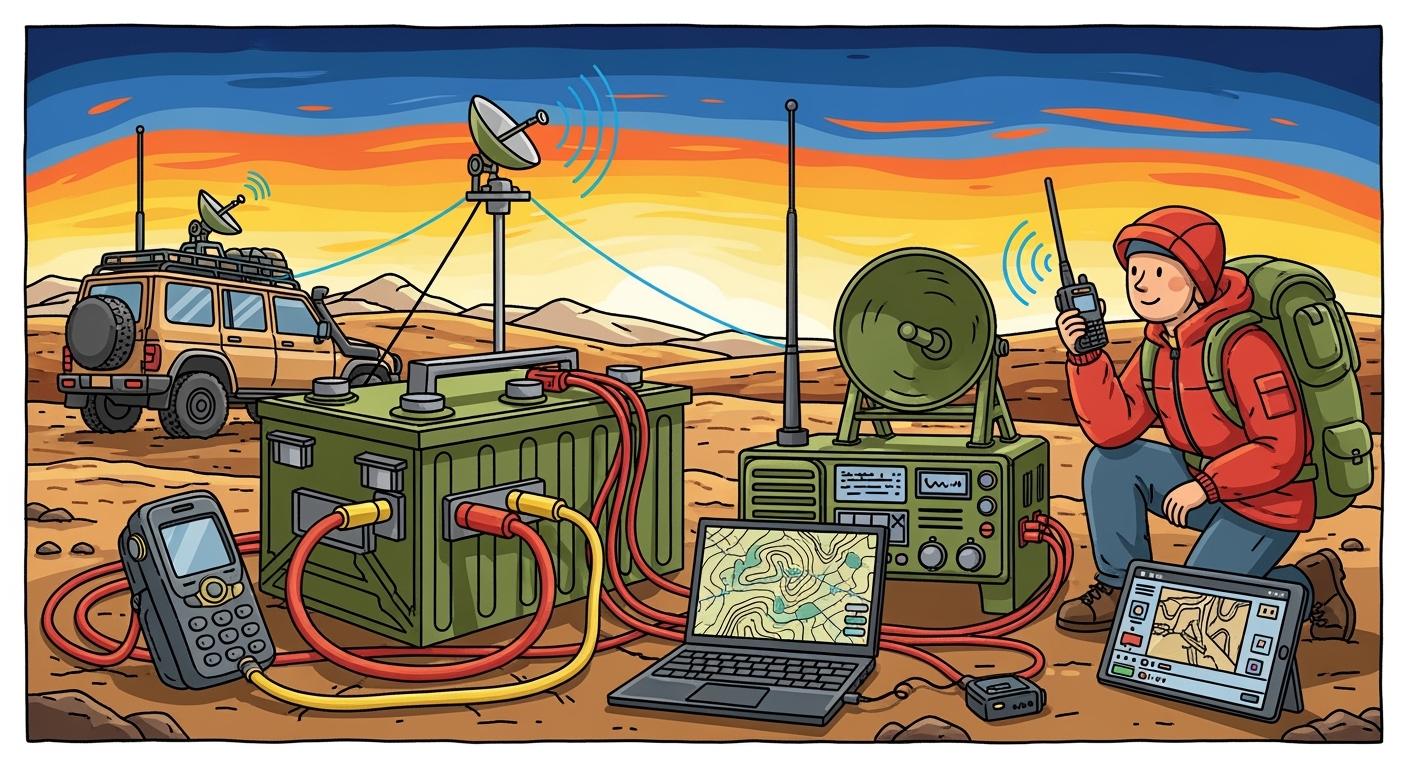
You depend on reliable battery power to keep mobile and vehicle-mounted communication systems running in challenging environments. Power loss can stop critical devices, disrupt coordination, and slow recovery after disasters. You face risks such as power failures, damaged equipment, and overloaded networks during tactical, emergency, or remote operations. Selecting the right Battery Solutions—including lithium, NiMH, and NiCd batteries—helps you maintain uninterrupted communication vital for your mission.
Quick Answer
Mobile and vehicle-mounted communication systems need lithium battery solutions that provide stable DC output, fast charging, vibration resistance, and safe backup power during field coordination. LiFePO4 and NMC packs with a protected BMS help maintain radio, router, dispatch, and surveillance uptime in remote or mobile operations.
Key Takeaways
Choose lithium batteries for high energy density and long life in communication systems.
Consider NiMH and NiCd batteries for specific field applications with unique needs.
Use UPS and backup power solutions to protect communication equipment from outages.
Match battery capacity to your system’s power needs to ensure continuous operation.
Follow proper installation and maintenance practices to extend battery life and reliability.
Part1: Battery Solutions and Types
1.1 Lithium Battery Packs
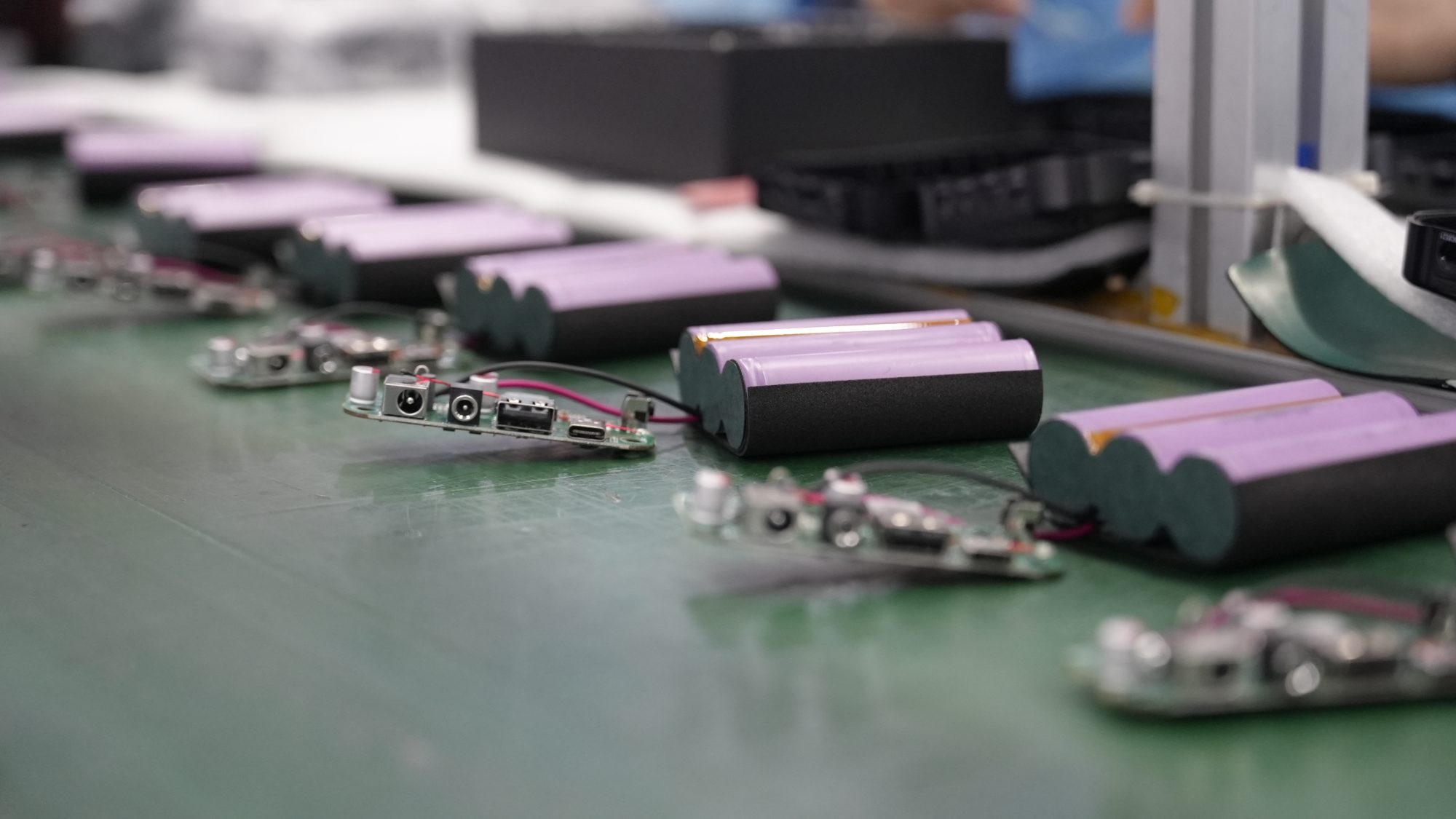
You need high-performance Battery Solutions for mobile and vehicle-mounted communication systems. Lithium battery packs stand out because they deliver the highest energy density and longest cycle life. These packs use advanced chemistries such as LiFePO4 (Lithium Iron Phosphate), NMC (Nickel Manganese Cobalt Oxide), LCO (Lithium Cobalt Oxide), and LMO (Lithium Manganese Oxide). Each chemistry offers unique benefits for different applications:
Battery Chemistry | Energy Density (Wh/kg) | Cycle Life (80% discharge) | Typical Use Cases |
|---|---|---|---|
LiFePO4 | 90-120 | 2000+ | Medical, robotics, infrastructure |
NMC | 150-200 | 1000-2000 | Security, industrial, telecom |
LCO | 150-190 | 500-1000 | Consumer electronics, portable |
LMO | 100-150 | 700-1500 | Power tools, backup systems |
Lithium battery packs weigh less and last longer than NiMH or NiCd batteries. You can expect reliable performance even in demanding environments. Many organizations choose lithium packs for C4ISR, medical, and industrial field operations.
Tip: Lithium battery packs require less maintenance and support remote monitoring for intelligent management.
1.2 NiMH and NiCd Batteries
NiMH and NiCd batteries remain important Battery Solutions for specific field applications. NiMH batteries offer 30-40% more capacity than NiCd and are more environmentally friendly. However, NiMH batteries have a higher self-discharge rate and shorter service life. NiCd batteries excel in extreme temperatures and provide reliable backup power due to their low self-discharge rate.
Feature | NiMH Batteries | NiCd Batteries |
|---|---|---|
Self-Discharge Rate | Higher, up to 25% in weeks | Lower, reliable for backup |
Maintenance Requirements | Easier to maintain | Rugged, withstands harsh conditions |
Temperature Resistance | Loses capacity in extremes | Performs well in extreme temperatures |
Operational Lifespan | Shorter, more degradation | Longer, withstands many cycles |
Advantages of NiCd: Quick charging, robust, cost-effective, excellent at low temperatures.
Disadvantages of NiCd: Lower energy density, memory effect, contains toxic chemicals.
Advantages of NiMH: Higher capacity, less memory effect, easy storage, environmentally friendly.
Disadvantages of NiMH: Shorter lifespan, faster charge depletion.
1.3 UPS and Backup Power Options
You can enhance system reliability with UPS and backup power solutions. Telecom and field operations often use QuantumCore Uninterruptible Power Supply (UPS) Series, which stores up to 120 kW-hr and adapts to various voltage needs. Mitsubishi Electric 3 Phase UPS units (10kVA to 2000kVA) and battery backup systems with lithium-ion (NMC, LMO, SFLP) or lead acid chemistries are also common. These systems protect your communication equipment from outages and voltage fluctuations.
Note: For responsible sourcing, review our conflict minerals statement.
By understanding these Battery Solutions, you can select the right power source for your mobile or vehicle-mounted communication systems in any field scenario.
Part2: Selection Criteria for Battery Solutions
2.1 Capacity and Power Needs
You must match battery capacity to the operational demands of your communication systems. Start by analyzing the power consumption profile of each device. Measure current draw in all modes—sleep, standby, and active—to understand the true energy requirements. Tools such as the Keithley DMM7510 or 2281S-20-6 Battery Simulator help you simulate battery performance and predict how long your system will run before needing a recharge.
Consider these factors when determining battery capacity:
Battery longevity supports continuous connectivity during long deployments.
Extended battery life ensures your systems function through prolonged incidents without recharging.
The ability to recharge using alternative sources, such as solar panels, is essential in remote or off-grid locations.
You should also account for peak loads and the lowest voltage your devices can tolerate before shutting down. This approach prevents unexpected outages and maximizes operational uptime.
2.2 Durability and Safety
You need batteries that withstand harsh conditions and maintain safety in every scenario. Durability depends on the battery’s ability to resist corrosion, temperature swings, and exposure to moisture or chemicals. For hazardous environments, select custom battery packs with robust enclosures and advanced venting systems. These features prevent short circuits, overheating, and other dangerous reactions.
Safety certifications are critical for vehicle-mounted and mobile systems. Look for batteries that meet these standards:
UN 38.3 tests (thermal, vibration, altitude, shock, impact, overcharge)
Nail penetration test (internal short circuit simulation)
Performance tests (verify specifications and reliability)
Standard no. | Standard name |
|---|---|
UL 2580 | Batteries for Use in Electric Vehicles |
SAE J2929 | Safety Standard for Electric and Hybrid Vehicle Propulsion Battery Systems Utilizing Lithium-based Rechargeable Cells |
SAE J1798 | Performance Rating of Electric Vehicle Battery Modules |
SAE J2380 | Vibration Testing of Electric Vehicle Batteries |
FMVSS | Federal Motor Vehicle Safety Standards |
CMVSS | Canadian Motor Vehicle Safety Standards |
UNECE R100/R136 | UN requirements for electric power train safety |
GB 38031 | China EV cell and system safety |
KMVSS | Korean motor vehicle safety standards |
LV 124 | German automotive manufacturer testing standards |
ISO 6469-1 | Electrically Propelled Road Vehicles — Safety Specifications |
IEC 62660-3 | Secondary Lithium-ion Cells for Propulsion — Safety Requirements |
IEC 63057 | Safety Requirements for Secondary Lithium Batteries for Use in Road Vehicles Not for Propulsion |
You should prioritize lithium battery packs with integrated Battery Management Systems (BMS). A BMS monitors cell voltage, temperature, and charge/discharge cycles. It prevents overcharging, overheating, and deep discharge, which extends battery life and improves safety. For more details, see our guide to Battery Management Systems (BMS).
2.3 Environmental and Integration Factors
You must evaluate the deployment environment before selecting Battery Solutions. Extreme temperatures, high humidity, and constant vibration can degrade battery performance and increase safety risks. These factors may cause uncontrolled energy release, leading to smoke, fire, or even explosions. Always choose batteries tested under combined environmental conditions to ensure reliability.
Key environmental challenges include:
Extreme temperatures
Repeated shocks
Vibrations from transportation
In industrial, medical, robotics, security, and infrastructure applications, you need batteries that resist degradation and maintain performance under stress. Lithium Iron Phosphate (LiFePO4), Nickel Manganese Cobalt Oxide (NMC), Lithium Cobalt Oxide (LCO), and Lithium Manganese Oxide (LMO) chemistries offer different strengths for these scenarios. For example, LiFePO4 provides excellent thermal stability for medical and infrastructure use, while NMC suits industrial and security systems due to its high energy density.
You should also consider integration with intelligent management systems. An Energy Management System (EMS) oversees charging and discharging, uses predictive analytics, and provides real-time monitoring. This integration helps you detect issues early, optimize maintenance, and ensure reliable operation in the field.
Tip: Always verify compatibility between your battery packs, BMS, and communication equipment to avoid operational disruptions.
By following these criteria, you can select Battery Solutions that deliver reliable power, safety, and performance for your mobile and vehicle-mounted communication systems in any environment.
Part3: Installation and Connection Best Practices
3.1 Proper Installation Steps
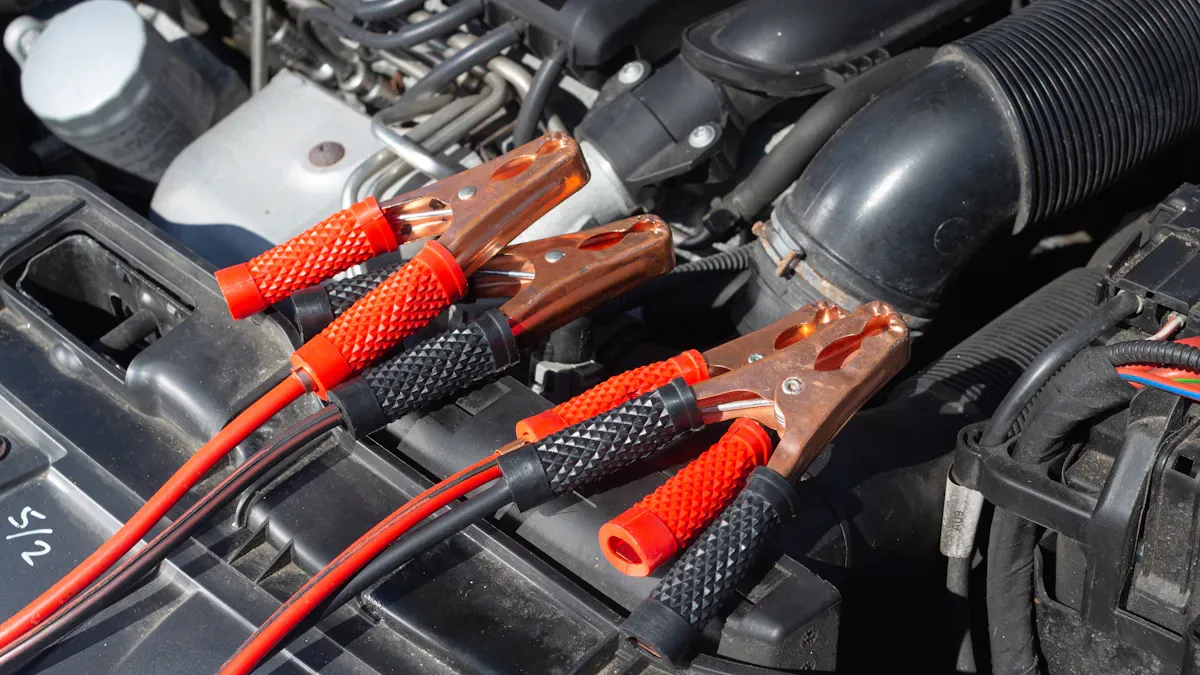
You must follow a clear process when installing batteries in vehicle-mounted communication systems. Start by disconnecting the vehicle’s negative battery terminal. This step prevents electrical shock and short circuits. Choose a mounting location that allows airflow and easy access. Avoid areas near airbags or heat sources. Route the power cable directly to the battery. This reduces electrical interference and improves reliability. Place in-line fuses close to the battery connection. Install one on the positive lead and one on the negative lead. Securely attach the leads to the battery terminals or an approved grounding point. Manage cables so they do not rub against metal or interfere with vehicle controls. After reconnecting the battery, test the system. Check for proper voltage and clear communication.
Installation Steps:
Disconnect vehicle power.
Select a safe mounting location.
Route power cable directly to battery.
Install in-line fuses.
Connect positive and negative leads.
Secure wiring.
Test system performance.
3.2 Safe Connections and Interference Prevention
You must prevent electrical interference and blown fuses during battery connection. Inspect all fuses for correct rating and condition. Check circuit breakers for proper operation. Test relay function with a multimeter. Make sure the fuse box cover is secure and sealed. Document any blown fuses and investigate the cause. Always disconnect the battery negative terminal before working on electrical systems. Use lockout/tagout procedures for safety. Use a digital multimeter for accurate voltage and resistance readings. Keep electrical contact cleaner and dielectric grease handy for maintaining connections.
Common Installation Error | Consequences |
|---|---|
Using undersized cables | Voltage drop, excess heat, reduced performance |
Incorrect charging setup | Incomplete charging, system disconnections |
Undersized battery bank | Voltage sag, unexpected shutdowns |
Poor or unbalanced wiring | Uneven charging/discharging, reduced reliability |
Mixing different batteries | Imbalance, reduced efficiency, long-term issues |
Lack of proper protection | Safety hazards, damage to components |
Tip: Separate power and signal cables. Use high-quality shielding to reduce electromagnetic interference. Install noise filters if needed.
3.3 Ensuring Reliable Operation
You must use quality radios with reinforced housings and sealed connectors. Choose components rated for industrial use. Many models have IP ratings for dust and water resistance. Battery systems should provide extended runtime and quick charging. Accessories like rugged cases and redundant charging solutions add reliability. Regular maintenance extends equipment life. Clean connectors and update firmware often. Proper cable management and shielding minimize voltage drops and interference. Route cables effectively and separate power from signal lines. Use a single solid grounding point to eliminate ground loops.
Note: Battery Solutions designed for medical, robotics, security, and industrial applications require careful installation and ongoing maintenance to ensure reliable operation in demanding environments.
Part4: Maintenance and Scenario Comparison
4.1 Routine Maintenance Tips
You can extend battery life and reduce downtime by following a consistent maintenance routine. For lithium, NiMH, and NiCd batteries, you should avoid deep discharge cycles. Recharge batteries before they reach full depletion. Use smart chargers with temperature sensors and automatic cutoff to prevent overheating. Store batteries at moderate temperatures, ideally between 10°C and 25°C. This practice helps maintain capacity and cycle life. Perform occasional conditioning cycles, especially for NiMH and NiCd, to recalibrate performance. Always keep battery contacts clean to ensure efficient power transfer.
Maintenance Practice | Description |
|---|---|
Avoid Deep Discharge | Recharge before complete depletion to slow degradation. |
Use Smart Chargers | Temperature sensing and automatic cutoff improve safety and efficiency. |
Store at Moderate Temperatures | 10°C to 25°C is ideal; avoid excessive heat. |
Perform Occasional Conditioning | Full charge-discharge cycles help recalibrate some batteries. |
Keep Contacts Clean | Clean terminals to reduce resistance and maintain performance. |
You should schedule maintenance checks based on usage intensity. For vehicle-mounted systems, test main radio functions monthly, inspect for corrosion quarterly, and run diagnostics annually.
Frequency | Maintenance Task |
|---|---|
Monthly | Test radio functions and power controls. |
Quarterly | Clean and inspect for corrosion. |
Annually | Measure battery capacity and plan replacements. |
4.2 Troubleshooting Common Issues
You may encounter issues such as rapid capacity loss, overheating, or communication dropouts. If you notice reduced runtime, check for dirty contacts or signs of corrosion. Overheating often results from faulty chargers or poor ventilation. If a battery fails to hold charge, run a full diagnostic to check for cell imbalance or end-of-life. Always replace batteries that show swelling, leakage, or persistent faults.
Tip: Use a battery analyzer to measure internal resistance and capacity. This tool helps you identify failing cells before they disrupt operations.
4.3 Field vs. Remote and Vehicle vs. Portable
You must select Battery Solutions based on your operational scenario. Each environment places unique demands on battery performance. The table below compares key metrics for lithium chemistries (LiFePO4, NMC, LCO, LMO), NiMH, and NiCd batteries in field, remote, vehicle, and portable applications.
Scenario | Recommended Chemistry | Capacity (Ah) | Cycle Life (cycles) | Energy Density (Wh/kg) | Key Advantage |
|---|---|---|---|---|---|
Field | LiFePO4, NiCd | 10–100 | 2000+ (LiFePO4) | 90–120 (LiFePO4) | Thermal stability |
Remote | NMC, LMO | 20–200 | 1000–2000 (NMC) | 150–200 (NMC) | High energy density |
Vehicle | LiFePO4, NMC, NiCd | 50–300 | 2000+ (LiFePO4) | 90–200 | Long cycle life, safety |
Portable | LCO, NiMH | 2–20 | 500–1000 (LCO) | 150–190 (LCO) | Lightweight, compact |
You should prioritize lithium chemistries for different applications due to their safety, energy density, and long service life.
You ensure reliable communication by selecting, installing, and maintaining Battery Solutions that match your operational needs. Robust battery management systems keep your equipment running in harsh conditions and reduce downtime. When you focus on safety, reliability, and integration, you lower costs and improve service continuity. Many organizations in security and infrastructure have gained advantages by adopting advanced lithium battery packs, such as custom designs for outdoor surveillance that work in extreme cold.
FAQ
What lithium battery chemistry suits industrial communication systems?
You should select Lithium Iron Phosphate (LiFePO4) or Nickel Manganese Cobalt Oxide (NMC). Both offer high energy density and long cycle life. Contact Large Power to design a custom battery solution for your communication equipment.
How does a Battery Management System (BMS) improve reliability?
A BMS monitors cell voltage, temperature, and charge cycles. You gain protection from overcharging, overheating, and deep discharge. This system extends battery life and ensures safe operation in demanding environments. Learn more in our guide to Battery Management Systems (BMS).
What maintenance routine maximizes lithium battery pack performance?
You should recharge before full depletion, use smart chargers, and store batteries at moderate temperatures. Clean contacts regularly. Schedule monthly radio tests and annual capacity checks. This routine reduces downtime and extends service life.
How do you ensure sustainability when sourcing lithium batteries?
You must verify responsible sourcing and compliance with conflict minerals regulations. Review supplier statements and certifications. For more information, visit our conflict minerals statement.
Which battery solution prevents communication loss during power outages?
You should use a UPS with lithium-ion chemistries such as NMC or LiFePO4. These systems provide backup power and protect equipment from voltage fluctuations. UPS solutions support uninterrupted operation in industrial sectors.
Need a custom battery design? For custom mobile communication power packs, contact Large Power with voltage, runtime, mounting, charging, and certification requirements.


