

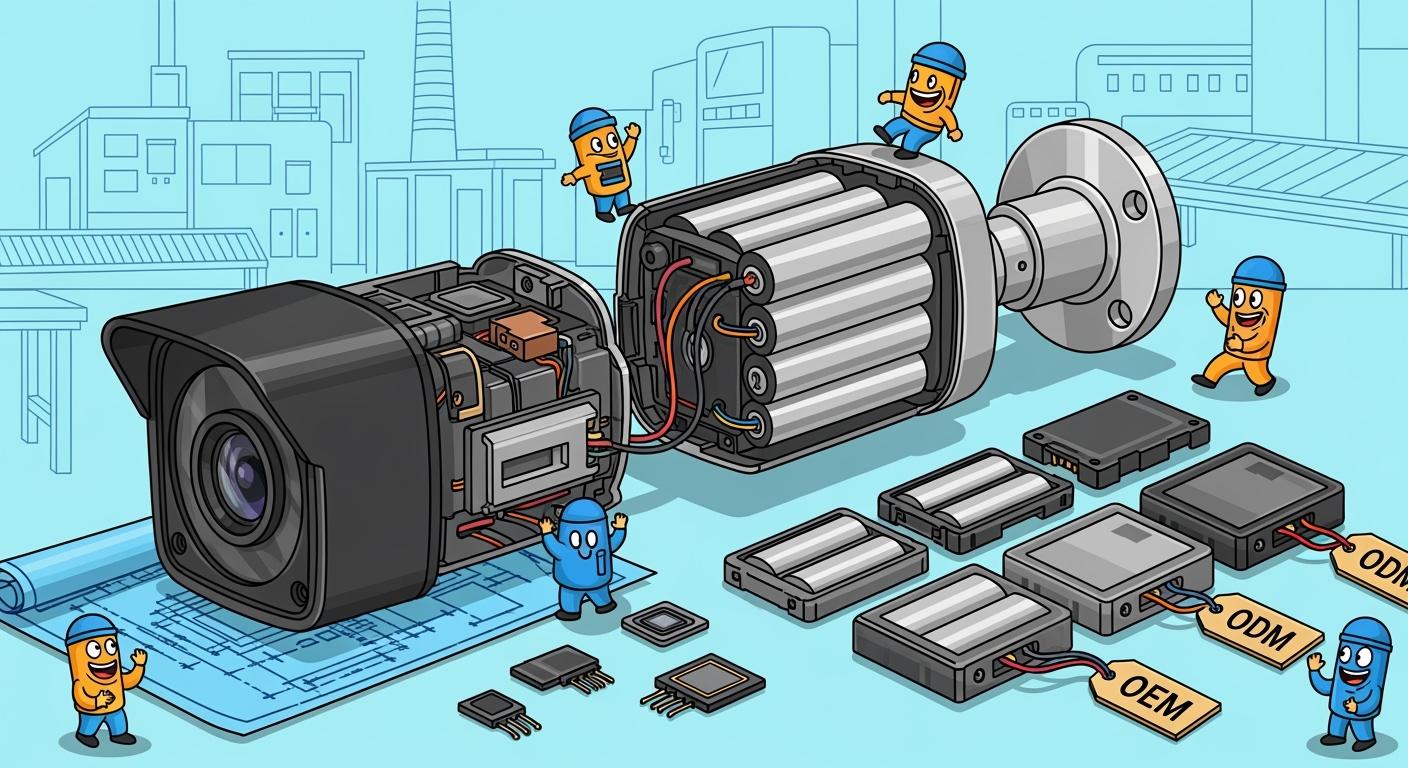
Custom Security Camera battery packs deliver the power and reliability your surveillance systems demand. When you choose OEM or ODM solutions, you gain access to tailored lithium battery packs that support advanced features and unique branding. You face challenges such as designing for specific environments, selecting the right manufacturing partner, and ensuring seamless system integration. Consider how different battery solutions can impact your product:
Standard lithium batteries offer cost efficiency for basic needs.
High-capacity lithium-ion packs provide extended runtime and fast charging for demanding applications.
Solar-paired battery systems enable near-continuous operation in well-lit areas.
By focusing on customization, you position your products for long-term performance and market leadership.
Key Takeaways
Custom battery packs enhance the performance and reliability of security cameras, ensuring they meet specific operational needs.
Choosing the right lithium chemistry, like NMC or LiFePO4, can significantly improve battery life and reduce maintenance costs.
OEM solutions offer complete control over battery design, while ODM solutions provide faster market entry with lower investment.
Prioritize safety and compliance by selecting battery packs with certifications like UL and CE to ensure quality and reliability.
Long-term partnerships with battery suppliers can lead to innovation, cost savings, and improved supply chain management.
Part 1: Custom Security Camera Battery Needs
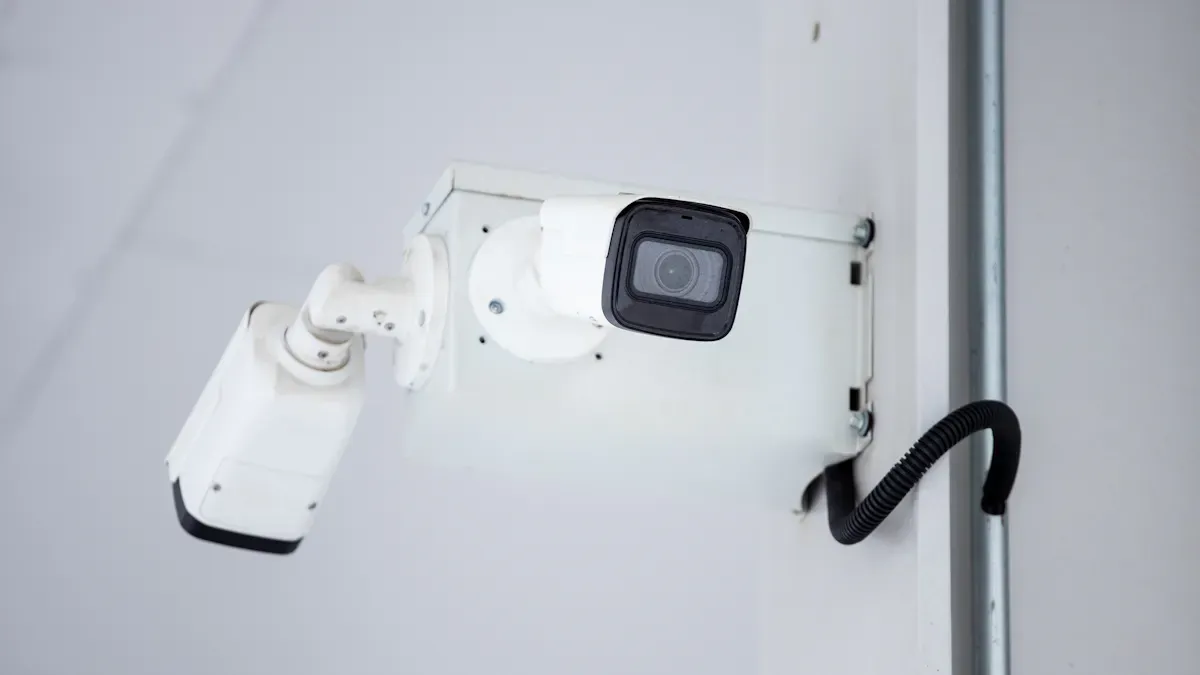
1.1 What Makes a Battery Pack Custom
You need battery packs that fit your product’s exact requirements. Customization goes beyond basic size or voltage. Manufacturers often request:
Custom capacities to match device runtime needs.
Protective casing options that fit unique device shapes and environmental demands.
Tab designs tailored for specialized security equipment.
These features ensure your Custom Security Camera battery pack integrates seamlessly with your hardware and supports advanced functions.
1.2 Key Requirements for Security Cameras
Security cameras operate in challenging environments. You must consider technical requirements that guarantee reliability and safety. The table below outlines the main needs for outdoor security camera battery packs:
Requirement | Description |
|---|---|
Humidity and Precipitation | Hermetically sealed batteries prevent corrosion and short circuits. |
Continuous Operation & Peak Demands | Batteries sustain constant power drain and handle surges during IR or motion activation. |
Long-Term Reliability & Cycle Life | High cycle life ensures years of service without frequent replacements. |
Physical Durability | Robust construction withstands environmental stress and impacts. |
Tip: Prioritize battery packs with proven durability and long cycle life to reduce maintenance costs and downtime.
1.3 Lithium Battery Advantages
Lithium battery technology stands out for security systems and other demanding applications. You benefit from:
High energy density, which allows for compact designs and longer runtimes.
Longer cycle life compared to other chemistries, reducing replacement frequency.
Stable voltage output, ensuring consistent device performance.
Below is a comparison of common lithium chemistries used in security, medical, robotics, and industrial sectors:
Chemistry | Platform Voltage (V) | Energy Density (Wh/kg) | Cycle Life (cycles) | Application Scenarios |
|---|---|---|---|---|
LCO | 3.7 | 150-200 | 500-800 | Consumer electronics, cameras |
NMC | 3.7 | 180-220 | 1000-2000 | Security, medical, industrial |
LMO | 3.7 | 100-150 | 300-700 | Power tools, robotics |
LiFePO4 | 3.2 | 90-140 | 2000+ | Infrastructure, medical, security |
You can select the chemistry that best matches your Custom Security Camera’s needs, balancing energy, lifespan, and safety.
Part 2: Why Customization Matters
2.1 Meeting Product Demands
You face unique challenges when designing power solutions for security cameras. Each application requires a battery pack that matches its specific needs. Customization allows you to address these challenges directly. The table below shows how tailored battery packs solve common issues in the security camera industry:
Challenges | Solutions |
|---|---|
Uninterrupted Power Stability | Ultra-Long Endurance |
Extreme Environmental Adaptation | Exceptional Wide Temperature Range |
Miniaturization & High Energy Density | High Energy Density Design |
Battery Life & Maintenance Costs | Low Self-Discharge Rate |
Safety & Certification Requirements | Ultimate Reliability & Safety |
You can select features that ensure your Custom Security Camera operates reliably, even in harsh environments or remote locations.
2.2 Boosting Performance and Longevity
Custom battery packs help you maximize device performance and extend operational life. You can choose lithium battery chemistries with high energy density and long cycle life, such as NMC or LiFePO4, to reduce maintenance and replacement costs. These chemistries support advanced features like continuous video recording and wireless connectivity. You also benefit from stable voltage output, which keeps your security systems running smoothly. By matching battery specifications to your product’s demands, you improve both efficiency and reliability.
Note: Selecting the right battery chemistry and design can significantly reduce downtime and service costs for your security camera systems.
2.3 Gaining Market Edge
You gain a competitive advantage when you invest in custom battery solutions. Leading manufacturers like Large Power provide tailored battery packs that enhance energy efficiency and product performance. These solutions help you stand out in a crowded market. You can also leverage options such as private label branding and performance matching to differentiate your products. Custom Security Camera battery packs with advanced features attract more business clients and build your reputation for quality and innovation.
Customization supports:
Unique branding opportunities
Superior energy efficiency
Enhanced product reliability
You position your company as a leader in the security industry by offering advanced, reliable power solutions.
Part 3: OEM and ODM Solutions
3.1 OEM: Manufacturer Control
When you choose an OEM (Original Equipment Manufacturer) solution, you gain full control over your battery pack’s design and production. OEM allows you to specify every detail, from the chemistry and capacity to the casing and connectors. You can ensure that your lithium battery pack matches your product’s technical requirements and brand identity. This approach works best if you have a strong engineering team and a clear vision for your product’s unique features.
OEM solutions give you:
Complete ownership of molds, designs, and intellectual property.
The ability to create exclusive features and advanced safety mechanisms.
Higher profit margins due to product differentiation and brand value.
You can build a long-term, defensible brand by investing in OEM. However, this path requires significant capital, longer development cycles, and a commitment to research and development.
3.2 ODM: Design and Flexibility
ODM (Original Design Manufacturer) solutions offer you a faster and more flexible route to market. With ODM, you select from pre-designed battery packs that the manufacturer has already developed. You can add your branding and make minor adjustments, but the core design remains the same. This model suits companies that want to launch products quickly or test new market segments without heavy investment.
ODM solutions provide:
Lower upfront costs and reduced risk.
Rapid deployment using proven designs.
Access to established manufacturing processes and quality controls.
You can focus on marketing and sales while relying on the manufacturer’s expertise in lithium battery technology. ODM works well for startups, companies entering new markets, or those sourcing commodity-like products.
3.3 Choosing the Right Model
Selecting between OEM and ODM depends on your business goals, resources, and market strategy. The table below highlights key factors to consider for each approach:
Factor | OEM Considerations | ODM Considerations |
|---|---|---|
Product Uniqueness | Exclusive design and unique features | Standardized products with less differentiation |
Brand Control | Total control over aesthetics, materials, and user experience | Limited control, often reliant on the manufacturer’s design |
Intellectual Property | Ownership of molds and designs, protecting unique innovations | Manufacturer often retains IP rights, limiting brand ownership |
Profit Margins | Higher margins due to exclusivity and unique offerings | Lower margins, often competing on price with generic products |
Speed to Market | Longer development time due to R&D and tooling requirements | Faster market entry with existing designs |
Investment | Requires significant capital and resources for development | Lower upfront investment, suitable for startups |
Tip: Choose ODM if you have a limited budget, need to move quickly, or want to test a new market. Choose OEM if you have a unique product idea, strong in-house engineering, and want to build a premium brand.
You can use the following checklist to guide your decision:
Choose ODM if:
You are a startup with a limited budget.
Your primary strength is marketing and brand-building.
Speed to market is your top priority.
You are entering a new, untested market category.
You are sourcing commodity-like products.
Choose OEM if:
You have a truly innovative product idea with unique functionality.
Your brand’s core value proposition is product superiority.
You have a strong in-house design and engineering team.
You are building a long-term, defensible brand with high margins.
You have sufficient capital and a longer time horizon.
For Custom Security Camera battery packs, your choice between OEM and ODM will shape your product’s performance, brand reputation, and market success. Evaluate your resources and strategic goals to select the model that aligns best with your business vision.
Part 4: Choosing the Right Battery Pack
4.1 Compatibility and Integration
You need to ensure that your battery pack fits seamlessly with your security camera system. Compatibility challenges often arise during integration. The table below highlights the most common issues you may encounter:
Challenge | Description |
|---|---|
Safe Mounting and Enclosure Options | Proper installation is crucial for safety and longevity, requiring strong materials and good airflow. |
Wiring and Integration | Careful wiring is essential for stability and efficiency, ensuring all components work together. |
Compatibility with Power Requirements | Ensuring the battery pack meets the specific power needs of the cameras is vital for functionality. |
You should work closely with your engineering team and battery supplier to address these challenges early in the design process. This approach helps prevent costly redesigns and system failures.
4.2 Power, Efficiency, and Runtime
Selecting the right lithium battery chemistry directly impacts your camera’s performance. For example, NMC batteries offer high energy density (180-220 Wh/kg) and long cycle life (1,000-2,000 cycles), making them ideal for security and industrial applications. LiFePO4 batteries provide even longer cycle life (2,000+ cycles) and stable voltage, which suits infrastructure and medical devices. You should match the battery’s capacity and discharge rate to your camera’s power profile. This ensures reliable operation during peak loads, such as night vision or wireless data transmission. Efficient battery packs reduce maintenance and extend the operational life of your Custom Security Camera systems.
Tip: Always verify the runtime under real-world conditions to avoid unexpected downtime.
4.3 Safety and Certification
You must prioritize safety and compliance when choosing a battery pack. Look for certifications such as UL, CE, and UN38.3, which demonstrate adherence to international safety standards. Reliable suppliers also provide documentation on material sourcing and ethical practices. For more information on responsible sourcing, review the conflict minerals statement. Proper certification not only protects your brand but also ensures smooth entry into global markets.
4.4 Environmental Considerations
Environmental factors play a critical role in battery performance and longevity. Temperature extremes and moisture can degrade lithium batteries, leading to reduced capacity and shorter service life. You should store and operate battery packs in dry, moderate environments—ideally between 10°C and 20°C (50°F and 68°F)—to minimize capacity loss and prevent condensation damage. For a deeper look at sustainable practices and environmental responsibility, visit our sustainability page.
Note: Environmental controls help you maintain consistent performance and extend the lifespan of your security camera systems.
Part 5: Custom Security Camera OEM/ODM Process
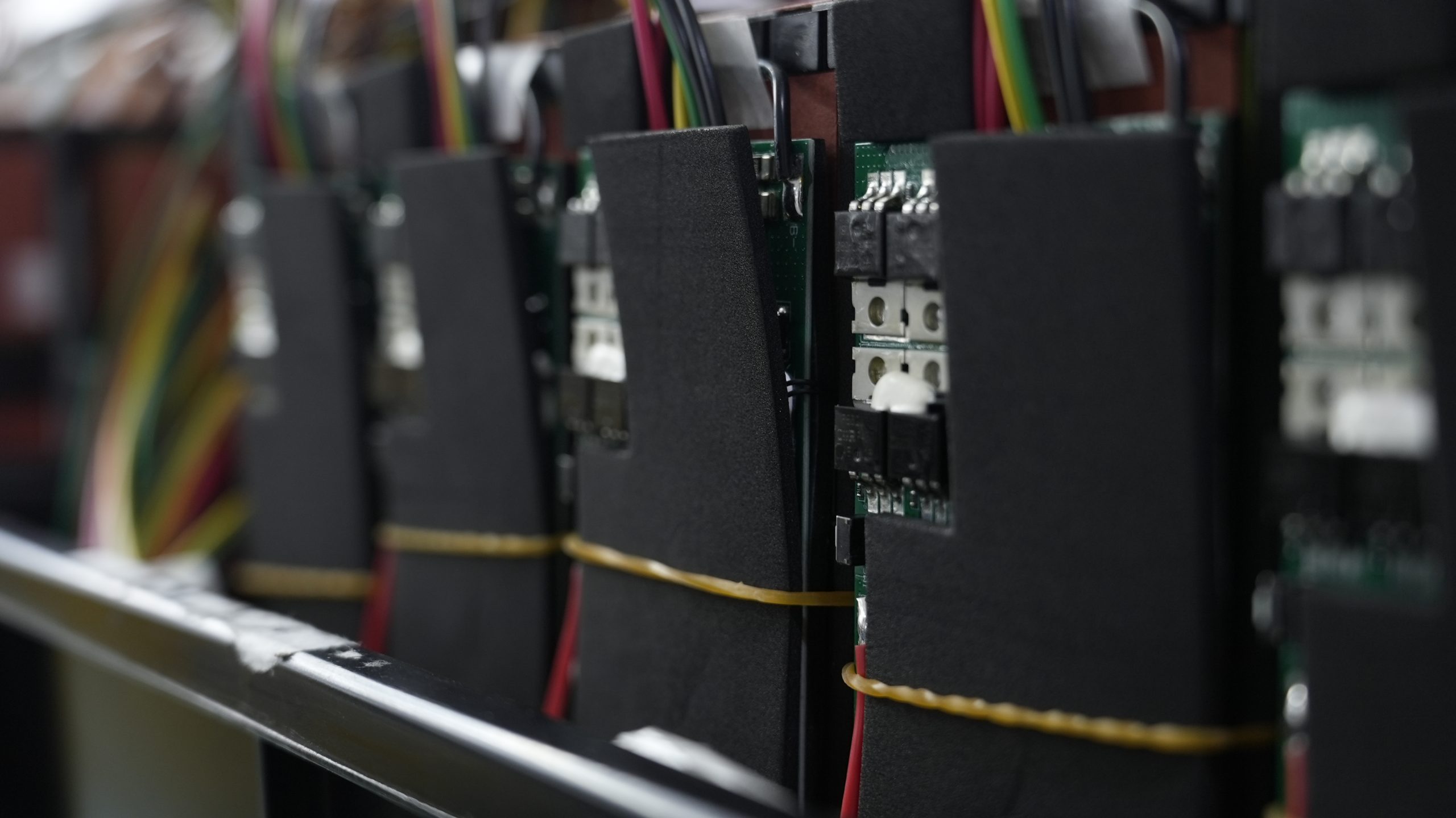
A successful custom security camera battery pack project follows a structured process. You need a partner who understands lithium battery technology and the demands of security, industrial, and infrastructure applications. Specialized OEM/ODM suppliers guide you from the first consultation to long-term support, ensuring your battery solution meets technical, safety, and market requirements.
5.1 Consultation and Assessment
You start with a thorough consultation. During this phase, you outline your security camera’s technical needs, operating environment, and performance goals. The supplier’s engineering team reviews your device specifications, including voltage, current, runtime, and physical constraints. You discuss the preferred lithium battery chemistry—such as NMC for high energy density or LiFePO4 for long cycle life—based on your application scenario.
You also address integration with battery management systems (BMS). A robust BMS ensures safe operation, monitors cell health, and protects against overcharge or deep discharge. Early assessment helps you avoid costly redesigns and ensures your battery pack aligns with your product roadmap.
Tip: Share as much detail as possible about your device’s power profile and environmental conditions. This information helps your supplier recommend the best lithium battery solution.
5.2 Design and Prototyping
After assessment, you move to the design and prototyping stage. Here, you collaborate with engineers to create a battery pack that fits your device’s form factor and electrical requirements. You select the optimal lithium chemistry—NMC for compact, high-performance cameras or LiFePO4 for outdoor, long-life installations.
Engineers design the protective casing, connectors, and tab configurations. They integrate advanced BMS features for real-time monitoring and fault protection. You receive 3D models and prototype samples for evaluation. This stage allows you to test fit, function, and compatibility with your security camera system.
Note: Prototyping reduces risk. You can identify integration issues early and refine the design before full-scale production.
5.3 Testing and Quality Assurance
You must verify that your custom battery pack meets strict quality and safety standards. Specialized suppliers use a multi-layered testing protocol to guarantee reliability in demanding security and industrial environments.
Testing Type | Description |
|---|---|
Environmental Testing | Includes tests for dust, mechanical shock, thermal shock, and water intrusion. |
Materials Testing | Focuses on identification, properties, and failure analysis of materials. |
Disconnect & Terminal Connectors | Tests crimp integrity, current cycling, and terminal strength. |
You also require compliance with international safety standards. Leading suppliers test to protocols such as:
UL 1642: Standard for Lithium Batteries
UL 2054: Standard for Household and Commercial Batteries
UL 1989: Standard for Valve Regulated or Vented Batteries
UL 4200A: Standard for Products Incorporating Button Batteries
UL 2271: Standard for Batteries for Light Electric Vehicle Applications
IEC/UL 62133-1: Safety Requirements for Nickel Systems
IEC/UL 62133-2: Safety Requirements for Lithium Systems
A comprehensive test sequence includes:
Safety Performance Testing to verify reliability in extreme conditions.
Overcharge/Over-discharge Testing to simulate failures in charging or discharging management.
External Short-Circuit Testing to assess safety under current surges.
Crush, Nail Penetration, and Impact Testing to evaluate structural integrity and puncture resistance.
You should request full test reports and certifications before approving mass production.
5.4 Production and Delivery
Once you approve the prototype, you move to production. Your supplier sources high-quality lithium cells, assembles the packs in certified facilities, and implements strict process controls. You benefit from automated assembly lines that ensure consistency and traceability.
You receive regular updates on production status and delivery timelines. The supplier manages logistics, packaging, and documentation for global shipping. You can schedule shipments to match your manufacturing or deployment plans, reducing inventory costs and lead times.
Tip: Choose suppliers with proven experience in security, medical, and industrial battery pack production. This ensures reliability and compliance with international standards.
5.5 Ongoing Support
Your relationship with the supplier continues after delivery. Leading OEM/ODM partners offer a range of support services to keep your security camera systems running smoothly.
Support Service | Description |
|---|---|
Technical Support | Engineers assist with setup and troubleshooting. |
Software Updates | Staff guide you on updating device software. |
Problem Resolution | Help with fixing connection or performance issues. |
Setup Guides | Step-by-step instructions for installation and integration. |
Remote Help | Assistance with firmware updates and diagnostics. |
Longevity Tips | Advice to extend the lifespan of your battery packs and cameras. |
Feedback Improvement | Experts review your feedback to enhance future products. |
Warranty Assistance | Quick help for warranty-related concerns. |
After-Sales Service | Ongoing support to ensure system uptime and reliability. |
You gain peace of mind knowing you have access to technical expertise, warranty support, and continuous improvement. This partnership helps you maintain high performance and reliability for your security camera solutions.
Note: Ongoing support from a specialized partner ensures your lithium battery packs deliver long-term value and operational excellence.
Part 6: Partnering for Success
6.1 Innovation and Technology Access
You gain a significant advantage when you partner with advanced battery technology providers. These partners introduce you to cutting-edge solutions that drive product innovation in the security sector. For example, NanoTritium™ batteries deliver continuous micro-power for decades. This technology ensures your security cameras remain operational in remote or high-risk locations. The stable decay mechanism of these batteries resists environmental changes, making them reliable in harsh conditions. The solid-state design prevents leakage and tampering, which enhances security and reduces maintenance needs.
NanoTritium™ batteries provide decades-long micro-power for security cameras.
Stable decay mechanisms ensure performance in extreme environments.
Solid-state construction increases safety and lowers maintenance.
You can leverage these innovations to create security camera systems that stand out in the market.
6.2 Quality and Compliance
You must prioritize quality and compliance when selecting a battery partner. Leading suppliers follow strict international standards, such as UL and IEC/UL 62133-2, for lithium battery packs. These standards ensure your products meet safety, reliability, and regulatory requirements. Consistent quality reduces the risk of recalls and protects your brand reputation. You also benefit from documented supply chains and ethical sourcing, which support your compliance with global regulations.
Tip: Always request certification documents and quality assurance reports from your battery supplier.
6.3 Cost and Supply Chain Benefits
Custom battery solutions can improve your cost structure and streamline your supply chain. The right partner helps you optimize battery configuration, accelerate development, and reduce logistics expenses. Consider the following table:
Aspect | Details |
|---|---|
Battery Configuration | 3S3P 21700 cell with integrated 12W polyimide heater for extreme conditions |
Development Approach | Accelerated development reduces time to market |
Manufacturing Strategy | Global network enables production near assembly sites, reducing shipping costs and lead times |
Supply Chain Management | Simplified due to consistent battery specifications across locations |
You can achieve faster product launches and lower operational costs by working with a supplier who understands your business needs.
6.4 Long-Term Collaboration
You build long-term value through strategic partnerships. A reliable battery partner supports your growth with ongoing technical expertise, continuous product improvement, and responsive after-sales service. This collaboration helps you adapt to new market demands and maintain high performance in your security camera systems. You gain access to the latest lithium battery chemistries, such as NMC and LiFePO4, which support applications in security, medical, and industrial sectors. Strong partnerships ensure your products remain competitive and future-ready.
Note: Long-term collaboration with a trusted supplier secures your supply chain and strengthens your position in the security industry.
You gain measurable advantages by adopting custom security camera battery packs through OEM or ODM solutions. These packs deliver flexibility in placement, enhanced battery life, and robust weather resistance, supporting 24/7 surveillance and seamless integration with smart systems. Advanced lithium technology boosts energy density, thermal management, and sustainability, positioning your Custom Security Camera products for market leadership. Consult with specialized providers to optimize your battery sourcing strategy and ensure your security solutions remain reliable, efficient, and future-ready.
FAQ
What lithium battery chemistry works best for security camera applications?
You should consider NMC or LiFePO₄ chemistries. NMC offers high energy density (180–220 Wh/kg) and long cycle life (800–1,500 cycles). LiFePO₄ provides stable voltage and over 2,000 cycles. Both excel in security, medical, and industrial environments.
How do custom battery packs improve security camera reliability?
Custom packs match your device’s power profile and environmental needs. You gain longer runtimes, better durability, and enhanced safety. This reduces maintenance and downtime, especially in demanding security or infrastructure deployments.
What certifications should you require for lithium battery packs?
You should look for UL, CE, and UN38.3 certifications. These standards ensure safety, quality, and compliance for global markets. Always request documentation from your supplier to verify compliance.
Can you integrate battery management systems (BMS) into custom packs?
Yes. You can request advanced BMS integration. This technology monitors cell health, prevents overcharge or deep discharge, and extends battery life. BMS is essential for security, medical, and industrial applications.
How do environmental factors affect lithium battery performance?
Extreme temperatures and moisture can reduce capacity and shorten service life. You should specify protective casings and select chemistries like LiFePO₄ for outdoor or harsh environments. Proper storage and operation conditions help maintain performance.


