

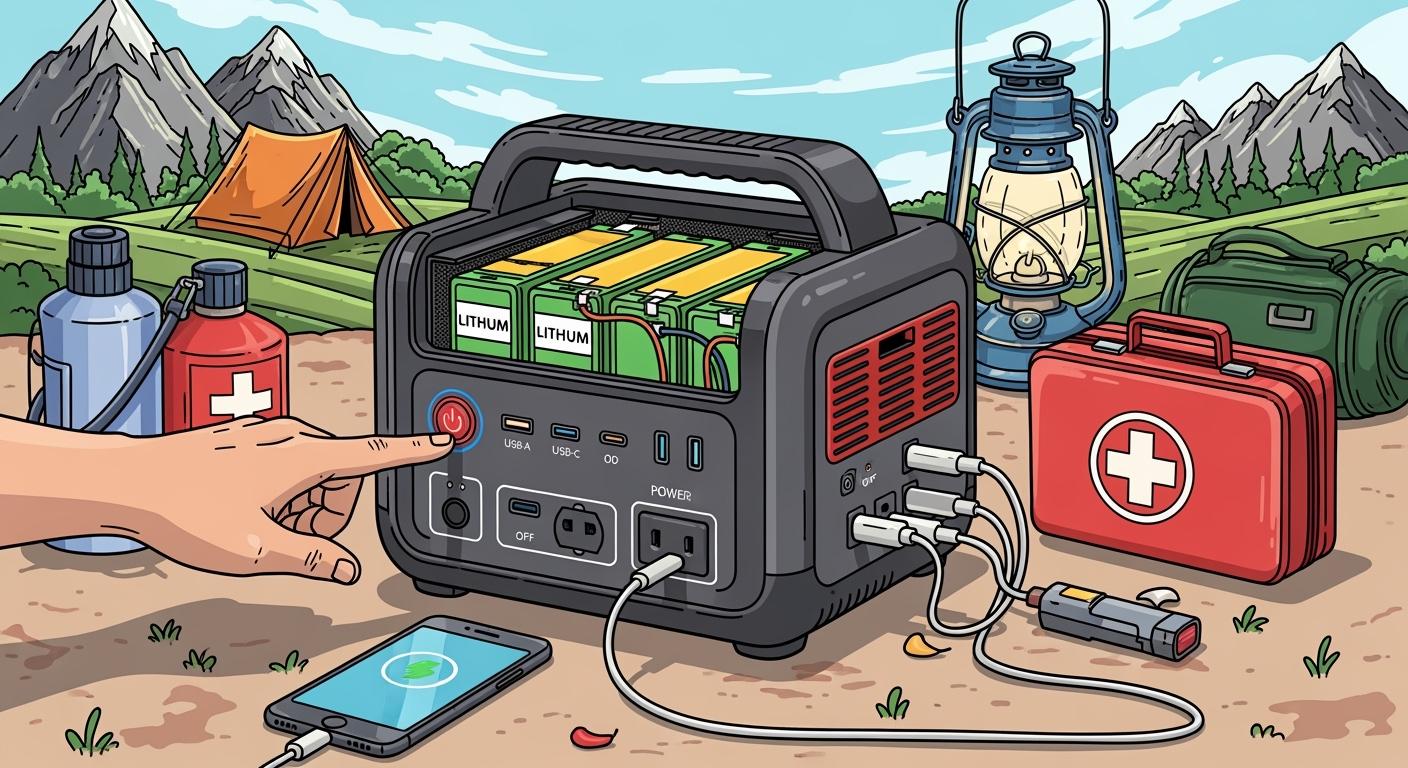
Quick Answer: Portable power station batteries must balance energy capacity, output power, safety, cycle life, charging speed, weight, and environmental durability. LiFePO4 is commonly selected when thermal stability and long service life are priorities, while NMC may be considered when higher energy density and lower weight are required. Reliable operation also depends on a properly designed BMS, inverter, charger, thermal system, enclosure, and communication architecture.
Portable power stations provide temporary or off-grid electricity for emergency response, field maintenance, communications, security equipment, mobile workstations, and outdoor operations. Compared with fuel generators, they can offer quiet operation, no exhaust emissions at the point of use, and flexible charging from AC, vehicles, or compatible solar systems.
The battery pack is the foundation of the system, but cell chemistry alone does not determine reliability. Engineers must also evaluate continuous and peak power, inverter efficiency, charging input, temperature range, enclosure protection, transport requirements, and the expected load profile.
A properly engineered custom lithium battery solution can integrate suitable cells, electrical protection, thermal monitoring, mechanical reinforcement, and communication functions for professional outdoor and emergency applications.
Key Takeaways
-
Choose LiFePO4 batteries when safety, thermal stability, and long cycle life are the main priorities.
-
Consider NMC lithium-ion batteries when portable equipment requires higher energy density and lower pack weight.
-
Size the battery from usable watt-hours, inverter losses, peak loads, operating temperature, and required backup duration.
-
Use an advanced Battery Management System to monitor cell voltage, current, temperature, state of charge, and fault conditions.
-
Match the inverter’s continuous and surge ratings to motors, pumps, communication equipment, medical devices, and other connected loads.
-
Validate AC, vehicle, and solar charging inputs separately; solar charging requires a compatible MPPT controller and suitable panel voltage.
-
Test the complete system for thermal performance, vibration, ingress exposure, transport safety, and real operating conditions.
Part1: Why Choose Lithium for Portable Power Station
1.1 High Reliability and Safety
You need a battery that performs reliably in tough conditions. Lithium batteries, including LiFePO4, NMC, LCO, and LMO chemistries, deliver consistent power for your Portable Power Station. You can trust these batteries to work on construction sites, remote telecom towers, or during disaster response. Rugged internal architecture helps lithium batteries withstand vibration and shocks. You get stable performance even when the environment changes.
Lithium batteries use advanced Vertical Heat Conduction (VHC™) technology. This feature dissipates heat quickly, so your battery stays cool and lasts longer. You avoid performance drops during high-discharge cycles.
Safety matters most in professional applications. You benefit from multiple protection mechanisms built into lithium battery packs. These systems prevent overcharge, overdischarge, overcurrent, and overheating. Intelligent management systems monitor battery status in real time. Cooling devices activate automatically to prevent thermal runaway. Lipower and other industry leaders use advanced Battery Management Systems (BMS) to track temperature, voltage, and current. These systems reduce risks like battery fires and overcharging.
|
Safety Feature |
Description |
|---|---|
|
Multiple Protection Mechanisms |
Includes overcharge, overdischarge, overcurrent, and temperature protection to prevent battery abnormalities. |
|
Intelligent Management System |
Monitors battery status in real-time, activating cooling devices to prevent overheating and thermal runaway. |
|
Technological Innovations |
New materials and technologies are being explored to enhance safety and reliability in lithium batteries. |
You see new materials and technologies improving safety every year. Manufacturers invest in innovations to make lithium batteries safer and more reliable for Portable Power Station use.
1.2 Energy Density and Longevity
You want a battery that stores more energy in less space. Lithium batteries offer high energy density, so you get more power without extra weight. LiFePO4 and NMC chemistries provide excellent energy storage for Portable Power Station applications. You can carry these batteries easily and deploy them quickly in the field.
Lithium batteries last longer than traditional lead-acid or nickel-cadmium options. You get thousands of charge-discharge cycles before performance drops. This longevity means you spend less on replacements and maintenance. You can rely on lithium batteries for mission-critical operations, knowing they will deliver power when you need it.
You save time and resources by choosing lithium batteries. Their long lifespan and stable performance reduce downtime and increase productivity.
You see lithium batteries used in Portable Power Station systems for outdoor operations, emergency backup, and industrial fieldwork. High energy density and long cycle life make them ideal for demanding applications. You can trust lithium battery packs to keep your equipment running, even in remote or harsh environments.
Part2: How Portable Power Station Batteries Work
2.1 Lithium-Ion Battery Technology
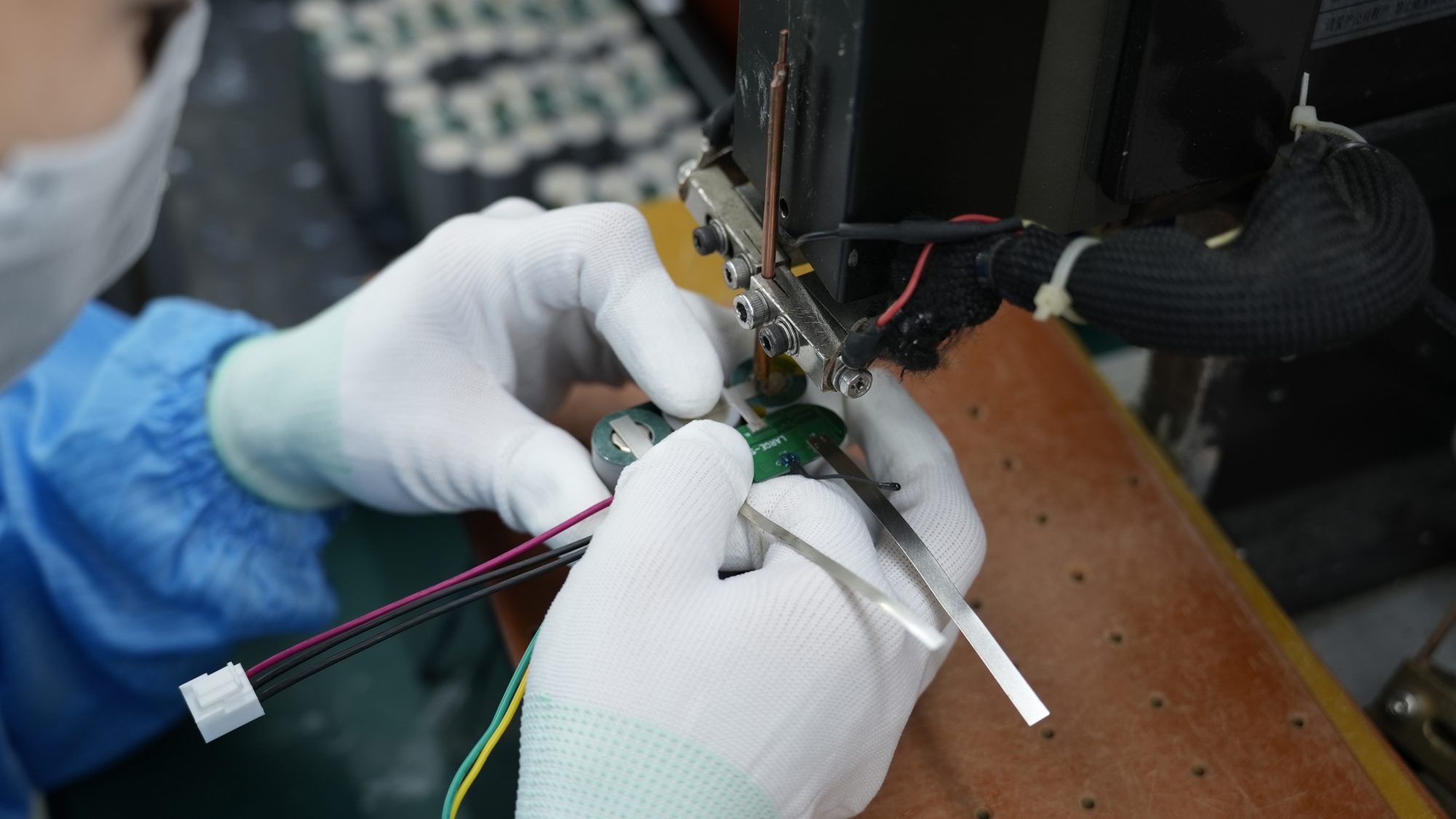
You rely on lithium-ion battery technology for efficient energy storage and delivery. These batteries store energy and convert it into usable AC power through inverters. You can charge them during optimal periods and use the stored energy when needed, such as during emergencies or low sunlight. Lithium-ion batteries help you reduce reliance on fossil fuels and lower your carbon footprint. Advancements in battery technology increase capacity and improve efficiency, making Portable Power Station systems more appealing for professional use.
|
Component |
Description |
|---|---|
|
Power Station Casing |
Durable, waterproof, and dustproof materials protect internal components. |
|
Battery Technology |
Uses lithium-ion and polymer lithium batteries for efficient energy storage. |
|
Circuit Board |
Manages power input/output and oversees charging/discharging. |
|
Input Interfaces |
Connects chargers using Micro USB and USB-C. |
|
Output Interfaces |
Connects charging devices with USB-A, USB-C, and Type-C options. |
|
LED Indicators |
Displays battery capacity and charging status. |
|
Function Buttons |
Lets you power the device on/off and check battery capacity. |
|
Additional Accessories |
Handles and lanyards enhance portability. |
2.2 Charging and Output Flexibility
You benefit from multiple charging methods that suit different environments. Solar charging uses MPPT technology to maximize power from solar panels and reduce charge times. AC wall outlet charging provides fast recharging, so you can quickly prepare for the next deployment. Car charging lets you top up the battery while traveling. Pass-through charging allows you to power devices while recharging the station. UPS functionality automatically switches to battery power during grid failures, protecting sensitive equipment.
|
Charging Method |
Description |
Impact on Speed and Efficiency |
|---|---|---|
|
Solar Charging |
Uses MPPT technology for solar panels. |
Reduces charge times significantly. |
|
AC Wall Outlet Charging |
Fast recharging from standard outlets. |
Quick return to full charge. |
|
Car Charging |
Charges from a 12V port while driving. |
Keeps battery topped up during travel. |
|
Pass-Through Charging |
Powers devices while recharging. |
Increases usability during operation. |
|
UPS Functionality |
Switches to battery during grid failures. |
Prevents unexpected shutdowns. |
2.3 Device Compatibility
You can connect a wide range of devices to a Portable Power Station. These stations offer multiple output options, so you can power tools, communication equipment, and sensitive electronics at the same time. You get AC outputs for standard devices, DC car outputs for automotive equipment, and USB ports for mobile devices. Type-C PD outputs support fast charging for laptops and other high-demand devices.
|
Output Type |
Description |
|---|---|
|
AC Outputs |
2 AC outputs to power two devices simultaneously |
|
DC Car Output |
1 DC Car output port |
|
DC Circular Outputs |
2 DC (5521) output circular ports |
|
Standard USB Outputs |
2 Standard USB 5V DC outputs |
|
Type-C PD Outputs |
1 Type-C PD DC 20W output, 1 Type-C PD DC 100W output |
Tip: Always check the output specifications to ensure compatibility with your equipment. This helps you avoid overloads and ensures safe operation in the field.
Part3: Lithium vs. Other Battery Types
3.1 Performance Comparison
You need to understand how lithium batteries perform compared to lead-acid and nickel-metal hydride batteries. Lithium batteries deliver higher energy density and longer cycle life. You get more power in a smaller package, which is essential for Portable Power Station applications.
|
Battery Type |
Energy Density |
Cycle Life (Cycles) |
Efficiency (%) |
Self-Discharge Rate |
|---|---|---|---|---|
|
Lithium-ion |
High |
>3000 |
>90 |
Low |
|
Lead-acid |
Low |
<1000 |
~70 |
Moderate |
|
Nickel-metal hydride |
Moderate |
500-1200 |
Moderate |
High |
-
Lithium batteries can exceed 90% efficiency.
-
Cycle life often exceeds 3000 cycles.
-
Lead-acid batteries typically achieve efficiencies around 70%.
-
Nickel-metal hydride batteries have a shorter cycle life and higher self-discharge rates.
You gain reliable performance and longer operational periods with lithium battery packs. This advantage helps you reduce maintenance and replacement costs.
3.2 Safety and Weight
Safety and weight are critical factors in professional environments. Lithium Iron Phosphate (LiFePO4) batteries offer high thermal stability and enhanced safety. Standard lithium-ion batteries are lighter but more prone to overheating.
|
Chemistry |
Cycle Life |
Safety |
Weight |
|---|---|---|---|
|
LiFePO4 |
3,500+ Cycles |
High thermal stability |
Slightly heavier |
|
Standard Lithium-ion |
500–800 Cycles |
Prone to overheating |
Lighter |
You choose LiFePO4 for applications where safety matters most. You select standard lithium-ion when weight is a priority. LiFePO4 batteries provide peace of mind during storage and use.
3.3 Cost and Lifecycle
You consider both initial cost and long-term value. Lithium-ion batteries have a higher upfront price, but their longer lifespan and greater efficiency make them cost-effective over time. You benefit from a lifecycle that often exceeds 3000 cycles. Lead-acid batteries offer lower initial cost but require frequent replacements due to shorter cycle life and lower efficiency.
You maximize your investment by choosing lithium battery packs for your Portable Power Station. Their durability and performance reduce total ownership costs.
Part4: Portable Power Station Applications
4.1 Outdoor Operations
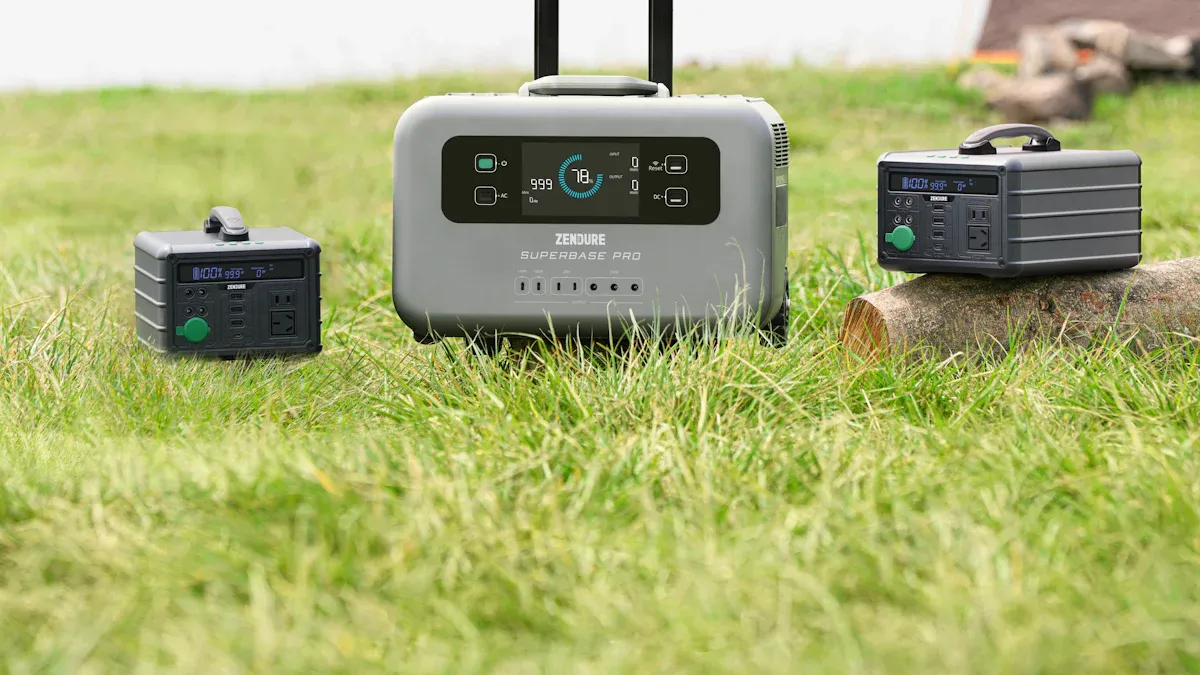
You depend on Portable Power Station batteries for many outdoor operations. Lithium battery packs power equipment in fieldwork, infrastructure maintenance, and robotics deployments. Construction teams use these stations to run electric tools and lighting. Security system installers rely on lithium batteries for surveillance devices in remote locations. Transportation crews keep communication devices and sensors active during rail or road maintenance. You can see how lithium chemistries like LiFePO4 and NMC deliver stable energy in harsh environments.
|
Application |
Description |
|---|---|
|
Camping |
Provides power for lights, cooking devices, and gadgets. |
|
Outdoor Work |
Supports high-powered tools light tower and electric equipment for construction teams. |
|
Emergency Preparedness |
Useful for backup power during emergencies, ensuring essential devices remain operational. |
Tip: You can deploy Portable Power Station batteries quickly, making them ideal for time-sensitive outdoor projects.
4.2 Emergency Backup
You need reliable backup power in critical situations. Portable Power Station batteries support medical equipment, robotics, and industrial systems during outages. Hospitals and clinics use lithium battery packs to keep ventilators and monitors running. Security companies depend on these stations for alarm systems and access controls. You can power large appliances, well pumps, and essential electronics during storms or disasters. Portable Power Station batteries help you maintain safety and productivity when the grid fails.
-
You can keep refrigerators and medical devices operational.
-
You support critical resources like well pumps and communication systems.
-
You ensure emergency preparedness for industrial and infrastructure sites.
In emergencies, Portable Power Station batteries provide peace of mind and protect vital operations.
4.3 Sustainable and Eco-Friendly Solutions
You want to reduce your environmental impact. Lithium battery packs offer zero emissions and silent operation. You can pair Portable Power Station batteries with solar panels for an eco-friendly energy setup. This approach lowers carbon emissions and supports energy independence. You avoid noise pollution and minimize waste compared to traditional generators.
|
Aspect |
Lithium Portable Power Stations |
Traditional Fossil Fuel Generators |
|---|---|---|
|
Emissions |
Zero emissions |
Significant emissions |
|
Noise Pollution |
Virtually silent |
Noisy (70-90 dB) |
|
Compatibility with Renewables |
Yes |
No |
|
Maintenance Requirements |
Low |
High |
|
Waste Generation |
Minimal |
Significant |
-
You benefit from zero emissions during operation.
-
You preserve natural environments with reduced noise.
-
You lower maintenance needs and waste generation.
Leading brands like EcoFlow River 2 Pro and Goal Zero deliver high-reliability lithium Portable Power Station solutions for professional use.
Part5: Maximizing Battery Performance
5.1 Best Practices for Use
You maximize the performance of lithium battery packs by following proven best practices. Choose high-capacity batteries to power multiple devices during field operations. Select Portable Power Station units with advanced battery management systems for enhanced safety. Look for a variety of output options, such as AC, USB-A, USB-C, and DC ports, to support different equipment. Fast charging capabilities help you reduce downtime and keep projects moving. Compact designs make deployment easier in remote locations.
LiFePO4 technology stands out for its long lifespan and chemical stability. You benefit from over 3,500 charge cycles, compared to 500–800 cycles for standard lithium batteries. LiFePO4 batteries offer safer storage in vehicles and facilities due to their stable chemistry.
Tip: Prioritize lithium battery chemistries like LiFePO4 for demanding environments. You gain reliability and safety for mission-critical operations.
5.2 Maintenance and Storage
Proper maintenance and storage extend the life of your lithium battery packs. Keep batteries clean and dry to prevent corrosion. Store them in cool, ventilated areas away from direct sunlight. Avoid extreme temperatures, which can reduce battery efficiency and lifespan. Charge batteries to around 50% before long-term storage. Inspect battery terminals regularly for signs of wear or damage.
|
Maintenance Task |
Benefit |
|---|---|
|
Clean terminals |
Prevents corrosion |
|
Store in cool place |
Maintains efficiency |
|
Avoid heat exposure |
Reduces risk of degradation |
|
Partial charge |
Preserves battery health |
You protect your investment by following these simple steps.
5.3 Monitoring and Management
Advanced battery management systems (BMS) play a key role in maximizing reliability. You monitor voltage, current, and temperature in real time using smart technology. This helps you optimize energy consumption and prevent issues before they arise. LiFePO4 chemistry further improves reliability and extends battery life cycles.
Smart monitoring tools give you control over battery performance. You make informed decisions and ensure uninterrupted power supply.
Part6: Selecting the Right Portable Power Station
6.1 Key Criteria for B2B
You need to evaluate several criteria when choosing a Portable Power Station for professional use. Build quality matters most. Look for robust casings that protect the Battery Management System and cells from harsh weather. Input and output connectivity options help you connect a wide range of devices. Pure Sine Wave inverters ensure safe operation for sensitive electronics. USB-C Power Delivery ports support fast charging for modern tools. Expandability lets you add external batteries or increase storage as your needs grow. LiFePO4 chemistry offers better lifespan and safety than standard lithium-ion batteries.
|
Criteria |
Description |
|---|---|
|
Build Quality and Weather Resistance |
Durable casing protects BMS and cells from outdoor conditions. |
|
Input and Output Connectivity Options |
Multiple ports ensure compatibility and efficient energy access. |
|
Number and Types of AC and DC Outlets |
Pure Sine Wave inverter supports sensitive electronics. |
|
USB-C PD and Fast Charging Ports |
High-speed USB-C PD ports meet modern charging demands. |
|
Expandability and External Battery Support |
Allows daisy-chaining or increased internal storage. |
|
Battery Chemistry: LiFePO4 vs. Lithium-ion |
LiFePO4 provides longer lifespan and enhanced safety. |
|
Pure Sine Wave Inverters vs. Modified Sine Wave |
Pure Sine Wave delivers clean electricity for critical devices. |
Tip: Always check for Pure Sine Wave inverters and LiFePO4 chemistry to maximize reliability and safety.
6.2 Sizing and Capacity
You must size your Portable Power Station based on your operational needs. Start by listing all devices you plan to power and their wattage. Consider surge wattage for equipment with higher start-up demands. Calculate runtime using the station’s capacity to ensure it meets your requirements. Match or exceed the total output wattage of your devices. Portability and features also play a role in your selection. LiFePO4 batteries last over 3,000 cycles, making them ideal for long-term professional use.
-
Assess the wattage of devices.
-
Consider surge wattage.
-
Calculate runtime.
-
Match or exceed output wattage.
-
Consider portability and features.
Note: LiFePO4 batteries provide durability and safety for demanding applications.
6.3 Certifications and Support
You need to verify certifications for industrial and emergency use. UL 1973 ensures safety and reliability in high-demand environments. UL 1642 is recognized for safety compliance in commercial job sites and telecommunications. Manufacturers offer technical support, product manuals, warranty and returns, and battery recycling services.
-
UL 1973
-
UL 1642
-
Technical Support
-
Product Manuals
-
Warranty & Returns
-
Battery Recycling
Callout: Certifications and strong support services give you confidence in your investment and help maintain operational continuity.
You gain reliable, safe, and sustainable energy with lithium battery packs for your Portable Power Station. These batteries offer silent operation, maintenance-free use, and versatile outputs. You benefit from long-life energy systems and advanced safety standards. Review certifications like UL, CE, and IEC before making a purchase. Consult technical experts to ensure the best fit for your needs. High-quality lithium solutions provide peace of mind and long-term value in professional and emergency scenarios.
|
Benefit |
Description |
|---|---|
|
Reliability |
|
|
Safety |
Multiple protection mechanisms |
|
Sustainability |
Eco-friendly energy and long lifespan |
FAQ
What makes LiFePO4 batteries suitable for portable power stations?
LiFePO4 cells provide strong thermal stability, predictable discharge behavior, and long cycle life. Depending on cell quality, depth of discharge, temperature, charge rate, and end-of-life criteria, a properly managed pack may provide approximately 2,000–5,000 or more cycles. Actual performance must be verified against the selected cell specification and system design.
When should you choose NMC instead of LiFePO4?
NMC may be preferable when weight and volume are tightly constrained because it generally provides higher energy density. LiFePO4 is often favored when cycle life and thermal stability are more important. The final decision should also consider discharge power, operating temperature, charging time, cost, and certification requirements.
How does a BMS improve portable power station safety?
A BMS monitors cell voltage, pack current, temperature, and cell balance. It can disconnect charging or discharging when it detects overvoltage, undervoltage, overcurrent, short-circuit, or unsafe temperature conditions. More advanced systems can also estimate state of charge, record faults, and communicate with the inverter and charger.
Can portable power station batteries be charged with solar panels?
Yes, when the complete power station includes a compatible solar input and MPPT charge controller. The panel array’s open-circuit voltage, operating voltage, current, and maximum power must remain within the power station’s specified input range. The battery pack should not be connected directly to an unregulated solar panel.
Can a portable power station safely operate sensitive electronics?
The complete system can power sensitive electronics when its inverter provides the correct voltage, frequency, waveform quality, grounding arrangement, and protection. A pure sine wave inverter is generally preferred for medical equipment, communication devices, instruments, and loads with sensitive power supplies. Compatibility must be confirmed from the equipment and power station specifications.
What information is needed to customize a portable power station battery?
The battery manufacturer needs the required energy capacity, continuous and peak power, system voltage, charging inputs, target runtime, dimensions, weight limit, operating temperature, enclosure rating, communication protocol, and applicable certifications. Large Power can develop solutions for industrial equipment, infrastructure applications, and security systems.


