

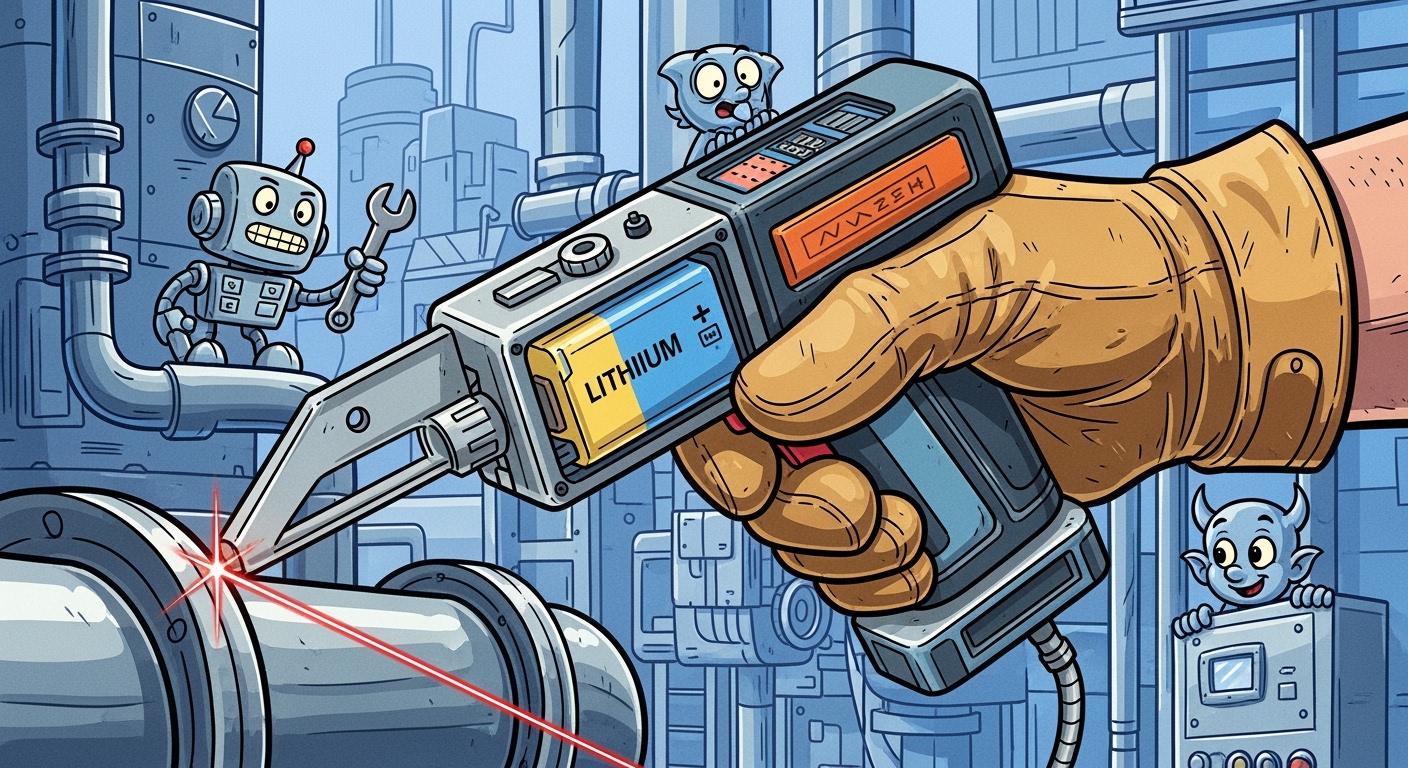
Lithium Battery Packs give you the most reliable power for handheld laser alignment tools during industrial installation and maintenance. You get longer runtime, greater durability, and broad compatibility with many tool models. Custom battery solutions make it easy for you to replace packs and keep machines running.
Higher energy density lets your tools operate longer on a single charge.
Thousands of charge-discharge cycles mean packs last up to 4–6 times longer than lead-acid batteries.
Fewer replacements and less maintenance reduce downtime and boost productivity.
Key Takeaways
Lithium battery packs provide reliable power for laser tools, even in tough industrial conditions.
They offer longer runtime and last up to 6 times longer than lead-acid batteries.
Lightweight and compact design makes them easy to carry and use in tight spaces.
Fast charging and low self-discharge keep tools ready for use anytime.
Durable in extreme temperatures and vibrations, reducing downtime and maintenance.
Part 1: Power Needs in Industrial Laser Alignment
1.1 Industrial Environment Demands
You face tough conditions when you use handheld laser alignment tools in industrial settings. These environments often expose your equipment to extreme temperatures, dust, and constant vibration. Each of these factors can affect battery performance and tool reliability.
High temperatures speed up chemical reactions inside batteries. This can cause batteries to age faster and lose capacity.
Low temperatures slow down battery reactions. Your tools may not work as efficiently in cold environments.
Vibration can damage the internal structure of batteries. This leads to higher resistance and faster capacity loss.
Dust and debris can enter battery compartments. This may cause short circuits or other failures.
Tip: A temperature increase of just 15°F can cut battery life in half, especially in hot industrial sites.
You need batteries that can handle these challenges. Lithium battery packs, especially those using LiFePO4 or NMC chemistries, offer better stability and longer life under harsh conditions compared to older technologies.
1.2 Portable and Reliable Energy
You rely on portable energy sources to keep your laser alignment tools running during fieldwork. In remote or large facilities, you cannot always access wall outlets or backup generators. You need a power solution that is both lightweight and dependable.
Field teams in remote locations have switched from fuel-based generators to advanced portable battery stations. These setups power critical equipment for weeks without refueling.
One research group in Northern Australia used portable stations with solar panels and fast-charging docks. They reduced fuel use by 80% and kept their equipment running for 21 days during a cyclone monitoring project.
Lithium battery packs give you the same kind of reliability. You can carry them easily, swap them quickly, and trust them to deliver steady power. This means less downtime and more accurate alignment work, even in challenging environments.
Part 2: Lithium Battery Packs Advantages
2.1 Extended Runtime & High Energy Density
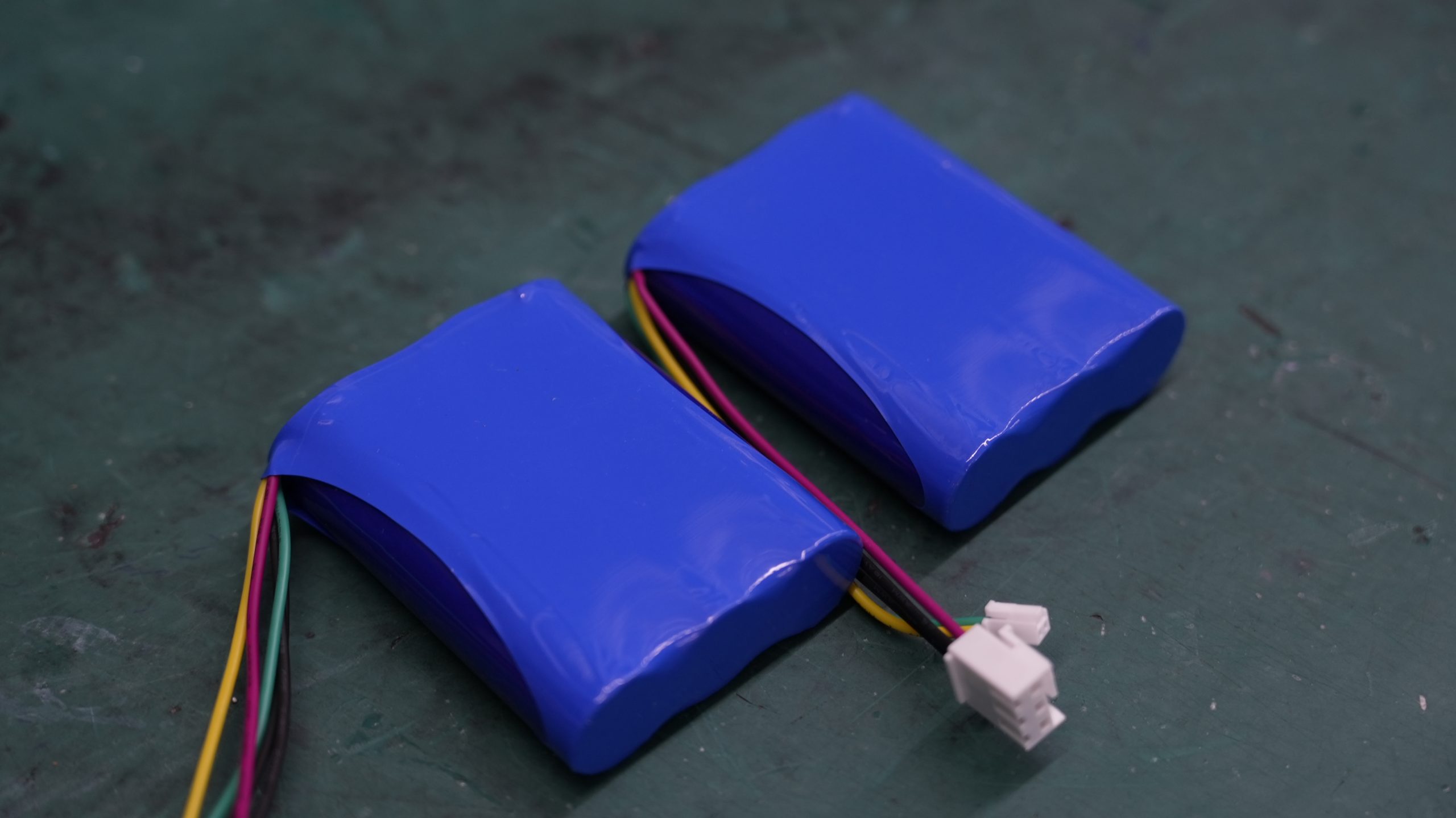
You need power solutions that deliver extended runtime for your handheld laser alignment tools. Lithium Battery Packs provide higher energy density than older battery chemistries, which means your tools operate longer between charges. This advantage is critical for industrial installation and maintenance where you must minimize interruptions.
The following table compares the specific energy density of common battery types used in handheld tools:
Battery Type | Specific Energy Density (Wh/kg) |
|---|---|
Nickel-Cadmium (NiCd) | 45-80 |
Nickel-Metal Hydride (NiMH) | 60-120 |
Lithium-Ion (Li-ion) | 150-190 |
Lithium-ion batteries outperform nickel-cadmium and nickel-metal hydride batteries in energy density. You benefit from longer operation times and fewer battery swaps during critical tasks.
You can also select custom Lithium Battery Packs engineered for longer runtime and superior durability. Many industrial users choose packs compatible with OEM part numbers, such as BP-LS3900SL for Klein Tools, to ensure seamless replacement and consistent performance.
2.2 Lightweight & Compact
You often work in tight spaces or need to carry equipment across large facilities. Lithium Battery Packs offer a lightweight and compact design, making your tools easier to handle and transport. Higher energy density allows manufacturers to reduce battery size without sacrificing power output.
The table below shows a comparison of lithium battery chemistries, highlighting voltage, energy density, cycle life, and application scenarios:
Chemistry | Nominal Voltage (V) | Energy Density (Wh/kg) | Cycle Life (cycles) | Application Scenarios |
|---|---|---|---|---|
LiFePO4 | 3.2 | 90-120 | 2000-5000 | Medical, Robotics, Industrial |
NMC | 3.6-3.7 | 150-220 | 1000-2000 | Consumer Electronics, Security Systems, Infrastructure |
LCO | 3.7 | 150-200 | 500-1000 | Consumer Electronics |
LMO | 3.7 | 100-150 | 300-700 | Power Tools, Industrial |
Solid-State | 3.7-4.2 | 250-400 | 2000+ | Medical, Robotics, Security Systems |
Lithium Metal | 3.6-3.7 | 300-500 | 1000+ | Infrastructure, Industrial |
You can select the chemistry that best fits your operational needs. For example, LiFePO4 batteries offer long cycle life and stable performance in industrial environments. NMC batteries provide high energy density for compact tools used in security systems and infrastructure monitoring.
2.3 Fast Charging & Low Self-Discharge
You need batteries that recharge quickly and retain their charge during storage. Lithium Battery Packs excel in both areas. Fast charging reduces downtime, allowing you to return to work sooner. Low self-discharge ensures your batteries remain ready for use, even after extended periods in storage.
Lithium batteries, especially Li-SOCl2, offer long shelf life and low self-discharge rates.
Primary lithium batteries are ideal for low-drain or intermittent applications because they lose very little charge over time.
Rechargeable Li-ion batteries are preferred when you need frequent cycling and rapid recharging.
You can rely on Lithium Battery Packs to maintain power for your tools, whether you use them daily or only during scheduled maintenance.
2.4 Durability in Tough Conditions
You operate in environments that challenge battery durability. Lithium Battery Packs are engineered to withstand extreme temperatures, vibration, and heavy loads. These features ensure consistent performance and reduce the risk of equipment failure.
Infrastructure monitoring projects in the USA required batteries with a service life of 15 years, operating from -40°C to +85°C.
Testing included temperature cycling, pulse load, vibration, and shock. Results showed a predicted field life of 14.8 years, annual self-discharge below 0.6%, and zero failures in an 18-month pilot deployment.
Battery Management Systems (BMS) monitor voltage and temperature, preventing overcharging and equipment failure.
Safety features such as cell balancing and built-in thermal protection ensure reliable operation under extreme industrial loads.
You can trust Lithium Battery Packs to deliver consistent power and reduce downtime. Compatibility with OEM part numbers and custom solutions allows you to replace batteries easily and maintain productivity.
Part 3: Performance Impact in Industrial Use

3.1 Consistent Laser Output
You depend on your laser alignment tools to deliver precise and stable output. Lithium Battery Packs support this need by providing steady voltage and current throughout each use. This consistency comes from advanced manufacturing methods, such as high-precision laser welding. Laser welding creates strong, uniform joints with minimal heat damage, which helps maintain reliable battery performance. Experts note that these methods improve battery safety and uniformity, so your tools operate with consistent laser output. Unlike older battery types, lithium-based packs do not suffer from voltage drops that can cause weak or fluctuating laser beams.
3.2 Less Downtime & Maintenance
You want to avoid unplanned stops and frequent repairs. Lithium Battery Packs help you achieve this by reducing wear and tear on your equipment. Their stable power output minimizes vibration and friction, which can damage sensitive parts. You also benefit from precise alignment, which lowers maintenance costs and extends the life of your machinery. With fewer battery changes and less risk of failure, you avoid costly downtime. Your team can focus on installation and maintenance tasks instead of troubleshooting power issues.
Reduces downtime by saving wear and tear on parts caused by high vibration and friction.
Precise alignment can reduce maintenance expenses.
Improves machinery performance.
Increases the lifespan of equipment.
Avoids costly unplanned downtime due to machine failure.
3.3 Productivity & Safety
You need reliable power to keep your operations efficient and safe. Lithium Battery Packs deliver energy efficiently, which reduces overall energy consumption and operating costs. Their long lifespan and low maintenance requirements make them a cost-effective choice for industrial users. You get stable, consistent power, so your tools perform at their best all day.
“Adding lithium-ion batteries to the right operation isn’t just about getting back time and manpower you used to spend on battery swaps or waiting for them to equalize. Because lithium batteries maintain a higher voltage, your trucks can run at peak performance all day long, which means better acceleration and faster lift speeds. This consistent power helps you move more product every hour.” — Scott Schloss, RSC Energy Solutions Guru & Director, National Accounts
You also improve safety with advanced battery management systems (BMS). These systems monitor voltage, temperature, and current to prevent overheating and other risks. Manufacturers use high-quality materials and strict quality control to reduce fire risks and ensure long-term safety. Choosing the right lithium chemistry, such as LiFePO4, further enhances stability in demanding industrial environments.
Part 4: Choosing & Maintaining Lithium Battery Packs
4.1 Capacity & Voltage
You need to select the right capacity and voltage for your handheld laser alignment tools. The configuration you choose affects both performance and battery lifespan. Here are common options for industrial tools:
3S1P (3 cells in series): Delivers about 11.1V, suitable for low-power laser engravers.
4S1P (4 cells in series): Provides around 14.8V, ideal for medium-power engravers.
3S2P or 4S2P: Adds parallel cells for longer runtime while keeping voltage stable.
Selecting the correct voltage ensures your tool operates safely and efficiently. If you charge to 4.20V per cell, you maximize capacity. Lowering the charge voltage by 0.10V per cell can double cycle life but reduces usable capacity by about 10%. You must balance runtime needs with battery longevity.
Configuration | Voltage (V) | Application Scenario |
|---|---|---|
3S1P | 11.1 | Low-power laser engravers |
4S1P | 14.8 | Medium-power engravers |
3S2P/4S2P | 11.1/14.8 | Extended runtime applications |
4.2 Tool Compatibility
You should always match your battery pack to the tool’s specifications. Check the manufacturer’s guidelines and part numbers. Many industrial users choose packs compatible with OEM references, such as BP-LS3900SL for Klein Tools. Custom solutions are available if your application requires unique voltage or capacity. This approach ensures seamless integration and reliable performance.
4.3 Safety & Certifications
You must prioritize safety when selecting Lithium Battery Packs. Look for UL certification, especially UL 2271, which covers electrical, mechanical, and environmental safety. Certified packs undergo rigorous testing and regular inspections. For second-life or repurposed batteries, ensure they meet all new safety standards for handling, storage, and operation. These steps help prevent risks like fire or leakage.
4.4 Charging & Storage
Proper charging and storage extend battery life and maintain safety. Store batteries in a cool, dry place away from sunlight and heat. The ideal storage temperature is about 15°C (59°F), with humidity below 50%. Keep batteries at around 40% state of charge during storage. Avoid overcharging, as it can cause overheating and fire hazards. Use climate-controlled storage and fire suppression systems for added safety.
Tip: Good ventilation and humidity control help prevent rust and short-circuiting.
4.5 Replacement Timing
You should monitor battery performance and replace packs when you notice reduced runtime or slower charging. Industrial environments can accelerate wear, so regular checks are important. Always use compatible replacement batteries to maintain tool safety and efficiency.
You can trust lithium battery packs for handheld laser alignment tools in industrial settings. These packs deliver predictable voltage, low self-discharge, and controlled pulse support, which ensures stable performance. You benefit from maintenance-free operation, fast charging, and durability in harsh environments. To maximize uptime and productivity:
Start each day with battery checks and backup plans.
Schedule weekly maintenance for deeper inspections.
Choose packs with a quality Battery Management System (BMS) and match voltage and capacity to your tool.
Stay updated on new technologies to keep your operations efficient.
FAQ
What lithium battery chemistry should you choose for handheld laser alignment tools?
Chemistry | Energy Density (Wh/kg) | Cycle Life (cycles) | Best Use Case |
|---|---|---|---|
LiFePO4 | 90–120 | 2000–5000 | Industrial, Robotics |
NMC | 150–220 | 1000–2000 | Security, Infrastructure |
LCO | 150–200 | 500–1000 | Consumer Electronics |
LMO | 100–150 | 300–700 | Power Tools, Industrial |
You should select LiFePO4 for long life and stability in harsh environments. NMC works well for compact tools.
How do you ensure compatibility when replacing lithium battery packs?
You must match voltage, capacity, and connector type to your tool’s specifications. Always reference OEM part numbers to guarantee seamless integration and reliable performance.
What safety certifications should you look for in lithium battery packs?
You should require UL 2054 certification for industrial lithium battery packs. This standard covers electrical, mechanical, and environmental safety. Certified packs undergo strict testing to reduce risks in demanding industrial settings.
How often should you replace lithium battery packs in industrial tools?
You should monitor runtime and charging speed. Replace packs when you notice significant drops in performance. In high-use environments, expect to replace packs every 2–4 years, depending on cycle life and chemistry.
What are the main advantages of lithium battery packs over NiCd or NiMH for industrial use?
Lithium battery packs offer higher energy density, longer cycle life, and lower self-discharge rates. You benefit from lighter weight, faster charging, and reduced maintenance compared to NiCd or NiMH batteries.


