

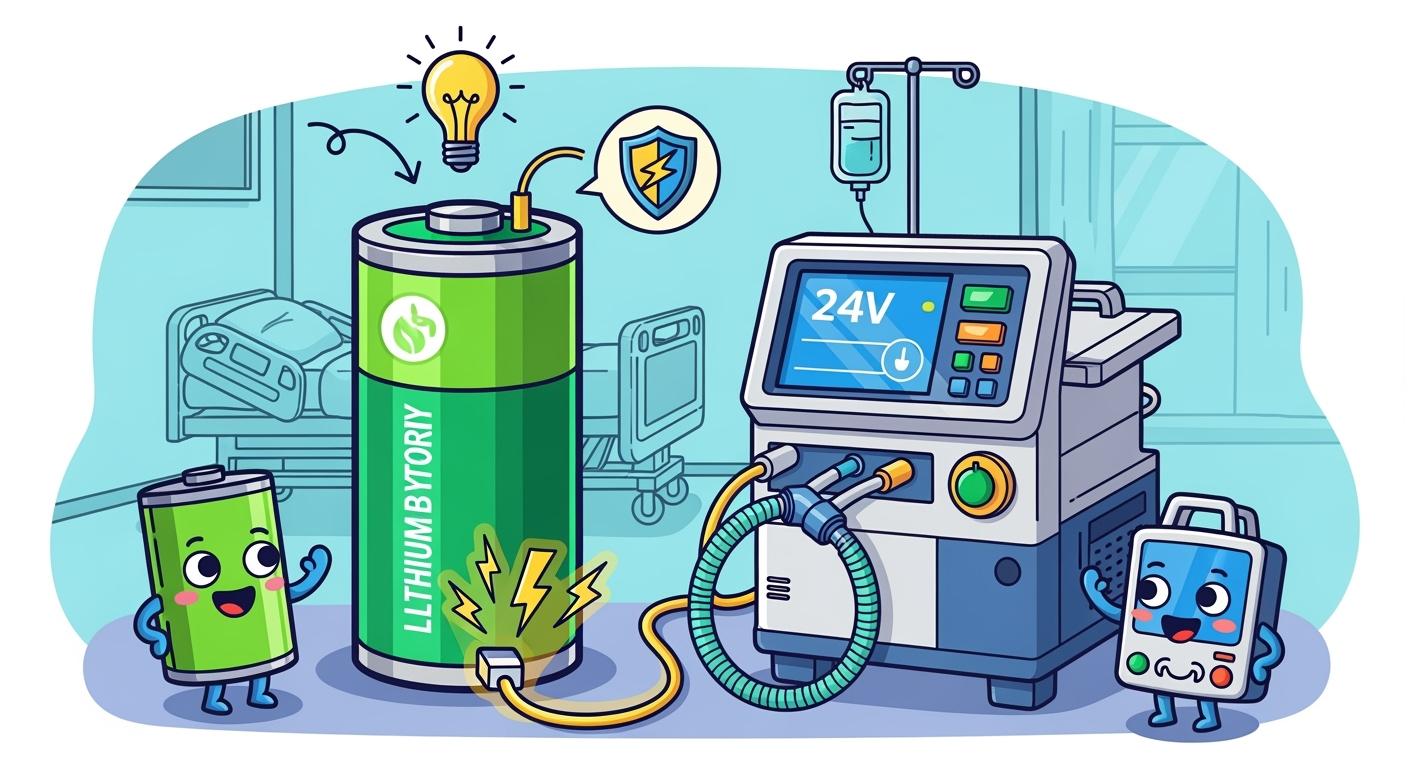
Advanced power solutions drive innovation in medical equipment. You can now leverage Lithium Battery Systems to achieve greater performance and power, enhance reliability and safety, and improve portability and user experience. This shift empowers manufacturers and healthcare providers to deliver critical care with confidence.
Key Takeaways
-
Lithium Battery Systems provide consistent voltage output, ensuring medical devices operate smoothly and reliably during critical procedures.
-
High energy density allows for lightweight and compact medical devices, improving portability and user experience in dynamic healthcare settings.
-
Advanced battery management systems enhance safety and reliability, preventing overheating and extending the lifespan of medical equipment.
Part1: Performance & Power with Lithium Battery Systems
1.1 Consistent Voltage Output
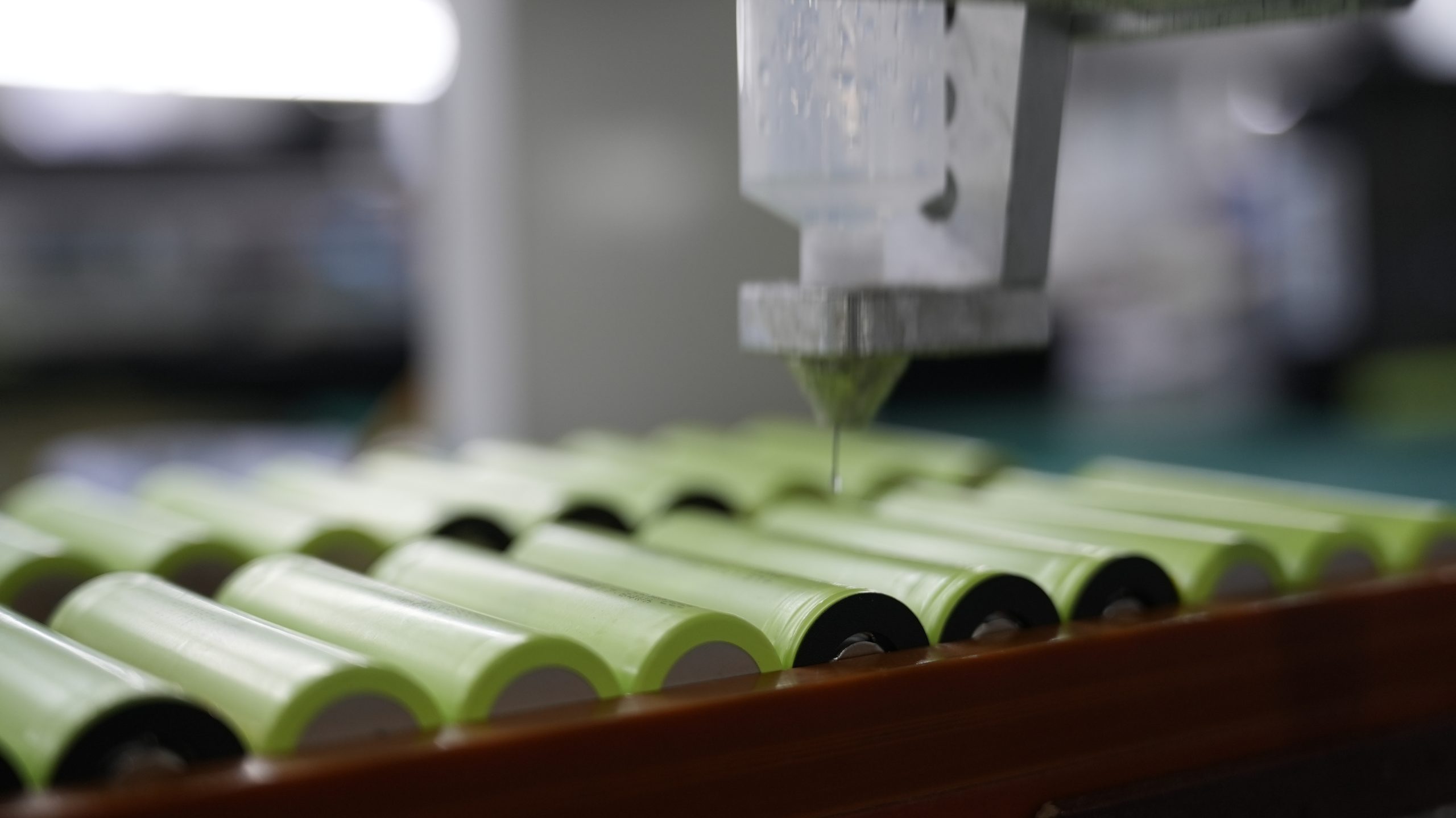
You need medical equipment that delivers precise and reliable performance. This stability ensures your imaging devices and mobile platforms operate without interruption or voltage drops. Unlike lead-acid or nickel-based batteries, lithium batteries maintain a nearly constant discharge voltage, which is essential for specialized medical applications.
Consistent voltage output means your devices run smoothly, reducing the risk of malfunction during critical procedures.
-
Lithium batteries deliver stable and proper operation for specialized medical equipment.
-
High discharge power supports demanding applications, including robotics and security platforms.
-
Long cycle life maintains consistent voltage output over time, minimizing maintenance needs.
1.2 High Energy Density
Lithium Battery Systems offer superior energy density, allowing you to design compact and lightweight medical devices without sacrificing power. The following table compares energy density across common lithium chemistries used in 24V platforms:
|
Chemistry |
Energy Density (Wh/kg) |
Typical Cycle Life (cycles) |
|---|---|---|
|
LMO (Lithium Manganese Oxide) |
~150 |
1000–2000 |
|
LiFePO4 |
~177 |
2000–5000 |
|
NMC (Nickel Manganese Cobalt Oxide) |
150–220 |
2000–3000 |
|
NCA (Nickel Cobalt Aluminum Oxide) |
~250 |
2000–3000 |
|
LTO (Lithium Titanate) |
~60–70 |
7000–20000 |
You benefit from more usable energy per cycle, especially with an 80% depth of discharge. This efficiency supports continuous operation in medical, industrial, and infrastructure environments.
High energy density and lightweight design make integration easier, improving device mobility and user experience.
Modular lithium battery packs allow you to scale power solutions for evolving medical device requirements. You can expand capacity or adjust voltage with flexible series and parallel connections, ensuring your systems remain future-proof.
Part2: Reliability & Safety in Medical Platforms
2.1 Advanced Battery Management Systems
You rely on uninterrupted operation and safety in medical environments. Advanced battery management systems (BMS) in Lithium Battery Systems deliver continuous monitoring of cell voltage and temperature, preventing overheating and thermal events. These systems balance cells to maximize capacity and lifespan, and include protective features against overcharging, over-discharging, and short circuits.
BMS technology ensures your devices remain safe and reliable, even under demanding clinical conditions.
-
Medical batteries must be produced in UL-certified facilities.
-
You benefit from strong language in Instructions for Use (IFU) regarding storage, charging, and maintenance.
-
Warehouse policies help minimize thermal events.
Safety certifications play a critical role in medical device compliance. The following table outlines key certifications and their requirements:
|
Certification |
Samples Required |
Estimated Cost |
Timeline |
|---|---|---|---|
|
UL2054 |
60~80 packs |
$4,000~$15,000 |
8~12 weeks |
|
IEC62133 |
10~25 packs |
$650~$1,000 |
4~6 weeks |
2.2 Long Cycle Life & Stable Operation
Lithium Battery Systems offer extended cycle life, supporting over 500 charge and discharge cycles for medical devices. This longevity reduces maintenance costs and minimizes product recalls, ensuring higher reliability for your equipment.
You gain peace of mind knowing your devices will perform consistently over years of use.
|
Battery Type |
Cycle Life (Cycles) |
|---|---|
|
Lithium-ion |
500–1,200 |
|
Lithium polymer |
600–1,000 |
|
Lithium iron phosphate |
2,000–4,000 |
Stable operation under varying load conditions is essential for medical platforms. These batteries constantly track voltage, current, and temperature, delivering consistent power output and minimizing downtime.
-
Longer cycle life leads to reduced maintenance costs.
-
Fewer product recalls are necessary.
-
Higher overall device reliability is achieved.
A 10-year warranty provides financial protection and performance assurance, helping you manage expectations and maintain compliance. You can focus on patient care, knowing your power systems are built for durability and safety.
Part3: Portability & User Experience
3.1 Lightweight & Compact Design
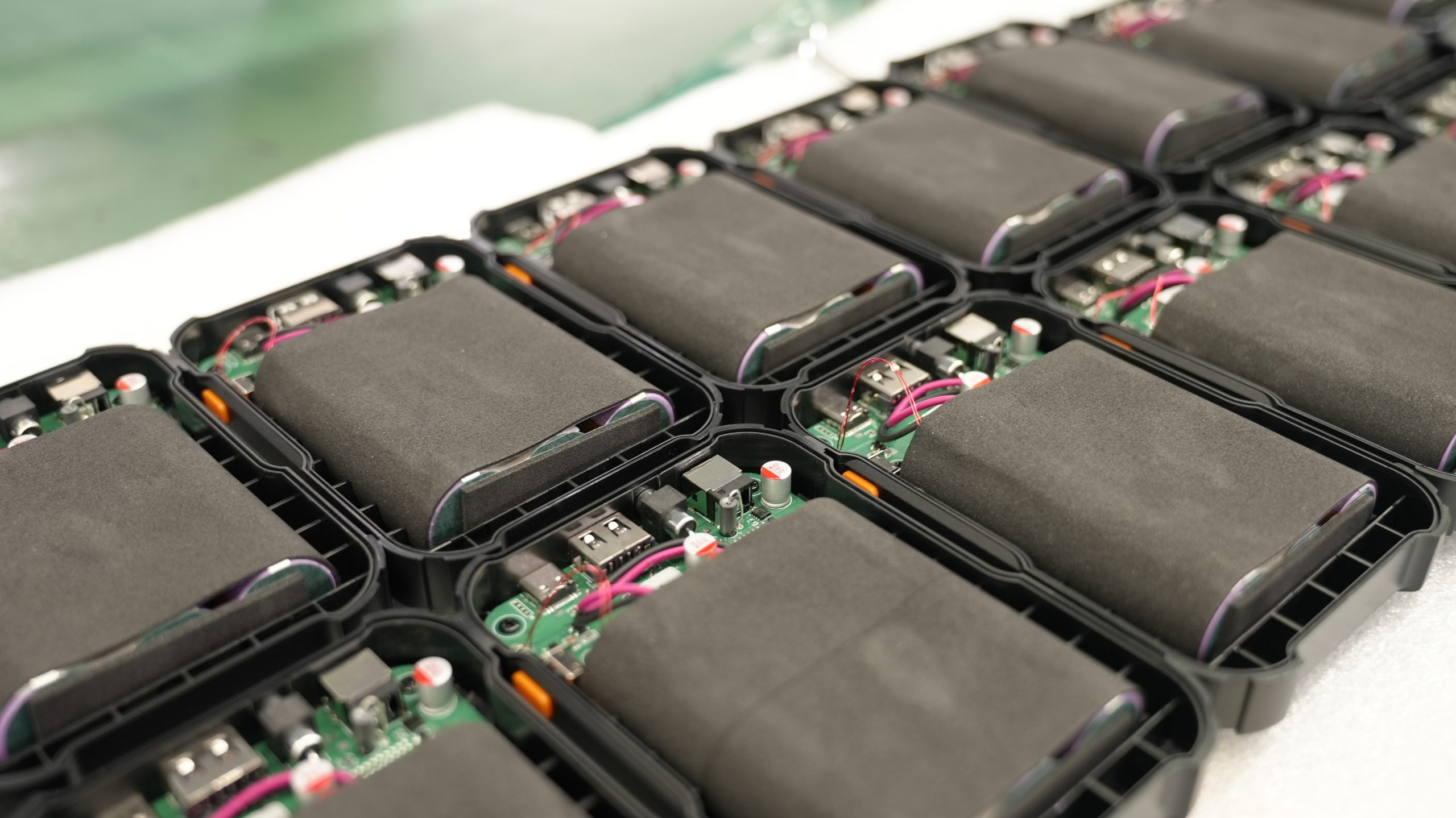
You need medical equipment that moves easily and operates efficiently in dynamic healthcare settings. Lightweight and compact battery designs are essential for the transportability of medical devices. Large Power’s custom medical batteries offer modular, lightweight solutions that improve device mobility and efficiency. These features become critical in emergency situations where quick deployment is necessary.
-
You can transport medical carts, mobility devices, and portable imaging equipment with less effort.
-
High energy density and compact size allow for longer run times—often 10 to 15 hours—without increasing device weight.
-
Lighter batteries reduce strain on staff and enable faster response times in urgent care environments.
The lightweight design of lithium batteries ensures that healthcare professionals can deliver care wherever it is needed, from hospital wards to remote clinics.
3.2 Fast Charging & Easy Integration
You benefit from fast charging and seamless integration when you choose advanced Lithium Battery Systems. These batteries support quick charging cycles and hot-swap capability, which means you can replace batteries without interrupting device operation. This is especially valuable for medical carts and diagnostic equipment that require continuous power.
|
Feature |
Benefit |
|---|---|
|
Extended Battery Life |
Reduces downtime and maintenance, supporting longer shifts and fewer replacements. |
|
Wireless Charging Adoption |
Enables convenient recharging and supports integration into modern medical platforms. |
|
Mobility |
Allows clinical staff to maintain flexibility and efficiency in dynamic care settings. |
You can easily integrate these batteries into existing platforms, thanks to modular designs and compatibility with a wide range of medical devices. This flexibility supports evolving needs in medical, industrial, and infrastructure applications.
Fast charging and easy integration help you maintain operational efficiency, ensuring that your portable medical equipment is always ready for use.
You gain unmatched performance, reliability, and portability with lithium battery systems for 24V medical platforms. See how they compare:
|
Feature |
Lithium Batteries |
|---|---|
|
Energy Density |
Highest in class |
|
Lifespan |
Up to 4x longer |
|
Weight |
Lightweight, portable |
|
Reliability |
Highly dependable |
-
Hospitals and device manufacturers now prefer lithium batteries for their long life and efficiency.
-
You can future-proof your medical devices as lithium technology evolves with IoT and AI integration.
FAQ
What makes Large Power lithium battery systems suitable for medical and industrial applications?
You gain stable voltage, long cycle life, and advanced safety features. Large Power custom battery solutions meet strict standards for medical, industrial, and infrastructure platforms.
How do lithium battery systems compare to traditional chemistries for robotics and security?
|
Feature |
Lithium Battery Systems |
Lead-Acid Batteries |
|---|---|---|
|
Energy Density |
High |
Low |
|
Cycle Life |
Long |
Short |
|
Weight |
Light |
Heavy |
You achieve higher efficiency and reliability in robotics and security cameras with lithium battery systems.
Can you customize lithium battery systems for consumer electronics?
Yes. You can request custom battery solutions for consumer electronics to match your device’s voltage, capacity, and integration needs.


