

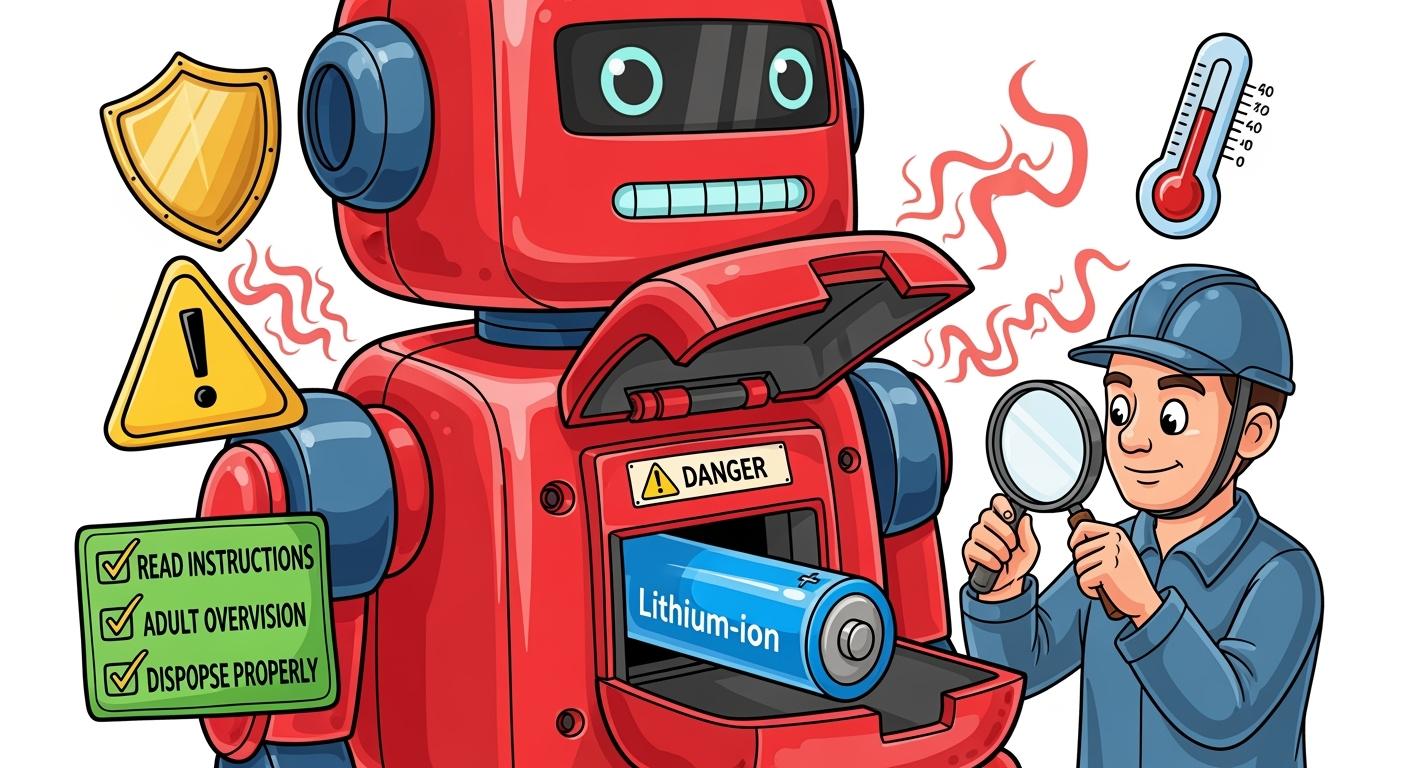
You prevent overheating and failure in consumer toys by addressing Lithium Battery Risks at every stage of design and production. You implement robust battery management systems to monitor voltage, current, and temperature. You enforce strict quality control for every cell and pack. You integrate thermal protection to stop incidents before they start. Overcharging, thermal runaway, and toxic gas release present critical safety threats. You must take proactive measures to ensure product safety and brand integrity.
Key Takeaways
Implement robust battery management systems to monitor voltage, current, and temperature. This helps prevent overheating and extends battery life.
Enforce strict quality control throughout the production process. This reduces the risk of defects that can lead to battery failure and safety hazards.
Educate users on proper handling and storage of batteries. This minimizes risks associated with misuse and environmental factors.
Integrate thermal management solutions in battery designs. This protects against overheating and ensures safe operation in compact toys.
Stay updated with evolving safety standards. Compliance builds trust with consumers and protects your brand from recalls.
Part1: Lithium Battery Risks and Chemistry
1.1 Lithium Battery Chemistry in Toys
You rely on lithium-ion batteries for consumer toys because they offer high energy density, lightweight design, and long cycle life. Most toy applications use chemistries such as NMC (Nickel Manganese Cobalt Oxide), LCO (Lithium Cobalt Oxide), and LMO (Lithium Manganese Oxide). These batteries use a layered structure with a lithium-based cathode, a graphite anode, and an electrolyte that allows lithium ions to move during charging and discharging. The platform voltage for these chemistries typically ranges from 3.6V to 3.7V, which supports efficient power delivery in compact devices.
You must understand that the separator inside the battery keeps the anode and cathode apart. If this separator fails, the battery can short circuit. This failure can lead to rapid heating and dangerous outcomes. The chemistry that makes lithium-ion batteries powerful also makes them sensitive to misuse, physical damage, or manufacturing defects.
1.2 Key Lithium Battery Risks
You face several Lithium Battery Risks when designing and manufacturing toys. These risks include:
Overheating can occur if the battery experiences a short circuit or if the separator fails, allowing the anode and cathode to touch.
Thermal runaway happens when exothermic reactions inside the battery generate heat faster than it can dissipate. This process can start from physical damage, overheating, or battery management system failures such as overcharging or deep discharge.
Thermal runaway can cause a chain reaction in battery packs with multiple cells, increasing the risk of fire, flaming, or even explosions due to the release of combustible gases.
During battery incidents, toxic fumes may be released, posing health risks to users and bystanders.
Lithium-ion batteries can cause serious burn injuries and, in rare cases, fatalities.
Tip: You should always implement robust battery management systems and thermal protection to reduce these risks and protect your brand reputation.
You must address these Lithium Battery Risks at every stage, from cell selection to final assembly, to ensure safety and compliance in the competitive toy market.
Part2: Causes of Overheating and Failure
2.1 Overcharging and Over-Discharge
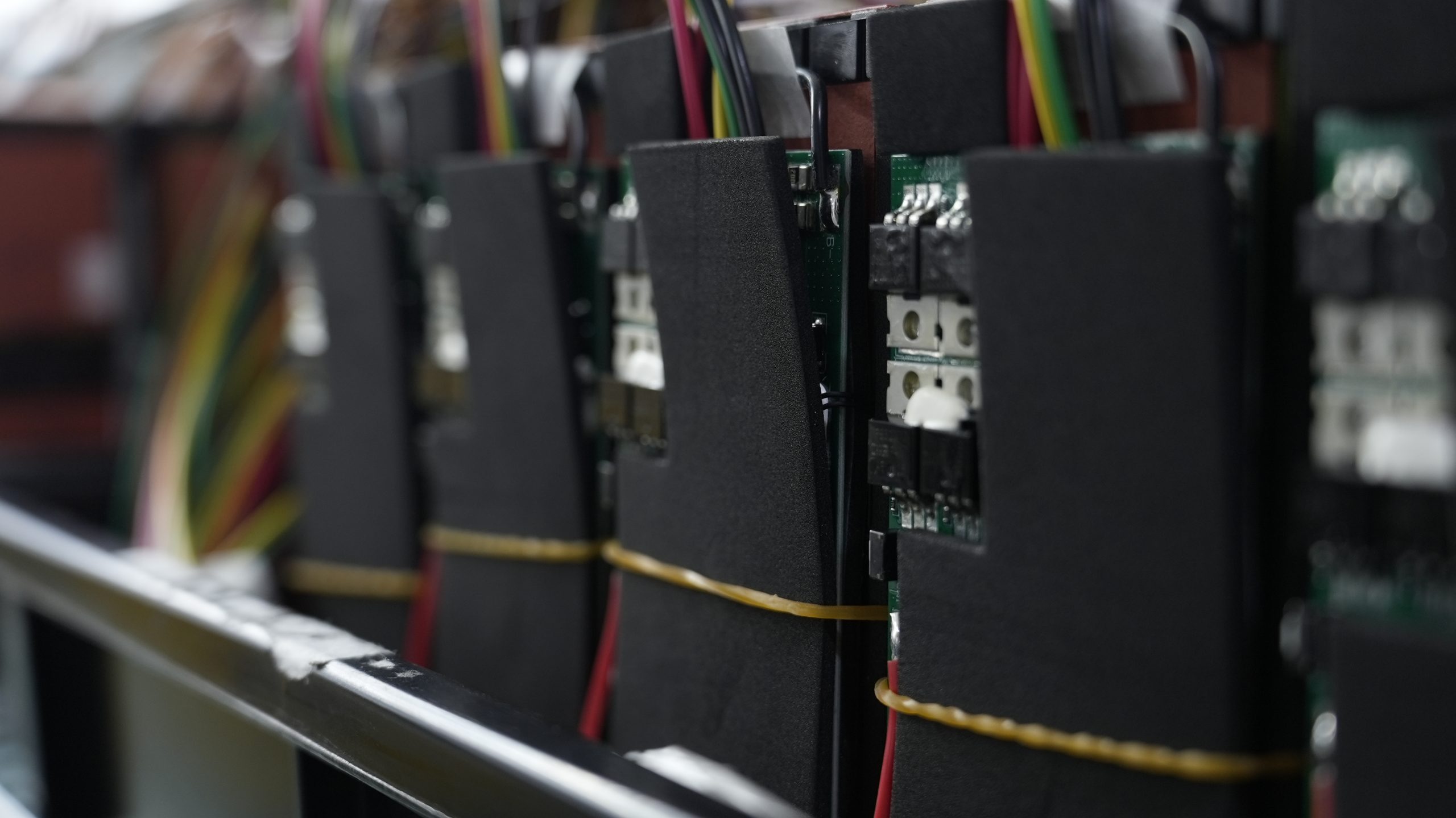
You must control both overcharging and over-discharge to prevent Lithium Battery Risks in consumer toys. Overcharging increases internal resistance and heat, which can trigger thermal runaway. Deep discharge can destabilize cell chemistry, reducing battery life and safety. The following table summarizes the main failure mechanisms:
Mechanism | Description |
|---|---|
Heat Buildup (Thermal Stress) | Excess voltage causes internal resistance heating, potentially leading to thermal runaway. |
Gas Generation & Swelling | Electrolyte decomposition produces gas, leading to battery swelling and possible casing rupture. |
Lithium Dendrite Formation | Overcharging promotes metallic lithium plating, forming dendrites that can cause internal short circuits. |
To minimize these risks, you should:
Keep the battery charge level between 20% and 80%.
Avoid full depletion of the battery.
Prevent prolonged full charge.
You must also respect strict voltage limits:
Action | Voltage Limit |
|---|---|
Maximum Charging Voltage | 3.65V per cell |
Minimum Discharging Voltage | 2.5V per cell |
Tip: Avoid charging above 3.65V per cell and discharging below 2.5V per cell to reduce the risk of overheating and failure.
2.2 Physical Damage and Manufacturing Defects
Physical damage and manufacturing defects remain leading causes of battery failure. Dropping a toy or exposing it to impact can deform internal components, increasing the risk of short circuits and thermal runaway. Poor design or substandard materials can introduce defects that compromise safety. You must enforce strict quality control to detect and eliminate defective cells before assembly.
Thermal runaway can occur in damaged or heavily used batteries, leading to fire or explosion.
Product defects often result from poor manufacturing practices, such as using flammable materials or failing to disclose safety risks.
2.3 Poor Battery Management Systems
A robust battery management system (BMS) is essential for monitoring voltage, current, and temperature. Inadequate BMS design or implementation can result in charging errors, deep discharge, and instability. Without proper BMS, you cannot detect unsafe conditions in time, increasing the risk of overheating and failure. For more on BMS integration, see Battery Management Systems for OEMs.
2.4 Environmental and Usage Factors
Environmental and usage factors also contribute to Lithium Battery Risks. Improper handling, un-monitored charging, and exposure to external heat can all trigger thermal runaway. Physical damage from dropping or crushing the battery increases the risk of internal short circuits. High temperatures above 60°C can cause electrolyte decomposition, gas formation, and even combustion. Low temperatures reduce battery performance and capacity, with a potential drop of 20% at 0°C and over 40% at -20°C.
Note: Always educate end users on proper handling and storage to reduce the risk of failure.
Part3: Prevention Strategies for OEMs
3.1 Advanced Battery Management Systems
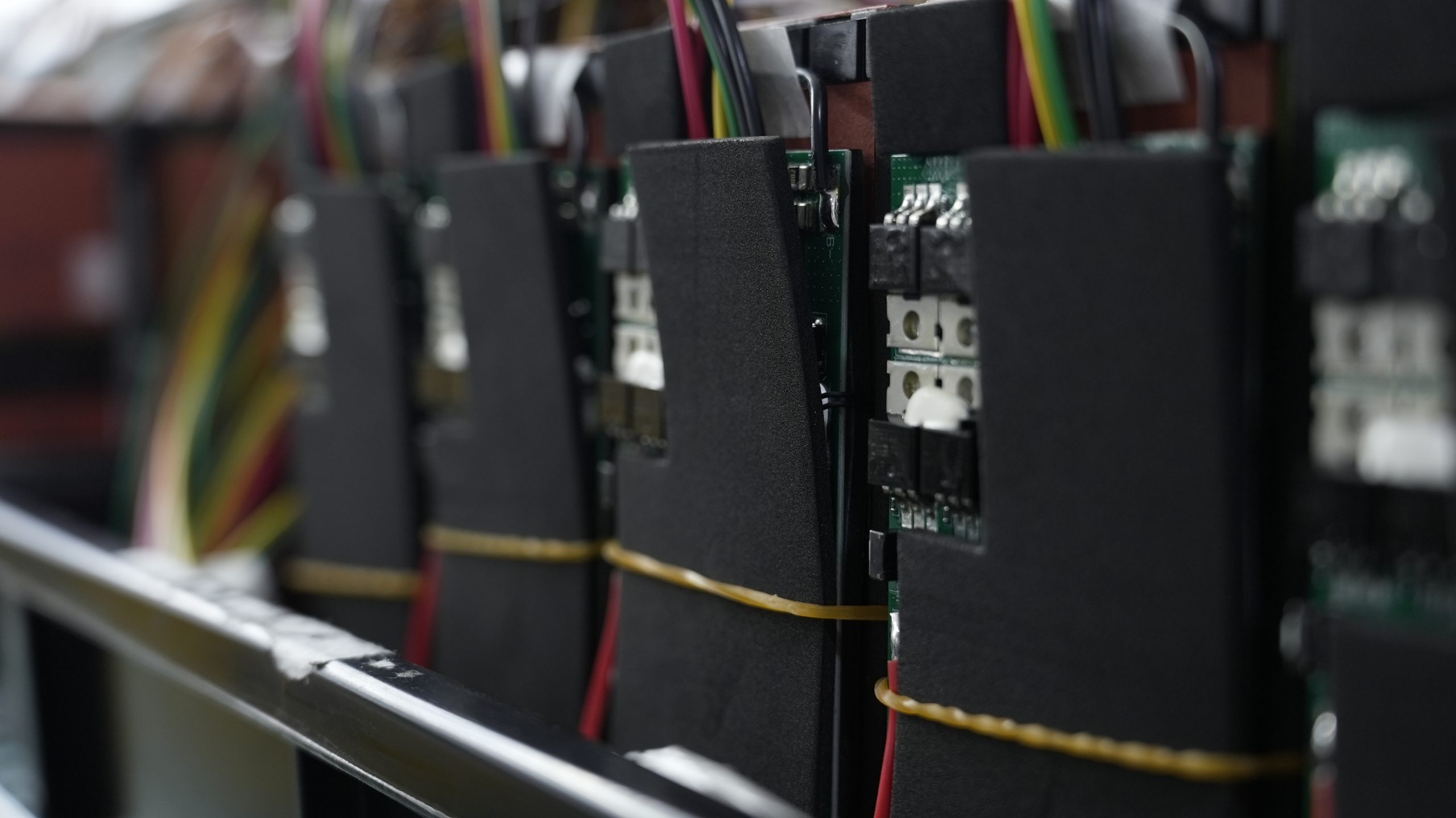
You must integrate advanced battery management systems (BMS) into every lithium battery pack for consumer toys. A robust BMS acts as the central nervous system, continuously monitoring and controlling battery parameters to prevent overheating, overcharging, and deep discharge. This system ensures each cell operates within safe limits, reducing Lithium Battery Risks and extending product life.
Key Feature | Description |
|---|---|
Monitoring SOC & SOH | Tracks state of charge (SOC) and state of health (SOH) by assessing voltage, temperature, and current. |
Cell Balancing | Maintains equal charge across all cells, preventing reduced efficiency and capacity loss. |
Safety Mechanisms | Includes temperature sensors and fault protection to detect and respond to hazardous conditions. |
You should select BMS solutions that support real-time data logging and remote diagnostics. These features help you identify trends and address issues before they escalate.
3.2 Thermal Management Solutions
You must implement effective thermal management to prevent battery overheating and thermal runaway. Proper thermal solutions protect both the battery and the end user, especially in compact toy designs where heat dissipation is challenging. Consider these best practices:
Use only manufacturer-approved, UL-certified batteries and chargers.
Inspect batteries and chargers regularly for physical damage.
Unplug devices or batteries after full charge.
Keep batteries away from extreme temperatures.
Use fireproof sleeves during charging.
You can also integrate thermal cutoffs, heat sinks, or phase change materials in your battery pack design. These measures help maintain safe operating temperatures, even during intensive use or rapid charging cycles. In high-demand applications like robotics or security systems, advanced thermal management becomes even more critical.
Tip: Always design battery compartments with adequate ventilation and thermal isolation from sensitive electronics.
3.3 Quality Control and Certified Batteries
You must enforce strict quality control throughout the battery supply chain. This includes sourcing only certified cells and components, conducting rigorous incoming inspections, and performing batch testing. Adhering to recognized safety standards and regulations is essential for compliance and brand protection.
Requirement | Description |
|---|---|
Section 106(c) | Requires periodic review and revision of safety rules for children’s toys, including battery-operated toys. |
Section 106(d) | Mandates more stringent safety standards than ASTM F963 if necessary. |
UL 4200A-23 | Sets requirements for battery compartments, including tool access and specific testing. |
Pre-conditioning test | Ensures battery compartments withstand thermal stress and prevent child access. |
Simulated battery replacement | Addresses hazards from battery compartments becoming unsecure after replacement. |
You should document all quality control procedures and maintain traceability for every battery pack. This approach helps you quickly identify and address any safety issues that arise in the field.
3.4 Storage, Handling, and Disposal Guidelines
You must establish clear guidelines for battery storage, handling, and disposal to minimize safety risks and comply with regulations. Proper practices reduce the chance of accidental fires, environmental hazards, and regulatory violations.
Aspect | Details |
|---|---|
Universal Waste Definition | Universal wastes are hazardous wastes managed under less stringent requirements than hazardous waste. |
Disposal Regulations | Do not dispose of batteries in municipal solid waste landfills. |
Transport Regulations | Follow USDOT and EPA rules; check for stricter state requirements. |
Maintain the correct voltage during long-term storage (3.7V to 3.85V per cell).
Store batteries in a cool, dry place, away from direct sunlight.
Use fireproof containers for added safety.
When you collect or remove batteries from material streams, your storage practices determine whether they remain stable or become ignition sources. Always separate battery storage from general material handling areas.
You must also comply with regulatory guidelines for safe disposal:
Regulation | Description |
|---|---|
16 CFR Part 1263 | Establishes safety standards for battery compartments, including labeling and child-resistant packaging. |
CPSIA | Imposes restrictions and requirements for labeling and testing of children’s products powered by lithium batteries. |
ASTM F963 | Specifies safety standards for toys, including testing for small parts and battery compartment security. |
By following these strategies, you reduce Lithium Battery Risks and ensure your products meet the highest safety and quality standards in the market.
Part4: Continuous Improvement and Safety Trends
4.1 Monitoring and Data Analysis
You need to prioritize continuous monitoring and data analysis to detect and prevent lithium battery failures in consumer toys. Real-time monitoring gives you valuable insights into battery performance. By collecting and analyzing operational data, you can identify patterns that signal potential safety risks. This approach allows you to take proactive measures before failures occur.
Continuous monitoring reveals early signs of abnormal voltage, current, or temperature.
Data analysis uncovers trends that may indicate cell degradation or misuse.
Proactive interventions reduce the risk of overheating, fire, or toxic gas release.
Tip: Use advanced BMS with remote diagnostics to track battery health across your product fleet. This strategy supports predictive maintenance and strengthens your safety record.
4.2 Adapting to Safety Standards
You must stay current with evolving safety standards to ensure compliance and protect your brand. Regulatory bodies update requirements for lithium battery packs in response to new risks and technologies. Standards such as UL 4200A-23, ASTM F963, and 16 CFR Part 1263 set strict guidelines for battery compartment security, labeling, and child-resistant features.
Standard | Focus Area | Application Scenario |
|---|---|---|
UL 4200A-23 | Battery compartment safety | Consumer toys, electronics |
ASTM F963 | Toy safety, small parts testing | Toys, robotics |
16 CFR Part 1263 | Labeling, packaging, disposal | Medical, security systems |
You should review these standards regularly and update your designs to meet or exceed requirements. This practice reduces recall risk and builds trust with your OEM clients.
4.3 Innovations in Battery Pack Design
You can leverage recent innovations in battery pack design to enhance safety and reliability. Manufacturers now use double-sided bitter coatings, such as Bitrex®, on lithium coin batteries. This feature deters children from swallowing batteries. Child-secure packaging also requires scissors to open, reducing accidental access.
Modern battery packs use high thermal conductivity materials like aluminum alloy heat dissipation plates. These materials quickly transfer heat away from cells. Integrated temperature sensors in the BMS enable real-time monitoring and automatic adjustments to prevent overheating. Some designs include forced ventilation or liquid cooling systems for high-capacity applications in robotics, medical devices, and security systems.
Double-sided bitter coating deters ingestion.
Child-secure packaging prevents unauthorized access.
Aluminum alloy plates and active cooling manage heat effectively.
Distributed sensors trigger cooling systems when temperatures rise.
You should adopt these innovations to reduce lithium battery risks and deliver safer, more competitive products to the market.
You hold a critical role in preventing lithium battery risks in consumer toys. By integrating advanced safety systems and enforcing strict quality controls, you protect both users and your brand. Ongoing investment in research and monitoring has led to:
Safer battery designs with overcharge protection and thermal regulation
Stricter testing protocols that meet international standards
Child-resistant features that minimize access risks
Certification | Description | Benefit |
|---|---|---|
UL 1642 | Electrical, mechanical, and environmental safety | Enhances reliability and consumer trust |
UL 2054 | Battery management and protection circuits | Demonstrates commitment to product quality |
UN38.3 | Transportation hazard resistance | Reduces risks during shipping |
You should prioritize battery safety and continuous improvement to lead in the competitive toy market.
FAQ
What lithium battery chemistry should you choose for consumer toys?
You should consider NMC (Nickel Manganese Cobalt Oxide) for high energy density and long cycle life. LiFePO4 (Lithium Iron Phosphate) offers better thermal stability but lower energy density. Select chemistry based on safety, cost, and application requirements.
How does a robust BMS improve battery safety?
A robust Battery Management System (BMS) monitors voltage, current, and temperature in real time. You can prevent overcharging, deep discharge, and overheating. This system reduces failure rates and extends battery life in toys, robotics, and medical devices.
What is the difference between certified and non-certified battery packs?
Feature | Certified Packs | Non-Certified Packs |
|---|---|---|
Safety Testing | Yes | No |
Compliance | Meets standards | May not comply |
Traceability | Full | Limited |
You should always use certified packs to ensure safety and regulatory compliance.
How do you store lithium battery packs safely?
You must store lithium battery packs in a cool, dry place. Keep them at 3.7V to 3.85V per cell for long-term storage. Use fireproof containers and avoid direct sunlight. This practice reduces fire risk in consumer electronics, security systems, and industrial applications.
Why do OEMs need to follow evolving safety standards?
You must follow evolving safety standards to protect your brand and users. Standards like UL 4200A-23 and ASTM F963 address new risks in battery compartments and labeling. Regular updates ensure compliance in medical, robotics, and infrastructure sectors.


