

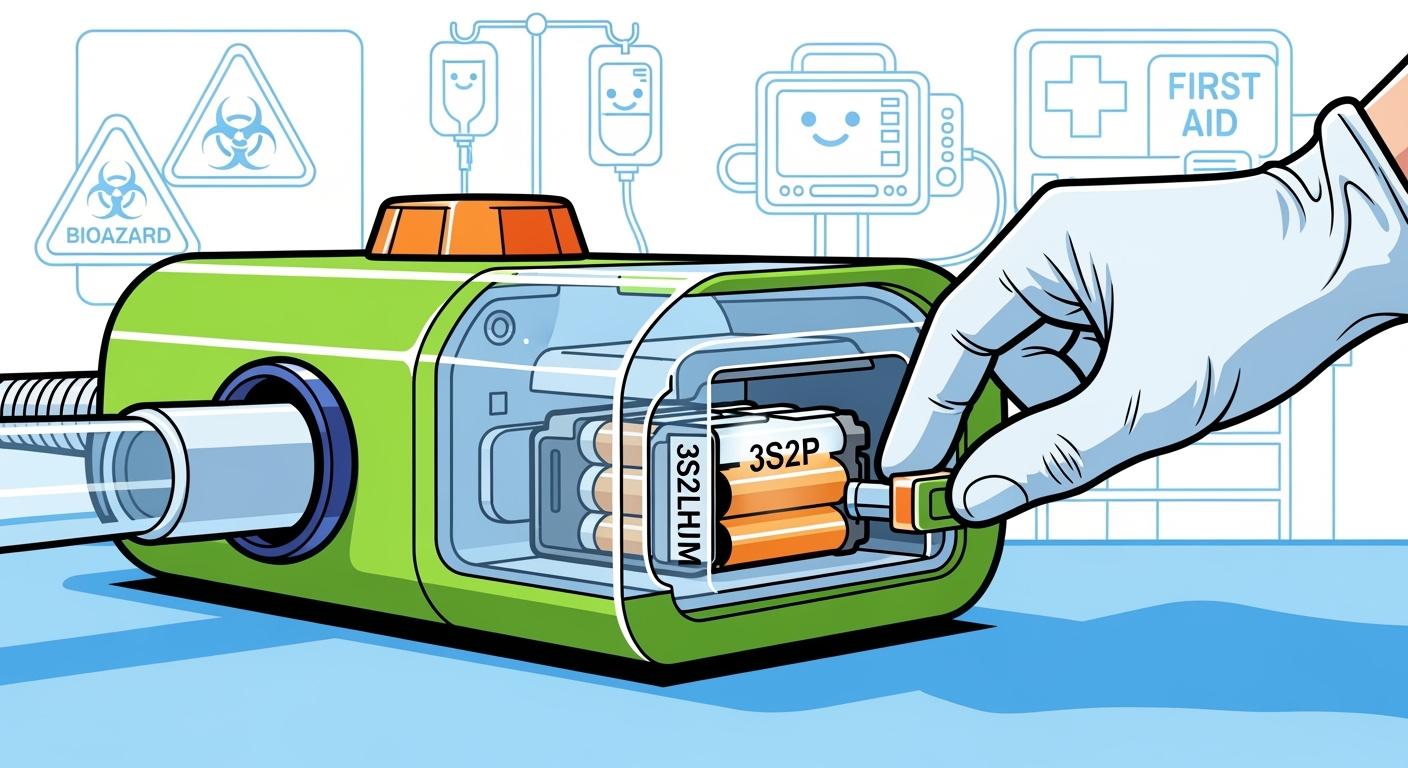
You can implement 3S2P lithium battery solutions in medical equipment by following strict safety standards and using advanced battery management systems. Energy efficiency boosts reliability and supports patient safety. These solutions meet international standards for both traditional and implantable devices.
Standard | Application |
|---|---|
IEC 62133 | Safety for rechargeable batteries in medical devices. |
UL 1642/2054 | North American market access for lithium battery solutions. |
ISO 13485 | Quality management for medical equipment manufacturing. |
Request custom battery consultation for tailored battery solutions.
Key Takeaways
Implement 3S2P lithium battery solutions to enhance safety and reliability in medical suction devices. These solutions meet international safety standards, ensuring patient protection.
Utilize advanced battery management systems (BMS) to monitor battery performance and prevent failures. Regular testing and updates improve safety and extend battery life.
Follow best practices for installation and ventilation to maintain safety. Incorporate short circuit protection features to safeguard against potential hazards.
Part1: 3S2P Lithium Battery Solutions & Device Suitability
1.1 3S2P Configuration Explained
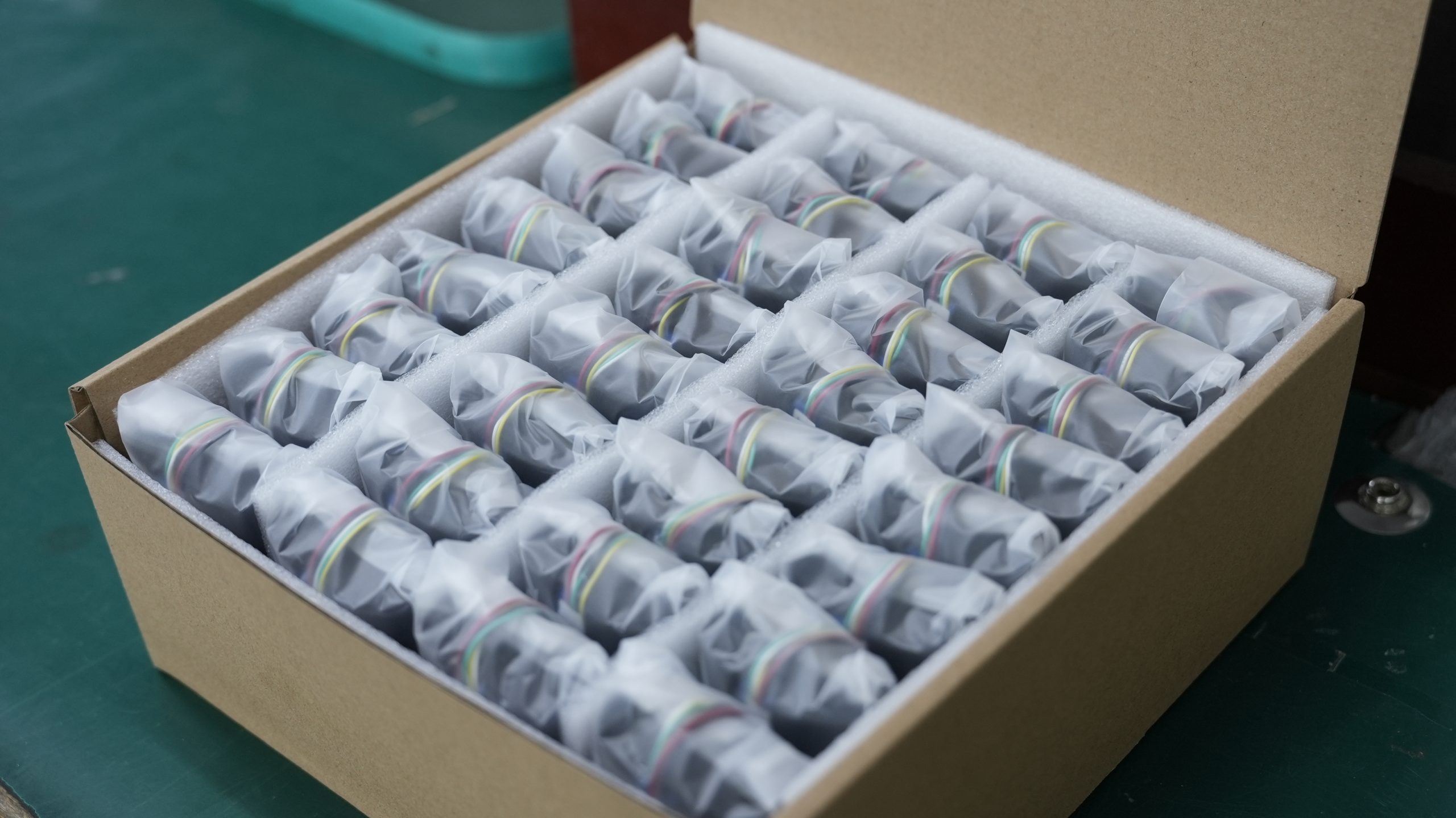
You need to understand the technical structure of a 3S2P lithium battery to make informed decisions for your medical suction devices. In this configuration, three cells connect in series to boost voltage, while two sets of these series connect in parallel to increase capacity. This setup delivers a balance between voltage and capacity, making it ideal for applications that demand both extended uptime and reliable battery power.
Feature | ||
|---|---|---|
Voltage | 10.8V | 14.4V |
Capacity | 6Ah – 10Ah | 3Ah – 3.5Ah |
Typical Application | Extended uptime, backup | High power, compact size |
The 3S2P lithium battery solution offers high energy density, which is essential for compact medical devices. You can also customize connectors, cables, and PCM protection to fit your specific requirements.
1.2 Suitability for Medical Suction Devices
Medical suction devices require stable voltage, high energy density, and robust safety features. The 3S2P lithium battery solution provides a nominal voltage of 11.1V and a capacity of 5200mAh, which supports long operating times and reliable performance. This configuration uses high-quality cylindrical cells, ensuring safety and consistent output. You can recharge these batteries, making them suitable for repeated use in medical, robotics, and security system applications.
Specification | Details |
|---|---|
Voltage | 11.1V |
Capacity | 5200mAh |
Battery Type | Li-ion |
Rechargeable | Yes |
Applications | Medical equipment, solar lamps, robotics, security system |
1.3 Energy Efficiency & Performance
You benefit from high energy density and efficient battery management system integration with 3S2P lithium battery solutions. At 40 cycles per minute, your device can operate up to 560 minutes with a smaller inverter. Even at higher speeds, such as 160 cycles per minute, you achieve 150 minutes of operation. Larger inverters provide about 300 minutes at 40 cycles per minute. This efficiency ensures patient safety and device reliability.
Tip: For custom lithium battery solutions tailored to your medical or industrial needs, request a consultation.
When you compare these solutions to those used in implantable left ventricular assist devices, you see that medical-grade standards demand even stricter safety and high energy density. The 3S2P lithium battery solution meets these requirements, making it a trusted choice for medical, infrastructure, and industrial sectors.
Part2: Safety Standards & Implementation for Lithium Battery Solutions
2.1 Key Medical Safety Standards (UL, IEC, ISO 13485)
You must prioritize safety when selecting lithium battery solutions for medical suction devices. Global market access depends on compliance with certifications such as UL, IEC, ISO 13485, ANSI/AAMI ES 60601-1, and IEC 62133. These standards ensure that your battery packs meet strict safety requirements for both patients and healthcare providers. You gain confidence that your devices will perform reliably, even during extended uptime or in critical treatment scenarios.
UL and IEC standards focus on electrical safety and performance. ISO 13485 addresses quality management in medical device manufacturing. ANSI/AAMI ES 60601-1 and IEC 62133 set the bar for safety features in both implantable and non-implantable medical devices. You must conduct thorough testing to verify compliance. This testing covers electrical, thermal, and mechanical risks that could lead to failure or harm to patients.
When you compare implantable and non-implantable devices, you see differences in regulatory demands. Implantable devices, such as those used for advanced heart failure or artificial organ support, require production in UL-certified facilities and extensive safety testing. Non-implantable devices, including portable suction units, follow less stringent standards but still demand robust safety features and efficiency.
Category | Implantable Devices | Non-Implantable Devices |
|---|---|---|
Regulatory Standards | Must comply with ANSI/AAMI ES 60601-1 and IEC 62133 | Fewer stringent standards, may comply with IEC 60086-4 |
Production Requirements | Must be produced in UL-certified facilities | Recommendations for production, less stringent than medical |
Safety Testing | Extensive safety testing required | Basic safety testing may suffice |
You should always verify that your lithium battery packs meet the latest safety and quality standards before integrating them into medical, robotics, or industrial applications.
2.2 Advanced BMS & Protection Features
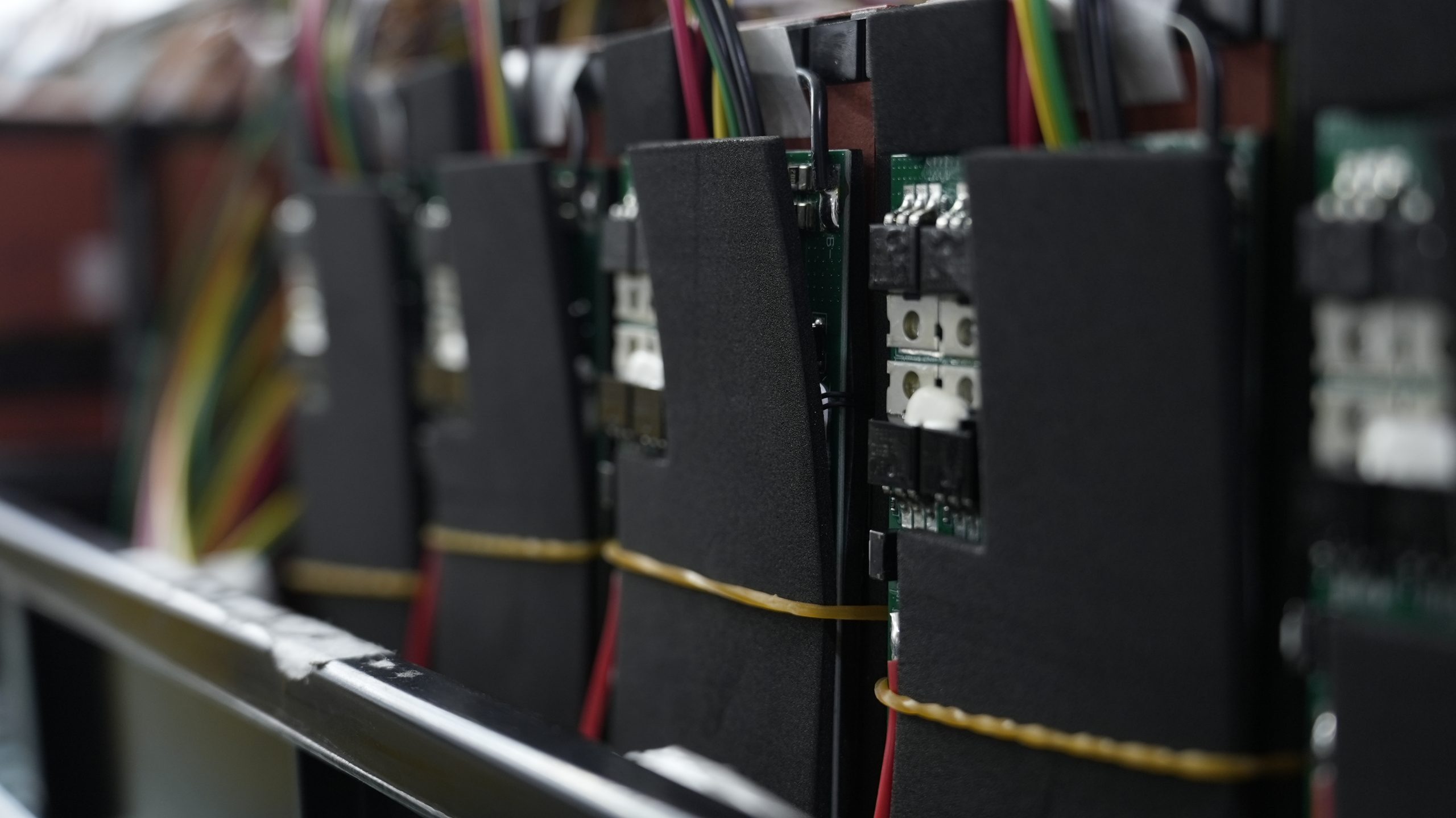
You enhance safety and energy efficiency by integrating advanced battery management systems (BMS) into your lithium battery solutions. A BMS monitors cell voltage, temperature, and current, preventing failure and extending battery life.
To maintain ongoing compliance, you should:
Select BMS with real-time monitoring and fault detection.
Schedule regular testing of safety features, including over-current and over-voltage protection.
Update firmware to address new safety risks and improve efficiency.
Document all maintenance and testing activities for audit purposes.
Advanced BMS technology supports extended uptime and compact design, which are essential for medical suction devices and artificial organ support systems. You reduce the risk of failure and improve treatment outcomes for patients. In addition, you can request a custom battery solution to ensure your BMS meets specific application needs in medical, security system, or industrial sectors.
2.3 Installation, Ventilation & Short Circuit Protection
Proper installation and ventilation play a critical role in maintaining safety and energy efficiency. You should follow these best practices:
Monitor for early signs of off-gassing and ventilate the battery compartment to keep gas concentrations safe.
Use intrinsically safe and explosion-proof equipment in battery spaces.
Install multi-gas detection devices that integrate with fire alarm systems for enhanced safety.
Short circuit protection is another essential safety feature in lithium battery packs. You can implement multiple layers of protection to prevent failure and ensure patient safety.
Safety Feature | Description |
|---|---|
Thermal-shutdown separator | Prevents overheating by shutting down the battery if a certain temperature is reached. |
Pressure-activated current interrupter | Cuts off current flow in case of excessive pressure, preventing potential hazards. |
Over-current protection | Protects against excessive current that could lead to short circuits. |
Electronic safety circuit | Monitors and protects cells from excessive charge/discharge voltage or current. |
Fuses or current interrupt devices | Activate at unsafe currents or temperatures to prevent damage. |
Insulating tape | Used during construction to prevent external short circuits. |
Proper placement of components | Ensures heat-generating components are away from the cells to minimize risk. |
You must ensure that all safety features are present and functioning. Regular testing and maintenance help you avoid unexpected failure and protect patients during treatment. When you design for compact design and extended uptime, you must not compromise on safety or efficiency.
Note: For sustainable battery solutions and responsible sourcing, you can review our approach to sustainability and conflict minerals statement.
By following these guidelines, you create lithium battery solutions that deliver high energy efficiency, robust safety, and reliable performance for medical, artificial organ, and advanced heart failure applications. You support better treatment outcomes and reduce the risk of device failure for patients in critical care.
You can implement safe, compliant 3S2P lithium battery packs in medical suction devices by following international safety standards and using advanced battery management systems. These steps improve reliability, support emergency care, and extend device life. Certified solutions also benefit total artificial heart systems. For tailored solutions, request a custom battery consultation.
FAQ
What makes 3S2P lithium battery packs ideal for medical suction-discharge device safety?
You gain stable power, high energy density, and reliable flow control. Large Power custom solutions ensure your device meets strict heart and implantable left ventricular assist device standards.
How do you ensure compliance for implantable left ventricular assist device batteries?
You select lithium battery packs from Large Power. You verify each device meets international implantable safety standards.
Can you use the same lithium battery pack for portable patient monitors and suction-discharge device applications?
You must match power, flow, and safety requirements. Large Power engineers design custom lithium battery packs for portable patient monitors, implantable heart devices, and suction-discharge device systems.


