

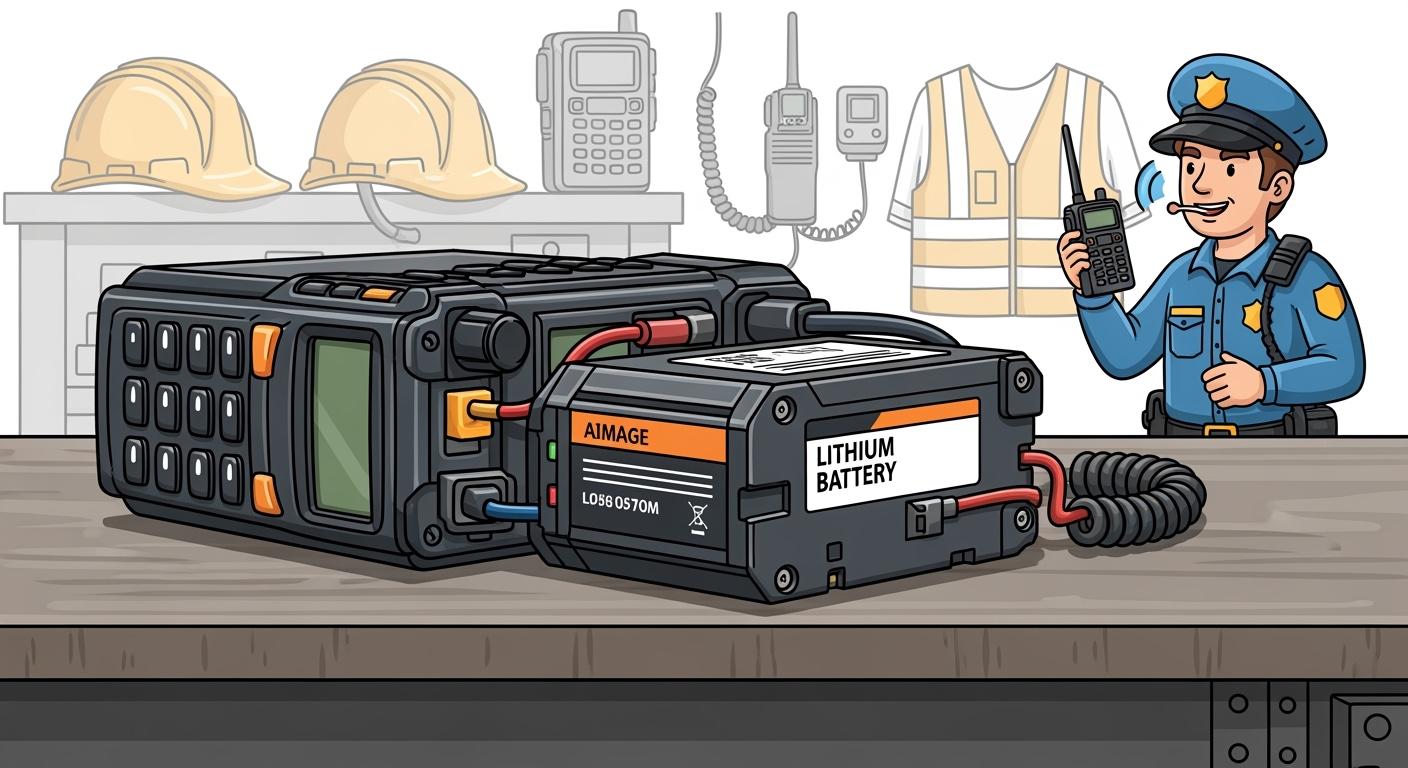
You depend on lithium battery solutions to keep your two-way radio systems running in the most demanding industrial and public safety environments. Reliable power supports critical communication and protects lives, property, and business continuity. When power fails, you face serious risks:
Communication system failures threaten operations and safety.
Owners risk legal, financial, and reputational harm.
First responders may struggle to coordinate, putting people and assets at risk. Lithium battery solutions have evolved beyond older chemistries like NiCd and NiMH, delivering unmatched reliability for every battery-dependent network.
Key Takeaways
Lithium batteries provide high energy density and long cycle life, making them ideal for two-way radio systems in demanding environments.
Fast charging and low maintenance requirements of lithium batteries enhance operational efficiency and reduce downtime.
Choosing the right battery chemistry, like LiFePO4 for safety or NMC for high energy density, is crucial for optimal performance in specific applications.
Regular maintenance and proper charging practices extend the lifespan of lithium batteries, ensuring reliable communication in critical situations.
Compliance with safety standards and certifications is essential for safe and effective use of lithium battery packs in industrial and public safety networks.
Part1: Battery Options for Two-Way Radio Systems
1.1 Main Battery Types Overview
You rely on advanced battery technology to power your two-way radio systems in industrial and public safety networks. The most common rechargeable battery walkie talkie options include nickel-cadmium (NiCd), nickel-metal hydride (NiMH), and several lithium chemistries such as LiFePO4, NMC, LCO, and LMO. Lithium cell batteries have become the preferred choice for continuous communication in medical, robotics, security systems, and infrastructure sectors. These batteries deliver high energy density and long cycle life, making them ideal for demanding environments.
1.2 NiCd, NiMH, Li-ion Comparison
The table below compares the main battery types used in two-way radio systems. You can see how each battery technology performs in terms of platform voltage, energy density, cycle life, and self-discharge rate.
Battery Type | Platform Voltage | Energy Density (Wh/kg) | Cycle Life (cycles) | Self-Discharge Rate | Application Scenarios |
|---|---|---|---|---|---|
NiCd | 1.2V | 40-60 | 700-1000 | 20%/month | Industrial, infrastructure |
NiMH | 1.2V | 60-100 | 500 | 30%/month | Medical, power tools |
LiFePO4 | 3.2V | 90-120 | 2000+ | <3%/month | Robotics, solar, medical |
NMC | 3.7V | 150-220 | 1000-2000 | <5%/month | Security systems, consumer electronics |
LCO | 3.7V | 150-200 | 500-1000 | <5%/month | Consumer electronics |
LMO | 3.7V | 100-150 | 1000 | <5%/month | Industrial, infrastructure |
Tip: Lithium-ion batteries offer superior energy density and lower self-discharge rates compared to NiCd and NiMH. You gain longer runtime and less frequent charging for your rechargeable battery walkie talkie fleet.
1.3 Application Suitability
You must match the right battery to your two-way radio application. Emergency services need lithium cell batteries designed for extreme temperatures and long shifts. Construction and mining operations require rugged lithium battery packs that resist dust, moisture, and impact. Medical and robotics sectors benefit from LiFePO4 for safety and reliability. Compatibility with major two-way radio brands such as APX 6000, XPR7350, and TK-5220 ensures easy battery swapping and charging. Choosing the correct battery technology guarantees continuous communication and operational efficiency.
Part2: Advantages of Lithium Battery Solutions
2.1 High Energy Density & Long Life
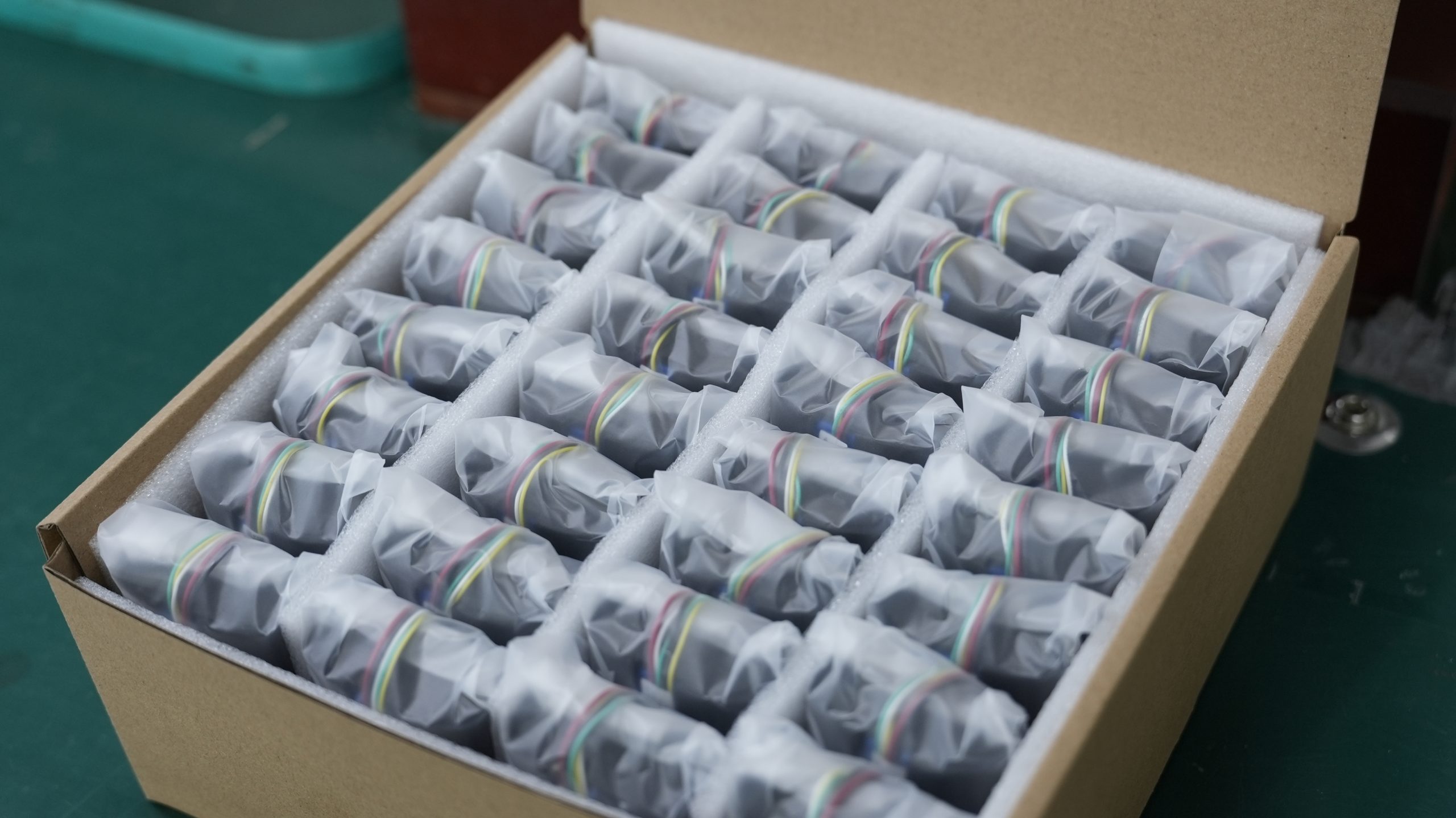
You need reliable power for your two-way radio systems in demanding environments. Lithium battery packs deliver high energy density, which means you get more power in a smaller, lighter package. This feature allows you to design compact devices for medical, robotics, and security systems without sacrificing performance. You can expect up to 24 hours of extended usage time from a single charge, which supports long shifts and critical operations.
The lifespan of lithium batteries stands out in professional applications. You benefit from fewer replacements and less downtime. Many organizations have seen a significant reduction in operational costs after switching to lithium battery solutions. For example:
A regional telecom operator replaced lead-acid batteries with lithium in rural base stations.
The result was a 35% reduction in total cost of ownership over five years.
Fewer battery replacements and maintenance visits drove these savings.
You can trust lithium battery packs to provide longevity and consistent performance, which keeps your communication networks running smoothly.
2.2 Fast Charging & Low Maintenance
You save valuable time with lithium battery packs because they support fast charging. This feature is essential for industrial and public safety networks where every minute counts. Lithium batteries do not suffer from the memory effect that affects NiCd batteries, so you do not need to fully discharge them before recharging. This advantage reduces maintenance and extends the lifespan of your battery fleet.
The table below compares maintenance requirements for different battery types:
Battery Type | Maintenance Requirements | Advantages | Disadvantages |
|---|---|---|---|
NiCd | Requires full discharges before recharging due to memory effect | Exceptional durability, good performance in extreme temperatures | Memory effect, heavier, environmental disposal issues |
NiMH | Lesser memory effect but faster degradation over time | Longer usage periods, environmentally safer | Reduced performance in extreme temperatures, faster degradation |
Lithium-Ion | No memory effect, low self-discharge rate | High energy density, lightweight, quick recharge | Higher cost, sensitive to extreme heat, capacity reduction during storage |
You can see that lithium battery packs require less maintenance and offer faster charging compared to NiCd and NiMH options. This benefit increases operational uptime and reduces labor costs.
2.3 Durability & Safety
You need batteries that perform reliably in harsh conditions. Lithium battery packs, including LiFePO4, NMC, LCO, and LMO chemistries, are engineered for durability. They withstand vibration, shock, and exposure to dust and moisture, which is critical in industrial and infrastructure settings.
Safety remains a top priority. Lithium battery packs include advanced protection circuits and safety mechanisms. These features prevent overheating, short circuits, and overcharging. You should always use compatible chargers and follow proper charging practices to avoid overheating, especially in hot climates.
Proper charging practices, such as using compatible chargers and avoiding overcharging, are crucial to prevent overheating, especially in hot climates.
The protective circuit’s primary role is to halt current flow when a fault is detected, thereby safeguarding the device from damage due to short circuits or excessive current from high voltages.
To ensure lithium-ion batteries are intrinsically safe, it is essential to limit the active material, incorporate various safety mechanisms within the battery, and add electronic protection circuits to the battery pack.
The table below shows how lithium batteries perform in extreme environments compared to other types:
Condition | Lithium-ion Performance | Other Battery Types Performance |
|---|---|---|
High Temperatures | Risk of thermal runaway and reduced capacity | Varies, but some may handle heat better |
Low Temperatures | Reduced capacity and efficiency | Sodium-ion and nickel-based batteries may perform better in cold climates |
Charging Speed | Slower charging in cold temperatures | Varies, but some alternatives may charge faster in cold conditions |
You should consider these factors when deploying lithium battery packs in challenging environments.
2.4 Environmental & Cost Benefits
You want to reduce your environmental impact while managing costs. Lithium battery packs offer several advantages over traditional chemistries. They last longer, which means fewer replacements and less waste. However, you should be aware of the environmental challenges associated with lithium battery production and disposal. The extraction of lithium can cause habitat destruction, erosion, and water pollution. Manufacturing processes contribute to carbon emissions, and improper disposal leads to electronic waste and contamination of soil and water.
From a cost perspective, lithium battery packs provide a lower total cost of ownership over time. The table below compares lifecycle costs for different battery types:
Battery Type | Initial Cost | Lifespan (Years) | Replacement Cycles | Total Cost Over 20 Years |
|---|---|---|---|---|
Primary Lithium (LiSOCl2) | $12 | 15-20 | 1 (initial) | $194 |
Alkaline | $4 | 2-3 | 6-8 | $623 |
Rechargeable Lithium-ion | $25-40 | Varies | N/A | $70-110 + maintenance |
You can see that lithium battery packs offer significant savings over the product lifecycle. You benefit from extended lifespan, reduced maintenance, and lower replacement costs. These advantages make lithium battery solutions the preferred choice for professional two-way radio systems in medical, robotics, security, infrastructure, and industrial applications.
Part3: Selecting the Right Lithium Battery Solution
3.1 Key Selection Criteria
You must evaluate several factors when choosing rechargeable lithium batteries for your two-way radio systems. Chemistry plays a major role in performance. Li-ion batteries offer high energy density and lightweight design, which suits most professional radios. LiFePO4 batteries provide long cycle life and enhanced safety for industrial-grade equipment. You should also consider battery life, measured in milliamp hours (mAh), to match your required runtime. Assess how many hours of continuous operation your radios need. Review the intensity of radio use, such as constant communication or periodic check-ins.
Tip: Always verify voltage compatibility and ensure the battery matches the radio’s specifications for optimal performance.
Feature | Li-ion Battery | LiFePO4 Lithium Battery | Ni-MH Battery | Li Po Battery |
|---|---|---|---|---|
Nominal Voltage | 3.7V | 3.2V | 1.2V | 3.7V |
Cycle Life | 500–800 | 2000+ | 500–1000 | 500+ |
Energy Density | Very High | High | Medium | Very High |
3.2 Custom vs. Standard Packs
You can select between custom battery packs and standard options. Custom battery packs deliver optimized performance for specialized applications in medical, robotics, and security systems. These packs support unique chargers and spare slots, which ensures uninterrupted operation. Standard AA/AAA packs offer versatility and easy replacement, but they often provide lower performance and higher long-term costs.
Type of Battery Pack | Advantages | Disadvantages |
|---|---|---|
Custom Lithium Packs | Optimized design for extended usage and improved performance. Unique chargers and spare slots for reliability. | Higher cost and limited availability. Proprietary design requires original supplier. |
Standard AA/AAA Packs | Versatile use of rechargeable or disposable batteries. Widely available in retail stores. | Higher long-term costs with disposables. Lower performance compared to specialized packs. |
3.3 Integration with Two-Way Radios
You must ensure that rechargeable lithium batteries integrate seamlessly with your radio models. Each radio requires specific voltage and capacity. Only use protected 18650 cells rated for continuous discharge of at least 5 A to prevent thermal issues. Most radios expect a nominal voltage of 3.7 V. Avoid high-voltage variants to maintain safety and performance. For advanced battery management, consider integrating a battery management system (BMS).
Verify voltage and capacity for each radio model.
Use only protected cells for safety.
Assess battery use frequency and intensity for longer-lasting performance.
3.4 Certification & Compliance
You must comply with regional and international standards when deploying rechargeable lithium batteries in industrial and public safety networks. Regulations such as RoHS, WEEE, FCC, and GB 31241-2014 ensure safety, environmental responsibility, and electromagnetic compatibility. International transport requires UN 38.3 certification and adherence to IATA Dangerous Goods Regulations.
Region | Regulation/Standard | Key Compliance Requirements |
|---|---|---|
European Union | RoHS | Limits hazardous substances; lithium chemistries dominate the market. |
WEEE | Requires recycling rates over 50%; impacts production costs. | |
North America | FCC | Limits electromagnetic interference; requires shielded designs. |
Energy Density | Drives demand for batteries with capacities over 3000mAh. | |
Asia-Pacific | GB 31241-2014 | Imposes safety tests; reduces non-compliant imports. |
PSE (Japan) | Requires tamper-proof labeling and third-party testing. |
You ensure safety, reliability, and legal compliance by selecting certified rechargeable lithium batteries for your two-way radio systems.
Part4: Best Practices for Battery Performance
4.1 Charging & Storage Tips
You can extend the service life of your lithium battery packs by following proven charging and storage practices. These steps help maintain reliable power for your two-way radio systems in industrial, medical, and security environments:
Avoid high temperatures. Store and charge batteries away from heat sources to prevent capacity loss.
Use partial charging. Keep the charge level between 40% and 80% for optimal lifespan.
Always use manufacturer-recommended chargers. This reduces the risk of damage and ensures safe operation.
Limit frequent fast charging. Regular charging methods reduce heat stress on the battery.
Store batteries in a cool, dry place with a moderate charge.
Adjust device settings to conserve battery power during long shifts.
Prevent high discharge rates to protect battery health.
Rotate devices in use to keep batteries active.
Update device software to improve battery efficiency.
Monitor battery health regularly for signs of capacity loss.
Improper charging or storage can lead to fire hazards, permanent battery damage, or unexpected device failures. Never store batteries fully charged for long periods, and avoid high-temperature environments.
4.2 Maintenance Protocols
You should implement a structured maintenance plan for your lithium battery packs. The table below outlines effective protocols for industrial and public safety radio systems:
Maintenance Protocols | Description |
|---|---|
Regular Monitoring | Assess battery voltage, current, and temperature to detect issues early. |
Health Checks | Perform proactive assessments to ensure batteries function correctly and prevent failures. |
Preventative Maintenance | Schedule inspections and replace batteries before end-of-life to maintain system reliability. |
Compliance Audits | Verify adherence to safety standards and regulations for extended battery life and reliability. |
You can also enhance performance and safety by integrating a battery management system (BMS).
4.3 Troubleshooting & Backup Planning
You may encounter common issues with lithium battery packs in two-way radio systems:
The radio will not turn on.
The battery drains faster than expected.
The device powers off without warning.
To resolve these problems, ensure the battery is fully charged and check the charger status. Reseat the battery to secure connections. Replace batteries that have been in service for 18 months or longer. For critical operations in medical, robotics, or infrastructure sectors, always maintain backup batteries and test them regularly to ensure uninterrupted communication.
Regular troubleshooting and backup planning protect your network from unexpected downtime and keep your teams connected.
You gain many advantages when you choose lithium battery packs for your two-way radio systems.
High energy density gives you more power in a lighter, smaller package.
You can recharge lithium batteries whenever needed without worrying about memory effect.
These batteries deliver longer operational time and faster charging than older types.
Proper selection and regular maintenance keep your communication networks reliable. For critical operations, consult with battery experts and consider upgrading to advanced lithium solutions.
FAQ
What makes lithium battery packs ideal for professional two-way radio systems?
You gain high energy density, long cycle life, and low maintenance with lithium battery packs. These features support continuous operation in medical, robotics, security systems, and industrial networks. You also benefit from lighter weight and faster charging compared to older battery chemistries.
How do LiFePO4, NMC, LCO, and LMO chemistries compare for industrial use?
Chemistry | Cycle Life | Safety Level | Energy Density | Typical Use Case |
|---|---|---|---|---|
LiFePO4 | 2000+ | High | High | Medical, robotics |
NMC | 1000–2000 | Medium | Very High | Security systems |
LCO | 500–1000 | Medium | Very High | Consumer electronics |
LMO | 1000 | Medium | High | Industrial, infrastructure |
Can you use lithium battery packs in extreme temperatures?
You can use lithium battery packs in many environments. LiFePO4 and NMC chemistries handle temperature changes well. Always check the manufacturer’s specifications for safe operating ranges.
What certifications should you check for lithium battery packs?
You should verify certifications like UN 38.3 for transport, RoHS for hazardous substances, and FCC for electromagnetic compatibility. These standards ensure safety and compliance in industrial, medical, and infrastructure applications.
How often should you replace lithium battery packs in critical networks?
You should monitor battery health and replace packs every 2–3 years or after 500–2000 cycles, depending on chemistry and usage. Regular checks prevent unexpected failures in security systems, robotics, and medical devices.


