

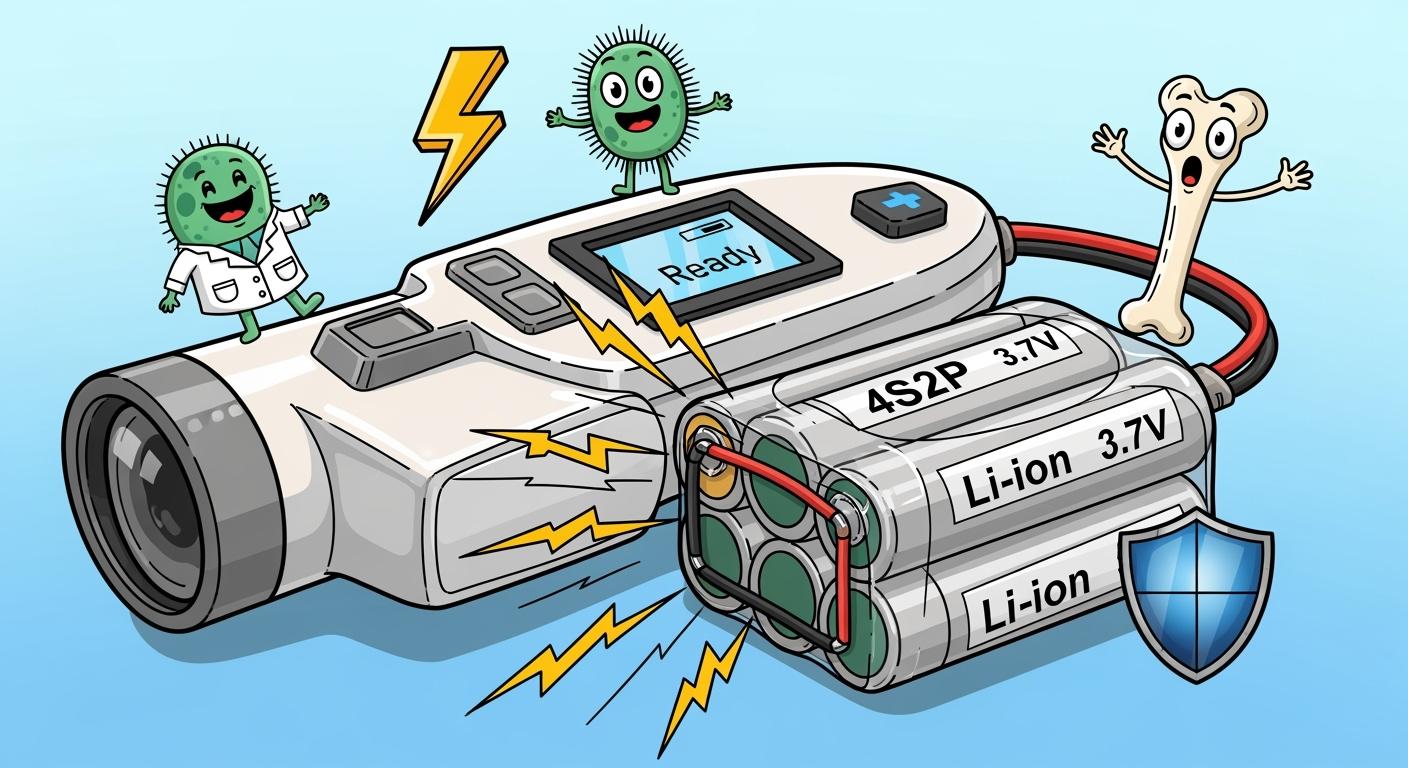
You play a critical role in advancing Medical imaging with handheld x-ray devices that depend on a reliable lithium battery system. High pulse current delivery ensures you achieve fast, consistent power for diagnostic precision. Safety design and mechanical robustness protect patients and staff, while custom solutions address unique application needs. The 4S2P configuration meets voltage and current demands in a compact footprint.
Factor Influencing Cost | Description |
|---|---|
Initial Investment Costs | The upfront costs associated with high-performance lithium battery systems. |
Pricing Trends | Changes in market prices due to technological advancements and demand. |
Perceived Value | How advanced features justify higher costs for buyers. |
Regulatory Compliance | Costs incurred to meet safety and environmental standards. |
Technological Integration | Expenses related to incorporating AI and automation into systems. |
The market for handheld x-ray diagnostic devices is projected to grow at a CAGR of 13% from 2021 to 2030.
Prioritize safety, robust mechanical design, and pulse current capabilities to overcome challenges in cell selection, battery management, and reliability.
Key Takeaways
Choose the right lithium cell chemistry to ensure high energy density and safety for handheld x-ray devices.
Implement robust battery management systems to prevent overheating and ensure reliable performance during medical procedures.
Prioritize safety standards and mechanical design to protect patients and staff while enhancing battery longevity.
Part1: Design Considerations for Lithium Battery System in Handheld X-Ray Devices
1.1 Cell Selection and Chemistry for X-Ray Applications
You need to select the right cells to ensure your lithium battery system delivers reliable power for handheld x-ray devices. The choice of cell chemistry directly impacts performance, safety, and lifespan. In medical imaging, you often see lithium-based chemistries such as Li/CFx and LiMnO2, which offer high energy density and power density. These chemistries support mission-critical applications like automated external defibrillators and bone-growth stimulators, where high pulse current and long lifespan are essential.
When comparing lithium-ion, lithium-polymer (LiPo), and other chemistries, you must consider their suitability for high pulse current and compact, lightweight construction. The table below summarizes key differences among common cell types used in portable medical applications:
Chemistry | Nominal Voltage (V) | Energy Density (Wh/kg) | Typical Cycle Life | Pulse Current Performance | Internal Link |
|---|---|---|---|---|---|
LCO (Lithium Cobalt Oxide) | 3.7 | 150-200 | 500-1,000 | Moderate | LCO |
NMC (Nickel Manganese Cobalt) | 3.6-3.7 | 150-220 | 1,000-2,000 | High | NMC |
LiFePO4 (Lithium Iron Phosphate) | 3.2 | 90-160 | 2,000-5,000 | Good | LiFePO4 |
LMO (Lithium Manganese Oxide) | 3.7 | 100-150 | 300-700 | High | LMO |
LTO (Lithium Titanate) | 2.4 | 70-80 | 5,000-10,000 | Excellent | LTO |
LiPo (Lithium Polymer) | 3.7 | 150-200 | 500-1,000 | Excellent | LiPo |
You should also compare Li-ion and LiPo cells for high pulse current applications. LiPo cells, optimized for pulse charging, deliver increased charge and energy efficiencies. In fact, LiPo cells can reduce charge time by up to 49% and increase energy efficiency by 12% compared to standard Li-ion cells. Li-ion cells, while common, may experience reduced efficiency under periodic pulse loads.
Battery Type | Performance under Pulse Conditions | Efficiency Impact | Charge Time Reduction | Energy Efficiency Increase |
|---|---|---|---|---|
Li-ion (Lithium-ion) | Adversely affected by periodic pulses | Reduced charge/discharge efficiency | Not specified | Not specified |
LiPo (Lithium-polymer) | Optimized for pulse charging | Increased charge/energy efficiencies | 49% | 12% |
You must prioritize high energy density, lightweight design, and robust cycle life to ensure your lithium battery system meets the rigorous demands of portable x-ray devices. Advanced CFx batteries can deliver up to eight times better performance in high-current scenarios, further supporting the need for a reliable power source in medical and industrial settings.
1.2 Mechanical Design and Battery Safety
Mechanical design plays a vital role in the safety and reliability of lithium batteries for handheld x-ray devices. You need secure battery holders that withstand shock and vibration, especially in portable medical applications. Temperature stability is crucial, as rapid temperature changes can affect battery performance and lifespan.
You must comply with strict industry standards to ensure safety and protection. The following table outlines core standards and requirements for lithium battery systems in major markets:
Market | Core Standards | Special/System Requirements | Testing Requirements |
|---|---|---|---|
US | IEC 62133, UL 2054, IEC 60601-1, ISO 13485 | Biocompatibility (ISO 10993-1), anti-counterfeiting, serialization | IEC 62133, IEC 60601-1 with test reports |
EU | MDR Basic Safety and Performance | ISO 13485 certified QMS | IEC 62133, IEC 60601-1 with medical requirements |
China | GB 9706.1-2020, GB 8897.4-2008, GB/T 28164-2011 | Compliance with electrical, mechanical, environmental, EMC | Charging evaluation under normal/fault conditions |
You must also address fire prevention and protection. Effective mechanisms include advanced battery management systems, thermal barrier coatings, non-flammable electrolyte additives, and improved battery pack design. Proper maintenance and storage further reduce the risk of thermal runaway, short-circuiting, and fire.
Mechanism | Description |
|---|---|
Advanced battery management systems | Monitor and control battery performance to prevent overheating and fire hazards. |
Thermal barrier coatings | Insulate cells to slow heat transfer and reduce thermal runaway risk. |
Non-flammable electrolyte additives | Suppress flammable gas formation and enhance thermal stability. |
Improved battery pack design | Use cooling systems and fire-resistant materials for enhanced safety. |
Proper maintenance and storage | Maintain and store batteries correctly to minimize fire risks. |
Tip: Always integrate safety circuits and robust protections into your lithium battery system to meet regulatory requirements and ensure patient safety.
You must also meet regulatory requirements such as UL 1642, UL 2054, UN/DOT 38.3, CE Marking, EN IEC 62485-5, GB 31241-2014, and CCC Certification. These standards address overheating, fire hazards, transportation safety, and quality management.
1.3 Custom Solutions and Electrical Load Matching
Custom battery solutions allow you to match the electrical load profiles of portable x-ray devices precisely. Customization ensures your lithium battery system aligns with the unique requirements of medical imaging, supporting reliability, safety, and efficiency. Rigorous testing validates performance and longevity, while compact design increases portability.
When designing custom battery packs, you must consider technical specifications such as charge accuracy, voltage accuracy, and the ability to meet voltage requirements for the x-ray source. Quiescent current and leakage during standby mode can significantly impact battery runtime and overall efficiency.
Component | Functionality |
|---|---|
X-ray Source Power Supply | Boosts battery voltage (14.4V or 18V) to high voltage (50kV to 100kV) for x-ray generation. |
Customization options align with the specific requirements of handheld x-ray diagnostic devices.
Reliability through rigorous testing ensures optimal performance and longevity.
Safety standards are prioritized to protect patient health.
Compact design allows for increased portability and efficiency in medical devices.
You should consult with experienced battery pack manufacturers to develop solutions that meet the demands of medical, robotics, and industrial sectors. Custom lithium battery systems provide the flexibility and protection needed for mission-critical applications, supporting long lifespan and consistent performance.
Note: Custom battery design not only improves electrical load matching but also enhances safety, capacity, and overall system longevity.
Part2: Performance Optimization and Reliability of Lithium Batteries
2.1 Battery Management System for Handheld X-Ray Devices
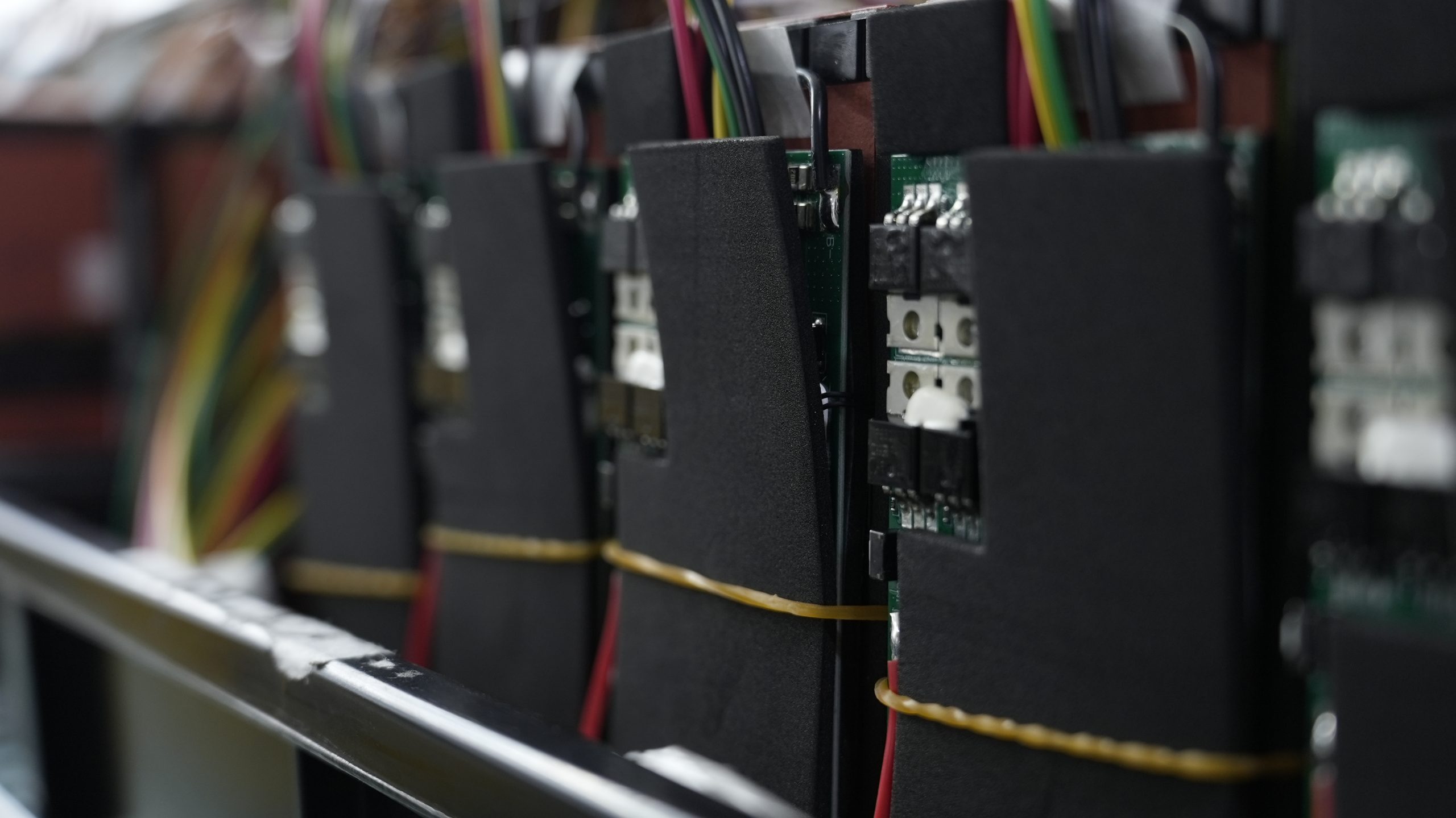
You rely on a robust battery management system (BMS) to ensure the safety and reliability of lithium batteries in portable x-ray devices. A BMS, such as those detailed at Large Battery BMS and PCM, monitors each cell’s voltage, temperature, and current. This oversight prevents overcharging, overheating, and other hazards that can compromise medical device performance. The table below outlines key regulatory requirements for BMS in medical and mission-critical applications:
Standard | Requirement |
|---|---|
VDE‐AR‐E 2510‐50 | Monitor individual cell voltages, system current, and cell temperatures |
DIN EN 50604‐1 | Monitor all battery cell voltages |
DIN EN IEC 62485‐6 | Monitor voltage and temperature at cell level, current at cell and pack levels |
DIN EN IEC 63115 | Control current during charging/discharging, ensure safe state if limits are exceeded |
IEC 61508 | Define safety integrity for current interruption |
Advanced BMS technology provides overcharge and over-discharge protection, rigorous testing, and compliance with strict medical standards. You gain confidence that your battery system will deliver consistent power and high energy density for every x-ray procedure.
2.2 Thermal Management for High Pulse Current
Thermal management is essential when you design lithium batteries for portable x-ray devices. High pulse current operation can generate significant heat, which affects cells and overall battery performance. Common causes of thermal runaway include overcharging, over-discharging, and internal short circuits. External factors such as high temperatures or mechanical abuse also increase risk. You should integrate temperature sensors, cooling materials, and robust pack design to maintain safe operating conditions. Effective thermal management preserves the lightweight structure and capacity of your battery system, supporting reliable medical imaging.
Tip: Always monitor temperature at the cell level to prevent overheating and extend battery life.
2.3 Cycle Life and Maintenance Best Practices
You can maximize the cycle life of lithium batteries—typically ranging from 500 to 2000 cycles in handheld x-ray devices—by following best practices. Use medical-grade cells and align BMS setup with voltage and capacity requirements. Protect battery housing during transport and storage. Employ real-time BMS monitoring to avoid overuse. Install batteries according to manufacturer guidelines and inspect regularly for leaks, swelling, or performance decline. Pulsed current charging reduces electrode stress, helping maintain long-term reliability and power output for mission-critical applications.
Note: Regular maintenance and proper design choices ensure your lithium battery system remains safe, efficient, and ready for demanding medical environments.
You should prioritize these key recommendations when designing lithium battery systems for handheld X-ray devices:
Recommendation | Description |
|---|---|
Safety Standards | Meet medical safety standards to reduce risks in critical care environments. |
Battery Management Systems | Use smart BMS to prevent overheating, overcharging, and short circuits. |
Reliable Power Supply | Ensure dependable operation for uninterrupted patient care. |
Smart battery technologies and high-capacity designs will soon boost efficiency and reliability in medical imaging. Always follow safe recycling and disposal practices to protect health and the environment.
FAQ
What makes a 4S2P lithium battery system ideal for handheld medical X-ray devices?
You benefit from a 4S2P system because it delivers stable voltage, high pulse current, and compact size. This configuration supports demanding medical imaging and ensures reliable battery performance.
How do you ensure battery safety and compliance in medical applications?
You must select certified cells, follow international standards, and use advanced management systems. Large Power offers custom battery solutions that meet strict medical safety requirements.
Can you customize lithium battery packs for unique medical or industrial needs?
You can request custom battery packs tailored to your voltage, current, and cycle life needs. Large Power provides expert consultation for medical, robotics, and industrial sectors.


