

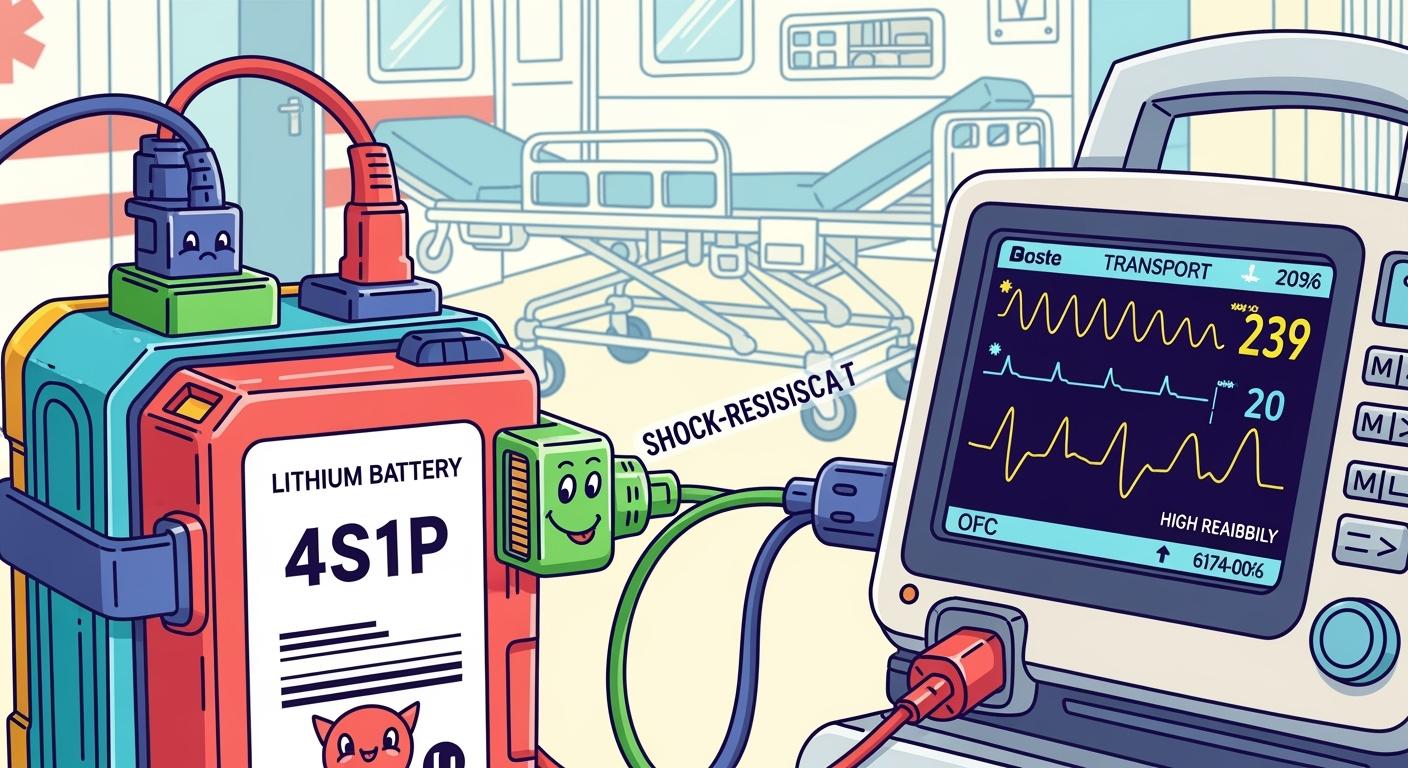
You rely on a medical lithium battery pack for critical transport monitors in demanding medical environments. Shock resistance and high-reliability connectivity set this battery apart, ensuring uninterrupted operation. The 4S1P configuration adapts to diverse medical devices and complies with industry standards.
Key Takeaways
Choose 4S1P medical lithium battery packs for reliable power in transport monitors. Their shock resistance ensures devices remain operational during patient transport.
Look for batteries with high energy density and lightweight design. These features enhance portability and reduce fatigue for medical staff.
Ensure compliance with industry standards when selecting battery packs. This guarantees safety and reliability, crucial for patient care in medical environments.
Part1: 4S1P Medical Lithium Battery Basics
1.1 4S1P Structure and Voltage Range
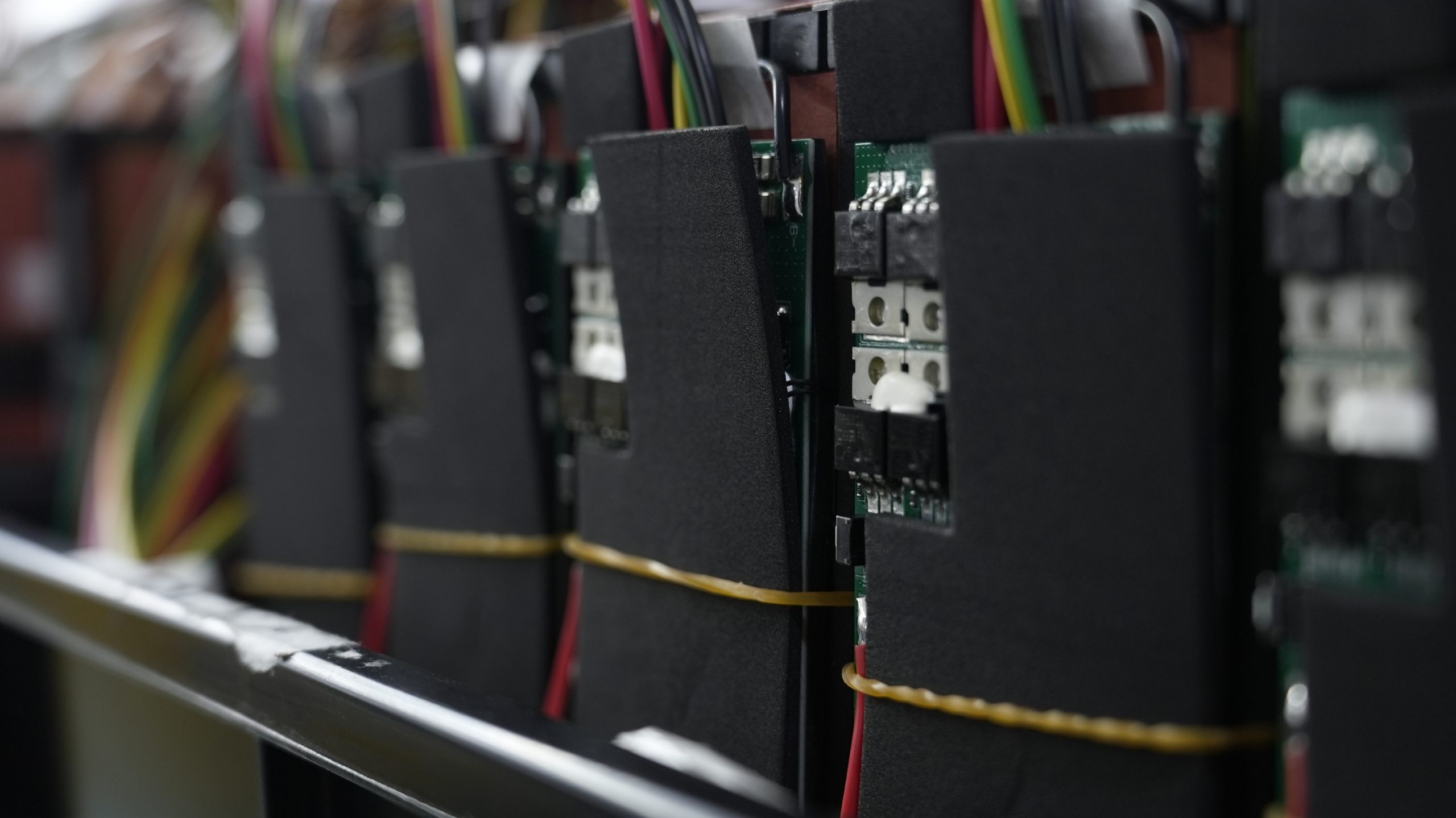
You encounter the 4S1P configuration frequently in medical lithium battery packs for transport monitors. This structure consists of four cells connected in series, delivering a stable voltage output. The single parallel arrangement supports high capacity, which is essential for medical device batteries. Here is a quick overview of the typical voltage and capacity ranges you find in these lithium-ion battery packs:
Voltage | Capacity |
|---|---|
14.4V | 2.88Ah |
14.8V | 2.6Ah |
This setup ensures reliable power for medical devices during patient transport. The 4S1P configuration provides a platform voltage of 16.8V, which matches the requirements of most medical device batteries. You benefit from consistent energy delivery and extended runtime, which are critical in medical environments.
Tip: The 4S1P structure supports robust performance and simplifies integration with advanced battery management systems (BMS).
1.2 Application in Medical Device Batteries
You use lithium-ion battery packs in various medical applications. The 4S1P medical lithium battery powers backup systems for critical equipment, telecommunications, and emergency lighting. Leading brands such as Mindray, Marquette, and Edan design their transport monitors to work seamlessly with these medical device batteries.
Common use cases include:
Infusion pumps for accurate medication delivery during transport
Portable oxygen concentrators for extended operation in travel or home care
Telemetry and patient monitoring systems for reliable function during outages or field operations
You choose the 4S1P medical lithium battery for its lightweight design, high energy density, and compatibility with portable medical devices. This configuration ensures your equipment remains operational in demanding medical settings.
Part2: Shock Resistance and Connectivity
2.1 Shock Resistance in Medical Lithium Battery Packs
You face demanding transportation environments in medical settings. Devices must withstand vibration, drops, and sudden impacts. Medical lithium battery packs play a critical role in maintaining device integrity and patient safety. Industry standards require rigorous safety testing for medical device batteries. These standards include shock resistance, stress testing, and compliance with transportation regulations.
Requirement Type | Description |
|---|---|
Patient Safety | Battery failure could lead to loss of life support, shocks, overheating, or internal burns. |
Regulatory Scrutiny | Medical devices must comply with FDA, ISO, IEC, and industry standards. Battery modules are included in this system. |
Stress / Abuse Testing | Medical battery packs must endure tests beyond normal conditions, including shock testing. |
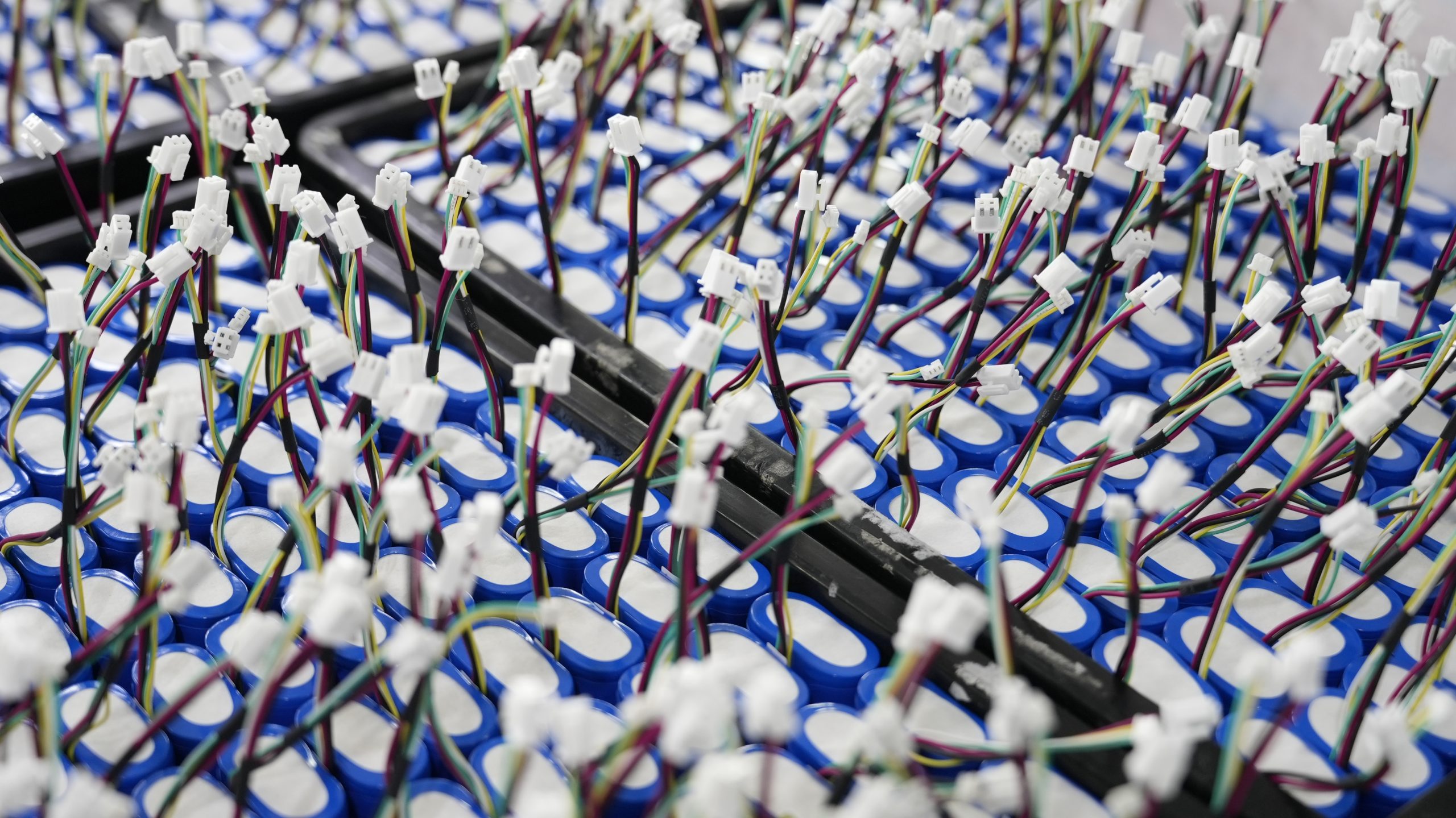
You must select medical lithium battery packs that meet these regulations. Manufacturers design battery enclosures with reinforced casings and shock-absorbing materials. These features protect lithium-ion batteries from mechanical stress during transportation. Safety testing ensures that medical device batteries remain operational even after accidental drops or collisions. You reduce the risk of device failure and improve patient outcomes by choosing battery packs that pass these tests.
Note: Compliance with transportation regulations and safety testing is not optional. You must verify that every battery pack meets these requirements before deployment.
2.2 High-Reliability Connectivity for Medical Devices
You depend on high-reliability connectivity to maintain stable power delivery and uninterrupted monitoring. Medical device batteries must provide consistent energy output and seamless communication with portable monitors. The high energy density and stability of lithium-ion batteries enable reliable operation in transportation scenarios.
Reliable power sources support continuous monitoring and data transmission.
Consistent performance is essential for remote monitoring and health data collection.
Real-time data transmission is possible through wireless connectivity options such as Bluetooth or Wi-Fi.
USB-C Power Delivery supports up to 100 watts through a single cable, making it ideal for portable medical monitors.
Multiple input options, including HDMI and DisplayPort, increase versatility and compatibility with field diagnostic equipment.
Secure and durable connector types ensure reliable connections in unstable transportation environments.
Compatibility with USB-PD is crucial for reliable operation. Older devices may not provide sufficient power for larger displays, impacting performance.
You must evaluate medical device batteries for their ability to support wireless and wired connectivity. These features allow you to set up portable monitoring systems quickly and minimize delays during patient transportation. You benefit from rapid deployment and reduced cable clutter, especially when wireless networks are available.
Tip: When selecting medical lithium battery packs, prioritize models with robust connector types and support for wireless display capability. This ensures compliance with transportation regulations and enhances device reliability.
2.3 Real-World Benefits for Transport Monitors
You experience several practical benefits when using shock-resistant and high-connectivity medical lithium battery packs in transportation. These advantages directly impact patient safety, device longevity, and operational efficiency.
Feature | Benefit |
|---|---|
Long-life internal battery | Extended operation without external power |
Support for external battery packs | Flexible recharging/powering options |
Low power consumption design | Maximizes operational time on battery |
Clear battery status indicator | Allows for timely recharging or power source switching |
Multiple robust physical input ports | Compatibility with diverse field diagnostic equipment |
Secure and durable connector types | Reliable connections in unstable environments |
Simple, quick connection process | Rapid setup, minimizing delays |
Secure wireless display capability | Reduces cable clutter if a stable local network can be established |
The Stryker 7215-000-000 SmartLife Large Battery Pack is noted for its reliability, with a history of zero over-temperature incidents and 143 successful uses, ensuring that medical devices operate continuously. This uninterrupted operation is vital for patient safety during emergencies.
The battery pack’s ability to support continuous operation of medical devices is essential in critical situations, thereby enhancing patient care.
You ensure uninterrupted monitoring during transportation by choosing advanced medical lithium battery packs. You protect patient safety and comply with transportation regulations. You also extend device life and reduce maintenance costs. Wireless connectivity and robust input ports allow you to adapt quickly to changing medical scenarios. You maintain high standards for medical device batteries and improve outcomes for patients in transit.
If you want to learn more about battery management systems (BMS) and their role in medical lithium battery packs, visit BMS and PCM.
Part3: Additional Advantages and Selection Tips
3.1 Lightweight and Long Cycle Life
You benefit from medical device batteries that feature a lightweight design and long cycle life. These packs use lithium-ion chemistry, which offers high energy density and reduces the overall weight of portable medical device batteries. You can transport equipment easily and minimize fatigue for medical staff during patient transfers. The average cycle life of a 4S1P medical lithium battery pack reaches 1000 cycles, supporting frequent use in clinical environments. This durability ensures your pack delivers reliable performance over extended periods, reducing replacement costs and downtime.
You improve operational efficiency by choosing packs with lightweight construction and robust cycle life. These features help you maintain continuous patient monitoring and support critical care applications.
3.2 Compliance and Maintenance for Medical Device Batteries
You must select medical device batteries that comply with strict industry standards. Each pack undergoes comprehensive testing to meet the criteria in part III, sub-section 38.3 of the UN Manual of Tests and Criteria. Manufacturers keep detailed records of testing completion and provide summaries with manufacturer details, laboratory information, and test results.
Requirement | Description |
|---|---|
Testing Compliance | Each lithium cell or battery must meet UN 38.3 criteria. |
Record Keeping | Manufacturers maintain records of testing completion for transportation. |
Test Summary | Includes manufacturer, laboratory, and test results. |
Manufacturers also perform ongoing safety tests, including altitude simulation, thermal stability, vibration, shock, external short circuit, impact/crush, overcharge, and forced discharge. These tests ensure your pack remains safe and reliable during transport.
To maximize the lifespan of your medical device batteries, you should follow best practices:
Store packs in cool, dry places.
Keep packs at 50% charge for long-term storage.
Check packs regularly and recharge as needed.
Avoid inactivity by cycling packs occasionally.
Prevent physical damage and use protective covers.
Store packs in non-conductive containers and well-ventilated areas.
You extend the life of your pack and maintain compliance by following these maintenance steps. Reliable medical device batteries support uninterrupted patient care and reduce operational risks.
You gain unmatched reliability for transport monitors by choosing 4S1P medical lithium battery packs. Shock resistance and high-reliability connectivity support continuous medical monitoring. Review the table below to see why these packs excel in medical environments:
Characteristic | Value |
|---|---|
Cycle Life | 3000–5000 |
Energy Efficiency | 96–98% |
Maintenance | None |
You ensure patient safety and device uptime with every battery. Evaluate your current medical battery solutions or consult experts for custom medical battery solutions at custom battery consultation.
FAQ
What makes Large Power’s lithium battery packs suitable for portable devices in medical transport?
You benefit from robust shock resistance, high energy density, and reliable connectivity. Large Power customizes solutions for portable devices, ensuring compliance and uninterrupted operation.
How do wireless medical device batteries improve remote monitoring of health monitoring equipment?
You gain continuous data transmission and flexible deployment. Wireless medical device batteries support portable devices, enabling real-time updates and reliable connectivity for remote monitoring of health monitoring equipment.
Can lithium battery packs from Large Power be used in devices across different sectors?
You deploy these packs in medical, robotics, security systems, infrastructure, consumer electronics, and industrial devices. Large Power designs lithium battery packs for portable devices with high cycle life and platform voltage.


