

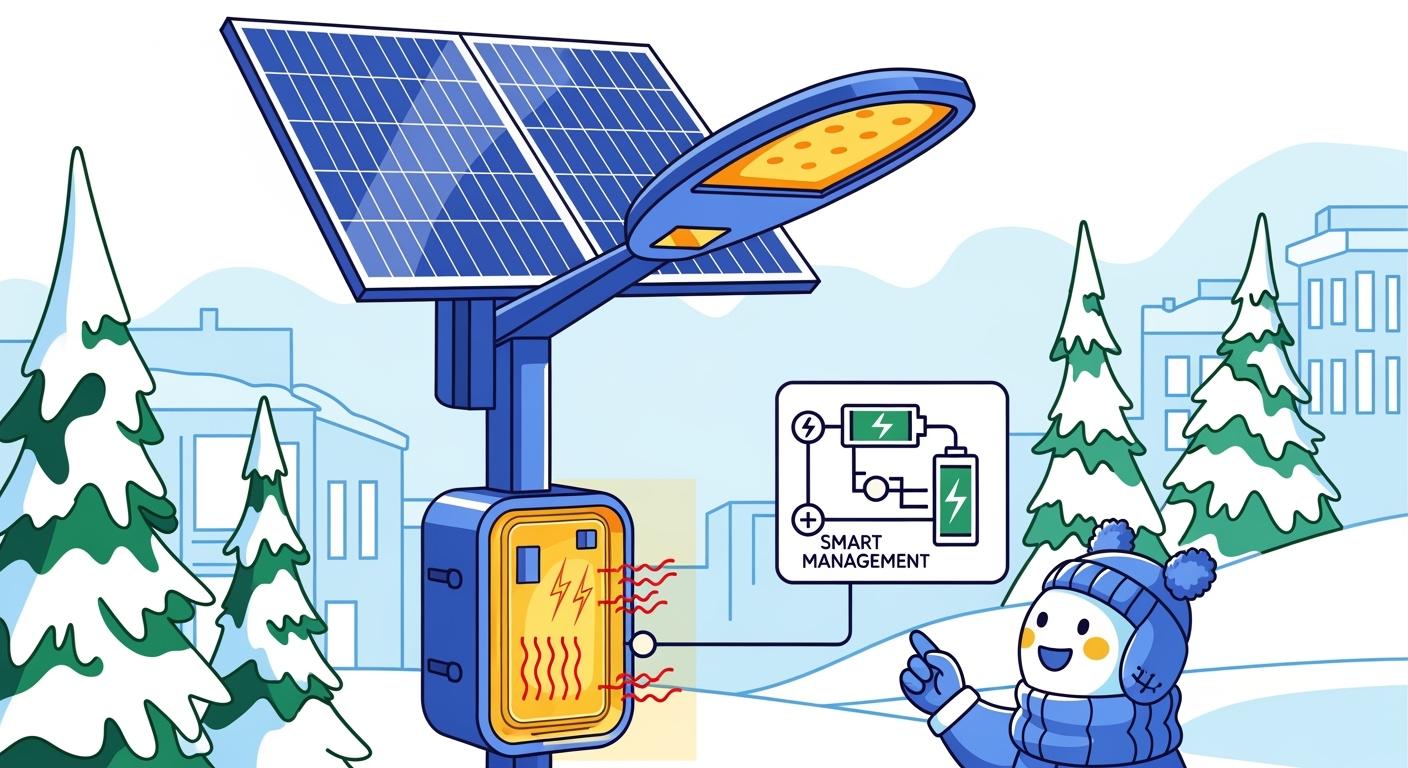
When you need reliable outdoor lighting in harsh winter conditions, the performance of your solar street light battery pack becomes critical. LiFePO4 batteries, robust battery management systems, and integrated heating solutions each play a vital role in ensuring consistent operation during subzero temperatures.
Component | Contribution to Reliability in Subzero Temperatures |
|---|---|
LiFePO4 Batteries | Retain significant capacity in cold conditions, ensuring energy availability. |
Battery Management Systems | Optimize performance and prevent damage from low temperatures, enhancing overall reliability. |
Heating Systems | Maintain optimal operating temperatures, improving battery performance and energy delivery. |
You benefit from advanced systems that monitor temperature, adjust charging, and use minimal energy for heating, resulting in up to 20% capacity gains in freezing weather. As a decision-maker, you gain a competitive edge by selecting solutions with proven durability and intelligent controls.
Key Takeaways
LiFePO4 batteries excel in cold climates, maintaining up to 70% capacity at subzero temperatures, ensuring reliable energy for solar street lights.
Integrating heating solutions, like heating pads and thermal blankets, prevents battery freezing and enhances performance during harsh winter nights.
Advanced Battery Management Systems (BMS) protect against overcharging and optimize battery life, extending cycles by 40-60% in cold conditions.
Proper insulation and enclosure designs are crucial for protecting battery packs from extreme cold, ensuring consistent operation and longevity.
Regular maintenance and smart monitoring systems help track performance and predict issues, reducing downtime and enhancing reliability in critical applications.
Part1: Cold Climate Challenges
1.1 Effects on Lithium Batteries
You face unique challenges when deploying lithium battery packs in cold climates. Temperatures below 0 °C cause a sharp reduction in battery capacity and a decline in cycle life. This happens because lithium ion diffusion slows down and internal resistance increases. For example, a LiFePO4 cell rated at 100% capacity at 25 °C may only deliver about 50% at -18 °C. At -20 °C, most lithium batteries provide 80% or less of their rated capacity. These effects can lead to security risks and irreversible side reactions during charging and discharging, which further reduce battery lifespan.
Tip: You can learn more about the science behind these effects in Nature’s review on lithium battery performance in cold environments.
At low temperatures, the activity of the cathode material decreases.
Lithium ion mobility drops, which reduces discharge current.
LiFePO4 batteries may only provide 50-70% of their rated capacity below 0 °C.
1.2 Impact on Solar Street Light Systems
Cold weather impacts the overall energy output and reliability of your Solar Street Light installations. Snow can accumulate on solar panels, blocking sunlight and reducing energy generation. Shorter daylight hours in winter also limit the energy available for charging batteries. Decreased battery efficiency means less energy storage and a higher risk of lighting outages, especially in critical infrastructure or industrial settings.
Challenge | Impact on Solar Street Lights | Solution |
|---|---|---|
Snow accumulation on panels | Obstructs sunlight, hindering energy generation | Use smooth, angled surfaces on panels to help snow slide off easily. |
Reduced sunlight hours | Limits available energy for generation | Equip with anti-reflective coatings to enhance light absorption. |
Decreased battery efficiency | Reduces energy storage and output, risking darkness in areas | Utilize high-quality lithium-ion batteries with battery management systems. |
1.3 Common Failure Modes
You should watch for several common failure modes in lithium battery packs used in Solar Street Light systems:
Capacity reduction due to poor lithium ion transfer at low temperatures.
Security issues from increased internal resistance and side reactions.
Sharp decline in cycle life, especially below 0 °C.
System failures caused by snow-covered panels or insufficient battery heating.
Note: High-quality battery management systems and thermal insulation can help prevent these failures and extend the service life of your Solar Street Light installations.
Part2: Solar Street Light Battery Pack Design
2.1 LiFePO4 Battery Benefits
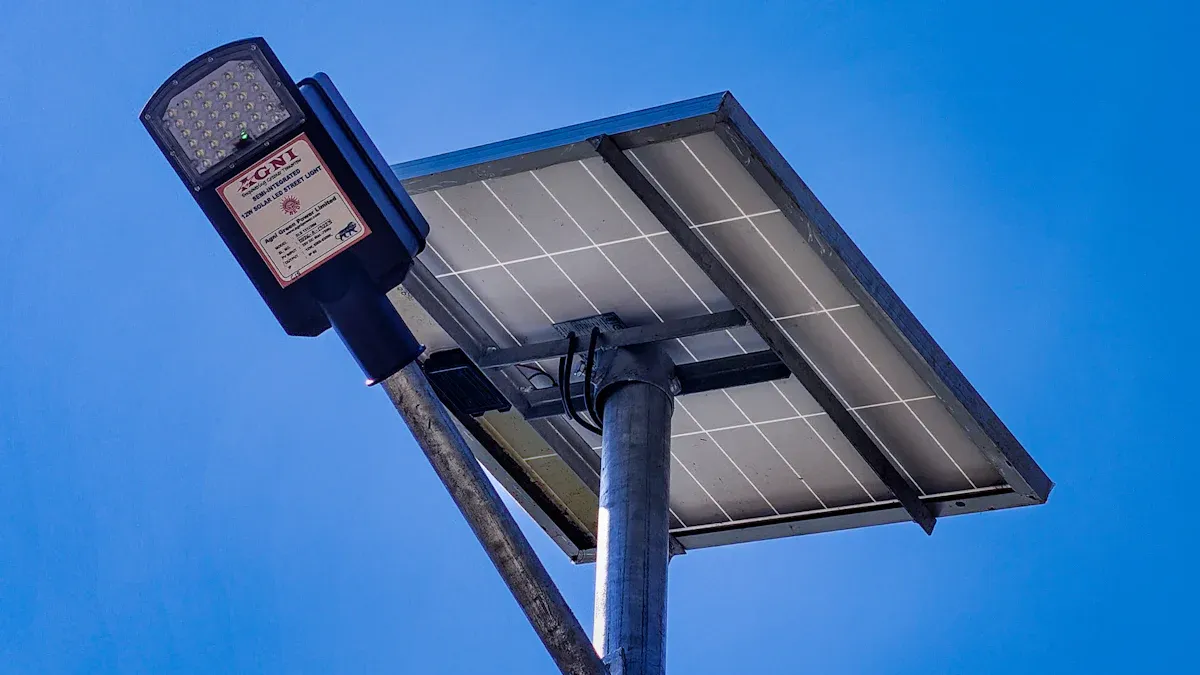
You gain several advantages when you choose LiFePO4 batteries for Solar Street Light systems in cold climates. These batteries offer superior safety, long cycle life, and reliable performance at low temperatures. LiFePO4 chemistry stands out compared to NMC, LCO, and LMO, especially for infrastructure, security, and industrial applications.
Advantage | Description |
|---|---|
Safety | LiFePO4 batteries have a lower risk of thermal runaway, enhancing safety for outdoor applications. |
Longevity | These batteries are designed for long-term use, making them ideal for solar street lights. |
Temperature Suitability | Equipped with a Battery Management System (BMS) that monitors temperatures, ensuring reliable operation in cold climates. |
You can see how LiFePO4 compares to other lithium chemistries in the table below:
Feature | LiFePO4 Batteries | NMC Batteries | LCO Batteries | LMO Batteries |
|---|---|---|---|---|
Platform Voltage | 3.2V | 3.7V | 3.7V | 3.7V |
Energy Density | 90-160 Wh/kg | 150-220 Wh/kg | 100-180 Wh/kg | 100-150 Wh/kg |
Cycle Life | 2000-5000 cycles | 1000-2000 cycles | 500-1000 cycles | 300-700 cycles |
Safety at Low Temp | Enhanced safety, reduced thermal runaway | Moderate safety | Higher risk of thermal runaway | Moderate safety |
Performance at Low Temp | Maintains ionic conductivity, reduced resistance | Moderate performance | Performance significantly drops | Performance drops |
Tip: LiFePO4 batteries have robust thermal stability and high tolerance to temperature variations. The structure minimizes dendrite formation, which enhances safety and reliability for Solar Street Light installations in cold regions.
2.2 Enclosure and Insulation
You must protect your battery packs from extreme cold to maintain efficiency and extend their lifespan. Insulated enclosures play a key role in this process. You can use materials like polyurethane foam or fiberglass to create a thermal barrier around the batteries. Heating pads or active thermal regulation systems help keep batteries warm during freezing nights.
Insulated enclosures maintain stable temperatures, especially in cold regions.
Heating pads or active thermal regulation keep batteries within optimal operating ranges.
Battery Management Systems (BMS) prevent charging at low temperatures, protecting batteries from damage.
Insulation serves as a safety feature, extending the lifespan of Solar Street Light batteries.
Note: Insulation is essential for medical, robotics, and security applications where uninterrupted power is critical. You ensure consistent performance by using high-quality insulation and enclosure designs.
2.3 System Integration
You achieve optimal performance in cold climates by integrating battery packs with Solar Street Light systems using best practices. Insulating the batteries is essential for maintaining efficiency during winter. Effective insulation protects batteries from the cold, ensuring they store and supply energy for consistent illumination.
Battery Management Systems (BMS) monitor voltage, temperature, and current, ensuring safe operation in harsh weather.
Maximum Power Point Tracking (MPPT) technology optimizes solar energy capture, adapting to changing weather conditions.
LiFePO4 batteries maintain stable capacity in extreme temperatures, making them preferred for outdoor lighting in infrastructure and industrial settings.
IP65-rated enclosures protect batteries from dust and water, ensuring long-term stability.
Callout: You can maximize reliability by combining robust battery chemistry, advanced BMS, and effective insulation. These strategies help Solar Street Light systems deliver consistent lighting for infrastructure, security, and industrial applications, even in harsh winter conditions.
Part3: Heating and BMS Optimization
3.1 Battery Heating Solutions
You need to maintain optimal battery temperatures to ensure reliable performance in cold climates. LiFePO4 battery packs often lose capacity and efficiency when exposed to freezing conditions. You can address this challenge by integrating effective heating solutions into your Solar Street Light systems.
Heating pads provide direct warmth to the battery cells, preventing freezing and enabling full performance.
Passive warm-up loads gently raise battery temperature before operation, reducing the risk of damage.
Thermal blankets wrap around the battery pack, offering insulation and pre-heating benefits before charging.
Internal heating systems activate automatically, maintaining ideal battery temperatures without manual intervention.
Pre-heating systems bring batteries to optimal operating conditions, ensuring maximum capacity and safe charging.
You can combine these heating methods to protect lithium battery packs in infrastructure, security, and industrial applications. Heating solutions help you avoid downtime and extend battery life, especially during harsh winter nights.
3.2 BMS for Cold Weather
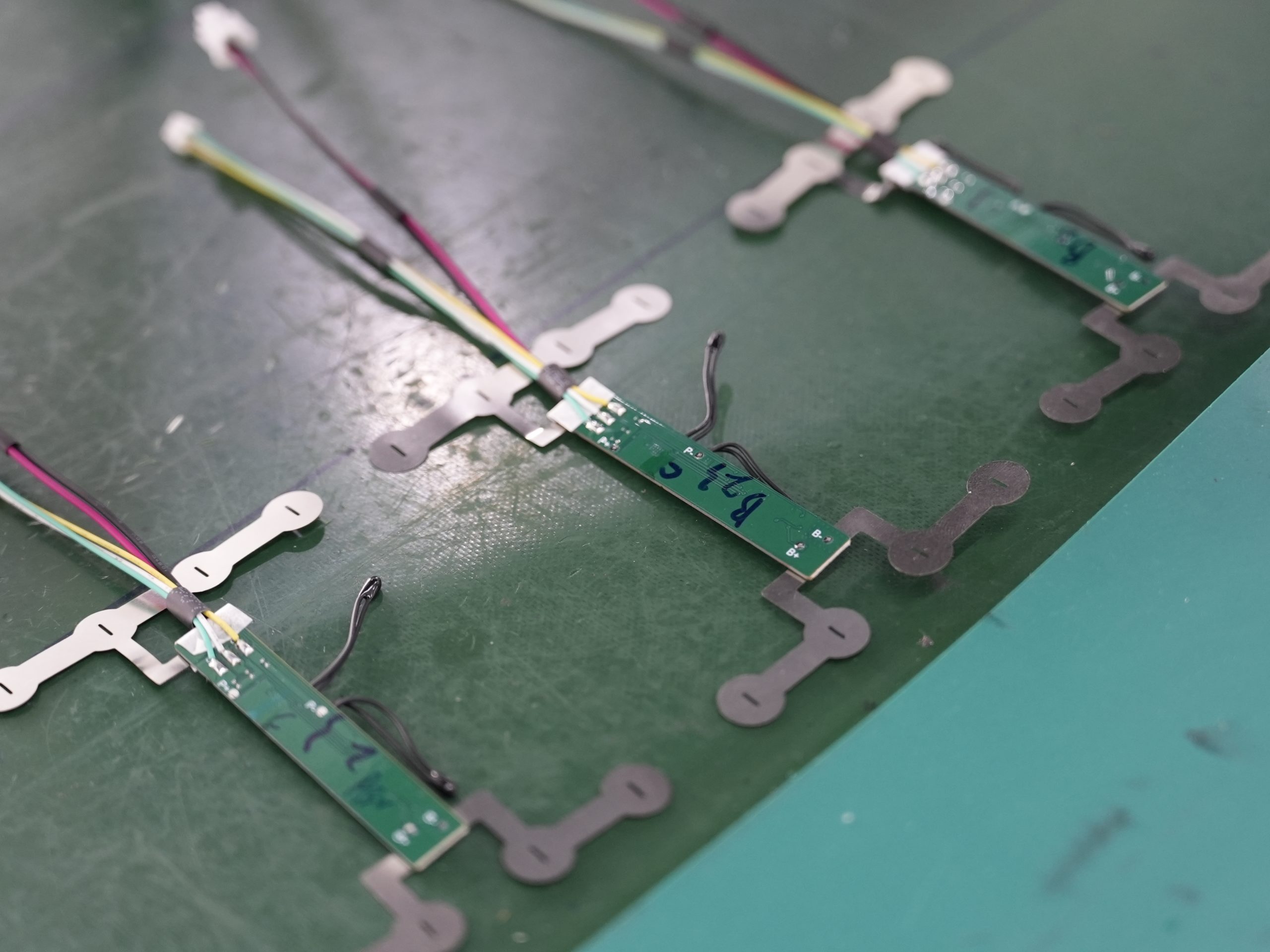
A robust Battery Management System (BMS) is essential for optimizing LiFePO4 battery performance in subzero temperatures. You gain advanced protection and control features that safeguard your battery packs and maximize their lifespan. The following table outlines key BMS features for cold climate applications:
Feature | Description |
|---|---|
Overvoltage Protection | Stops charging if voltage exceeds the safe limit. |
Undervoltage Protection | Prevents excessive discharge to avoid damage. |
Overcurrent Protection | Prevents sudden spikes in current draw. |
Short-Circuit Protection | Disconnects the battery in case of a short circuit. |
Overtemperature Protection | Halts operations if the battery overheats. |
Temperature Control | Controls heating and cooling to prevent freezing or overheating, ensuring safe operation. |
Balancing Mechanisms | Equalizes charge among cells to optimize lifetime and performance, crucial in low temperatures. |
You can learn more about advanced BMS solutions in our Battery Management System overview.
Advanced BMS algorithms deliver significant benefits for lithium battery packs in cold climates:
Extend battery cycle life by 40-60%, reducing replacement frequency.
Lower annual maintenance costs by over 35%, improving operational efficiency.
Prevent battery failures that could lead to fire risks, which is critical for security and infrastructure applications.
Dynamically adjust charging strategies, improving solar charging efficiency by 15-20%.
Achieve over 3000 cycles for LiFePO4 batteries, compared to 1000-1500 cycles without BMS.
You ensure safe and reliable operation for Solar Street Light systems by selecting battery packs with advanced BMS features. These systems are vital for medical, robotics, and industrial deployments where uninterrupted power is required.
3.3 Smart Monitoring
Smart monitoring systems enhance the reliability and efficiency of lithium battery packs in cold climates. You benefit from real-time data and automated controls that optimize energy use and predict maintenance needs.
Benefit | Description |
|---|---|
Enhanced Battery Management | Smart systems help in monitoring battery health and performance, crucial in cold climates. |
Improved Energy Efficiency | Systems can optimize energy use, which is vital when solar energy is limited in winter. |
Adaptation to Environmental Conditions | Smart monitoring allows for adjustments based on temperature fluctuations, ensuring reliability. |
You gain several advantages from smart monitoring:
Smart controls manage energy consumption, using automated dimming and motion sensing to reduce power usage.
Remote monitoring capabilities allow you to track system health and performance from anywhere.
Real-time alerts notify you of battery, LED, or sensor failures, enabling rapid response and minimizing downtime.
Diagnose performance, energy availability, and system health remotely, reducing repair costs.
Analyze reductions in PV current and voltage, compare actual power generation with theoretical irradiance, and monitor nighttime depth of discharge.
Identify abnormal MPPT behavior and detect when panels stop charging due to contamination, shading, or damage.
Track accelerated battery degradation and receive alerts if the luminaire does not switch on as scheduled.
Optimize logistics by dispatching service teams only for confirmed faults, reducing downtime through remote adjustments and extending asset lifetime.
You improve reliability and reduce operational costs by implementing smart monitoring in Solar Street Light battery packs. Predictive maintenance and real-time data help you maintain safety and performance in infrastructure, security, and industrial applications.
Part4: Real-World Solar Street Light Applications
4.1 Case Studies
You can see how Solar Street Light battery packs perform in cold climates by examining real-world deployments. These systems support infrastructure, security, and industrial applications where reliability is essential. The following table highlights adaptations in three regions:
Location | Adaptation Description |
|---|---|
Siberia | Uses silicon-carbon composite anodes to retain over 70% battery power at -30°C. |
Yukon | Employs paraffin microcapsules to prevent battery freezing. |
Alaskan Arctic Circle | Implements smart heating systems to extend light lifespan three times longer in -45°C. |
Performance metrics from these deployments show how advanced battery management and heating solutions improve reliability:
Metric | Description |
|---|---|
Light intensity regulation | |
Battery usage optimization | Uses advanced algorithms to adapt lighting to real-time needs. |
Charge-discharge cycle management | Extends battery life and ensures maximum efficiency. |
Adjusts energy consumption in winter to maintain lower-intensity light for extended autonomy. | |
Reliability in harsh climates | UP2 solar street lights in Ormont-Dessous continue functioning well after nearly 10 years. |
Performance in extreme conditions |
You benefit from these proven adaptations, especially in industrial and security environments where uninterrupted lighting is critical.
4.2 Lessons Learned
You can apply several best practices to ensure long-term reliability of Solar Street Light systems in cold climates:
Efficiency of solar panels in cold weather improves energy production since panels collect energy from light, not heat.
Specialized batteries, such as NiMH or LiFePO4, maintain efficiency and reliability during extreme temperatures.
Accurate sizing of solar system components supports sustainability and performance during long winter nights.
You achieve reliable operation by following these practices. Regular maintenance and proper system design help you deliver consistent lighting for infrastructure, security, and industrial applications, even in the harshest winter conditions.
You achieve reliable performance in cold climates by selecting LiFePO4 battery packs with robust design, integrated heating, and advanced BMS. These features reduce maintenance costs and extend cycle life, supporting critical infrastructure and industrial applications. Consider the following key factors:
Evaluate battery packs for certifications like CE, RoHS, and ISO9001. Request warranty terms of five years or more and ensure strong after-sales support. Test low-temperature behavior and cycle profiles before procurement.
FAQ
What makes LiFePO4 battery packs ideal for solar street lights in cold climates?
LiFePO4 batteries offer enhanced safety, long cycle life, and stable performance at low temperatures. You benefit from platform voltage of 3.2V, energy density of 90-160 Wh/kg, and up to 5000 cycles. See our battery chemistry comparison table.
How does the Battery Management System (BMS) improve reliability in freezing conditions?
You gain protection from overcharging, overheating, and low-temperature charging. Advanced BMS features optimize battery performance and extend cycle life.
Are these battery packs compliant with sustainability and conflict mineral standards?
You ensure compliance with CE, RoHS, and ISO9001 certifications. Our packs avoid conflict minerals and support sustainable sourcing. For details, visit our sustainability policy.
What heating solutions can you integrate for reliable operation in subzero temperatures?
You can use heating pads, thermal blankets, or internal heating systems. These solutions maintain optimal battery temperature and prevent capacity loss. Heating systems activate automatically, ensuring consistent performance.
Which industries benefit most from all-in-one solar street light battery packs?
Medical, robotics, security, infrastructure, and industrial sectors rely on these battery packs for uninterrupted outdoor lighting. You achieve robust performance and reduced maintenance in demanding environments.


