

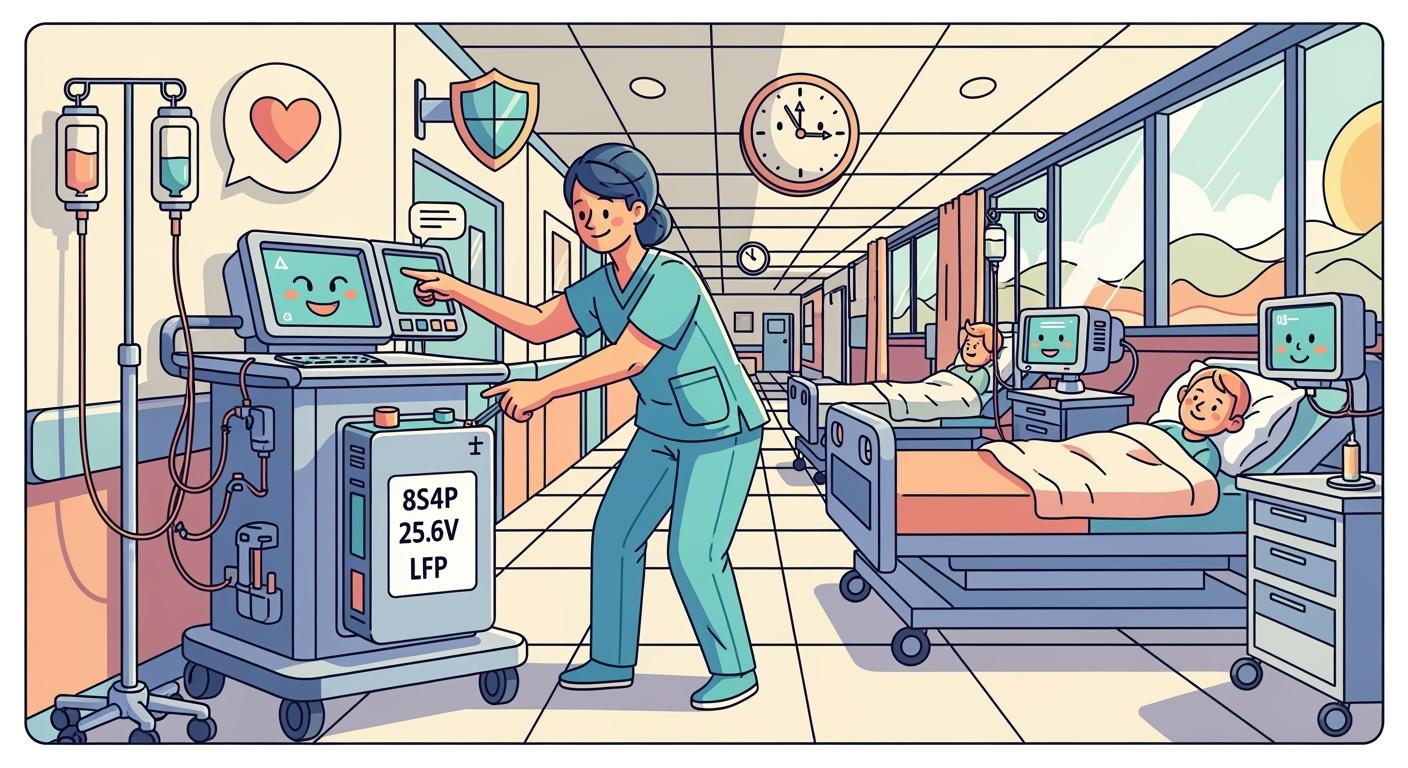
You see the financial benefits when you choose 8S4P 25.6V LiFePO4 batteries for medical carts. These lithium battery packs help you cut long-term costs and boost reliability in hospital environments. You notice stable power delivery, less frequent maintenance, and smoother cart movement. With the ROI of 8S4P Batteries, you improve safety and operational efficiency compared to older battery technologies.
Key Takeaways
8S4P 25.6V LiFePO4 batteries offer long cycle life, lasting between 2,000 to 5,000 cycles, which reduces the need for frequent replacements.
These batteries enhance safety in hospitals by resisting overheating and minimizing fire risks, ensuring reliable operation for critical medical equipment.
Using LiFePO4 batteries lowers maintenance costs due to fewer service calls and no need for regular water refills, allowing staff to focus on patient care.
The lightweight design of LiFePO4 batteries improves cart maneuverability, increasing productivity and reducing workflow interruptions in busy hospital environments.
Investing in 8S4P batteries may have a higher upfront cost, but the long-term savings from reduced replacements and maintenance make them a smart choice for healthcare facilities.
Part1: 8S4P 25.6V LFP Battery Overview
1.1 Configuration and Chemistry
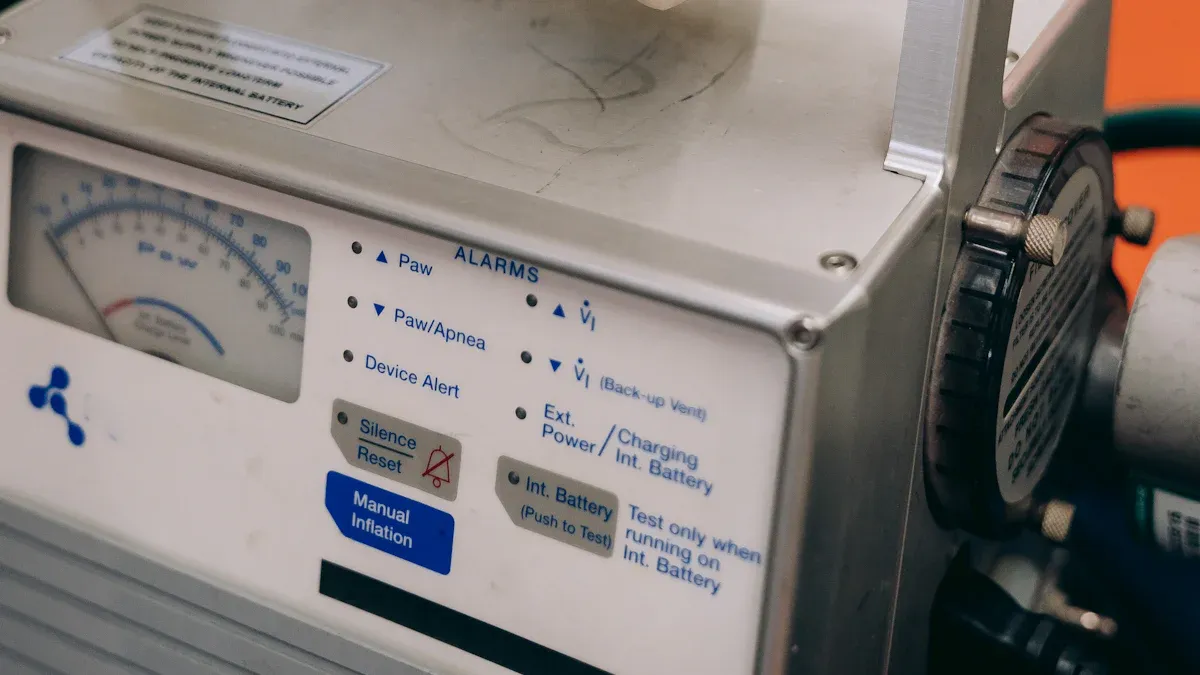
You work with 8S4P 25.6V LiFePO4 batteries when you need reliable power for demanding environments. The “8S4P” configuration means the battery pack contains 8 cells in series and 4 in parallel. This setup gives you a stable platform voltage of 25.6V and a high nominal capacity of 202Ah. LiFePO4, or lithium iron phosphate, stands out for its safety, long cycle life, and thermal stability compared to other chemistries like NMC, LCO, or LMO. You benefit from a battery that resists overheating and delivers consistent performance.
Here is a quick look at the key technical specifications:
Specification | Value |
|---|---|
Nominal Voltage | 25.6V |
Nominal Capacity | 202Ah |
Charging Method | CC/CP/VP |
Maximum Charging Current | 1C @ 25℃ |
Discharge Method | CC/CP/VP |
Maximum Discharge Current | 1C @ 25℃ |
Internal Resistance | ≤50mΩ |
Charging Working Temperature | 0~ +50°C |
Discharge Working Temperature | -20~ +55°C |
Warranty Period | 36~60 months |
Scope of Application | Hospitals, Data Centers, etc. |
Tip: You can further enhance safety and performance by integrating a battery management system (BMS).
1.2 Application in Medical Carts
You see 8S4P 25.6V LiFePO4 batteries used in medical carts because they provide stable power for critical equipment. These lithium battery packs support devices like patient monitors, medication dispensers, and mobile workstations. You reduce downtime and maintenance, which improves workflow in hospitals. The long cycle life and robust chemistry mean you replace batteries less often, which increases the ROI of 8S4P Batteries.
You also find these batteries in other B2B sectors. Robotics, security systems, infrastructure, consumer electronics, and industrial applications all benefit from the same reliability and safety. In each case, you get a battery solution that meets strict operational demands and safety standards. Hospitals and other industries trust LiFePO4 chemistry for its proven track record in both performance and safety.
Part2: ROI of 8S4P Batteries
2.1 Investment vs. Savings
You want to make smart investments for your hospital or medical facility. When you choose 8S4P 25.6V LiFePO4 batteries for your medical carts, you see a higher upfront cost compared to lead-acid or NMC batteries. However, you quickly notice the long-term savings. LiFePO4 batteries offer a cycle life of 2,000 to 5,000 cycles, which means you replace batteries less often. You avoid frequent purchases and reduce downtime for your staff.
Battery Type | Initial Cost | Cycle Life (cycles) | Replacement Frequency | Long-Term Savings |
|---|---|---|---|---|
LiFePO4 (8S4P) | High | 2,000–5,000 | Low | High |
Lead-Acid | Low | 300–500 | High | Low |
NMC | Medium | 500–1,000 | Medium | Medium |
Note: You can read more about how sustainability impacts battery selection in hospitals here.
You see the ROI of 8S4P Batteries increase as you factor in fewer replacements and less labor. Hospitals, robotics companies, and security system providers all benefit from these savings. You invest more at the start, but you gain more value over time.
2.2 Maintenance and Replacement Costs
You spend less time and money on maintenance when you use 8S4P 25.6V LiFePO4 batteries. These lithium battery packs have low internal resistance and stable chemistry. You avoid common issues like sulfation and acid leaks found in lead-acid batteries. Your staff spends less time troubleshooting and more time focusing on patient care or core operations.
Lower Maintenance Needs:
No need for regular water refills
No acid spills or corrosion
Fewer service calls
Extended Warranty:
Most LiFePO4 batteries offer warranties of 36–60 months
You reduce unexpected costs
You also see fewer battery failures in critical applications. Medical carts, robotics, and infrastructure systems run smoothly. You avoid emergency replacements and keep your operations efficient. The ROI of 8S4P Batteries grows as you minimize maintenance and replacement costs.
2.3 Efficiency and Productivity
You improve operational efficiency with 8S4P 25.6V LiFePO4 batteries. These lithium battery packs deliver stable platform voltage, which keeps medical devices running without interruptions. You avoid voltage drops that can cause equipment shutdowns or data loss.
Tip: Stable power delivery means your staff can rely on medical carts for longer shifts without worrying about battery swaps.
You also notice better cart maneuverability. LiFePO4 batteries weigh less than lead-acid alternatives, so your staff moves carts easily through busy hospital corridors. You increase productivity because your team spends less time managing battery issues and more time on patient care.
Key Benefits for B2B Clients:
Reliable power for medical, robotics, and security systems
Fewer workflow interruptions
Enhanced safety for staff and patients
You see the ROI of 8S4P Batteries reflected in higher uptime, lower labor costs, and improved service quality. Your hospital or facility operates more smoothly, and you deliver better outcomes for your clients and patients.
Part3: Lifespan and Reliability
3.1 Cycle Life and Durability
You rely on 8S4P 25.6V LiFePO4 batteries for their impressive cycle life and durability. These lithium battery packs deliver between 2,000 and 5,000 cycles, which means you can expect years of dependable service in demanding environments. You see this advantage in medical carts, robotics, and security systems, where frequent battery replacements disrupt operations. LiFePO4 chemistry resists thermal degradation and maintains stable platform voltage at 25.6V throughout its lifespan. You avoid the rapid capacity loss seen in NMC, LCO, or LMO batteries.
Note: According to Nature, LiFePO4 batteries outperform lead-acid alternatives in both cycle life and safety.
You benefit from robust construction and low internal resistance. These features help you minimize downtime and maximize uptime for critical equipment. You also reduce the risk of unexpected failures, which is essential in hospital and industrial settings.
Battery Chemistry | Cycle Life (cycles) | Platform Voltage | Energy Density (Wh/kg) |
|---|---|---|---|
LiFePO4 | 2,000–5,000 | 25.6V | 90–120 |
Lead-Acid | 300–500 | 24V | 30–50 |
NMC | 500–1,000 | 25.9V | 150–220 |
3.2 Impact on Cart Replacement
You extend the lifespan of your medical carts when you choose 8S4P 25.6V LiFePO4 batteries. Frequent battery changes can lead to wear and tear on cart components, increasing the need for replacements. You avoid this problem by using batteries with longer cycle life and stable performance. Your carts stay in service longer, which helps you control capital expenditures.
Key Benefits:
Fewer battery swaps
Reduced cart downtime
Lower replacement costs
You see similar results in robotics and infrastructure applications. Reliable lithium battery packs keep your equipment running smoothly and reduce the frequency of asset turnover. You maintain high operational standards and protect your investment in technology.
Tip: You can schedule preventive maintenance less often, which saves you time and resources.
You improve reliability and extend the useful life of your assets. Your hospital or facility benefits from lower total cost of ownership and better long-term planning.
Part4: Safety and Compliance

4.1 Thermal Stability and Fire Risk
You need batteries that keep your hospital safe. LiFePO4 chemistry gives you strong thermal stability. This means your 8S4P 25.6V lithium battery packs resist overheating, even during long shifts or heavy use. You avoid the fire risks that come with NMC, LCO, or LMO batteries. LiFePO4 batteries do not release oxygen during thermal runaway, so you lower the chance of fire or explosion.
You protect your staff and patients by choosing batteries with low internal resistance and stable platform voltage. Your medical carts run cooler and safer. You also see these benefits in robotics, security systems, and industrial equipment. You reduce insurance risks and meet strict safety protocols.
Battery Chemistry | Thermal Stability | Fire Risk | Platform Voltage |
|---|---|---|---|
LiFePO4 | High | Low | 25.6V |
NMC | Medium | Medium | 25.9V |
Lead-Acid | Low | Medium | 24V |
4.2 Medical Standards Compliance
You must meet medical standards when you deploy battery-powered carts in hospitals. LiFePO4 batteries help you comply with regulations like IEC 60601-1 for medical electrical equipment. You get batteries with certifications for safety, electromagnetic compatibility, and environmental impact.
Key Compliance Features:
RoHS and CE certifications
ISO 13485 for medical device quality
Extended warranty periods (36–60 months)
You also support sustainability and responsible sourcing. Many lithium battery pack suppliers follow conflict minerals policies. You can read more about these practices in the Conflict Minerals Statement and Sustainability Approach.
Tip: You improve your hospital’s reputation by choosing batteries that meet global standards and support ethical sourcing.
You ensure your medical carts, robotics, and infrastructure systems operate within legal and ethical guidelines. You lower compliance risks and build trust with stakeholders.
Part5: Comparative Analysis
5.1 LFP vs. Lead-Acid
You see clear differences when you compare LFP (LiFePO4) batteries to lead-acid batteries in medical carts. LFP batteries deliver longer cycle life, better safety, and improved performance. Lead-acid batteries often cause more maintenance issues and pose higher risks in hospital settings.
Feature | LFP Batteries | Lead-Acid Batteries |
|---|---|---|
Improved Safety | No known incidents of fires | Associated with fires in hospitals |
Longer Cycle Life | Degrades slowly, increasing longevity | Capacity declines faster |
Better Depth of Discharge | Can handle full discharge without impact | Limited tolerance for full discharge |
Charge Rate | Can handle higher charge currents | High currents can cause overheating |
LFP batteries maintain stability at higher temperatures.
Less prone to thermal runaway, enhancing safety in clinical environments.
You avoid fire risks and frequent replacements when you choose LFP batteries. The EverExceed LFP battery guarantees worry-free operation with no risk of fire or explosion, making it a safe choice for healthcare applications.
5.2 Case Studies and Data
You benefit from real-world data that highlights the advantages of LFP batteries over other chemistries. Hospitals report fewer incidents and longer service life with LFP-powered carts. Robotics and security systems also show higher uptime and lower maintenance costs.
Chemistry | Platform Voltage | Cycle Life (cycles) | Energy Density (Wh/kg) | Safety Level |
|---|---|---|---|---|
LiFePO4 | 25.6V | 2,000–5,000 | 90–120 | High |
NMC | 25.9V | 500–1,000 | 150–220 | Medium |
LCO | 3.7V (cell) | 300–500 | 150–200 | Low |
LMO | 3.7V (cell) | 300–700 | 100–150 | Medium |
3.7V (cell) | 1,000–10,000 | 250–500 | High | |
Lithium Metal | 3.7V (cell) | 1,000–5,000 | 350–500 | Medium |
Lead-Acid | 300–500 | 30–50 | Low |
Hospitals using LFP batteries report up to 60% fewer battery-related service calls and longer intervals between replacements.
Robotics and infrastructure sectors also see improved reliability and reduced downtime.
You improve safety, reduce costs, and extend equipment lifespan when you select LFP batteries for your medical carts and other critical systems.
You see hospitals worldwide adopting advanced lithium battery packs for medical carts. You improve safety, reliability, and operational efficiency with 8S4P 25.6V LiFePO4 batteries. The ROI of 8S4P Batteries stands out because you reduce maintenance, extend cart lifespan, and support infection control. You can evaluate your facility’s needs by reviewing cycle life, platform voltage, and compliance standards. You strengthen your hospital’s performance by choosing proven battery solutions.
Compare cycle life and safety features.
Consult with trusted suppliers for certified lithium battery packs.
FAQ
What makes 8S4P 25.6V LiFePO4 batteries safer for medical carts?
You get strong thermal stability with LiFePO4 chemistry. These batteries resist overheating and do not release oxygen during thermal runaway. You lower fire risk in hospital environments and meet strict safety standards.
How often do you need to replace 8S4P 25.6V LiFePO4 batteries?
Can you use 8S4P 25.6V LiFePO4 batteries in other sectors?
You find these batteries in robotics, security systems, infrastructure, and industrial equipment. You benefit from reliable power, long cycle life, and improved safety across many B2B applications.
What certifications should you look for in lithium battery packs for hospitals?
You should check for IEC 60601-1, RoHS, CE, and ISO 13485 certifications. These standards ensure safety, quality, and compliance for medical devices and hospital equipment.
How do LiFePO4 batteries improve operational efficiency?
You get stable platform voltage and lightweight design. Your staff moves carts easily and experiences fewer workflow interruptions. You spend less time on maintenance and more time on core operations.


