

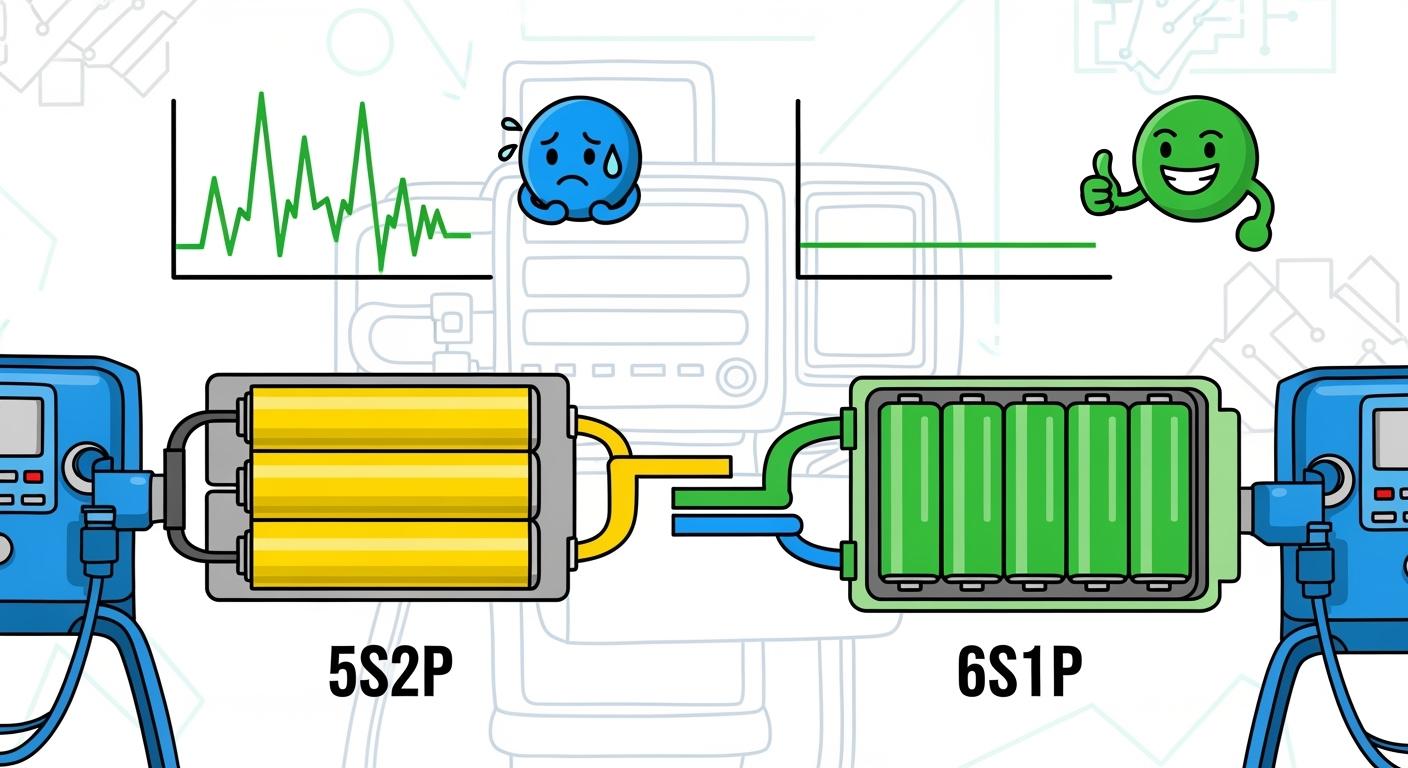
You find that the 5S2P configuration delivers greater stability for ventilator use. This setup provides enhanced capacity, steady voltage, and increased safety. Stability means reliable performance under stress. You must prioritize a strong BMS and effective thermal management when evaluating Ventilator Battery Trends for medical-grade lithium battery packs.
Key Takeaways
The 5S2P configuration offers greater stability and safety for ventilator battery packs due to its parallel design, which allows for redundancy and continued operation even if one cell fails.
Prioritize a strong Battery Management System (BMS) and NMC chemistry when selecting battery packs. These features enhance thermal management and prevent overcharging, ensuring reliable performance.
For critical medical applications, always choose the 5S2P configuration to ensure uninterrupted power delivery and minimize maintenance needs.
Part1: Ventilator Battery Trends & Comparison
1.1 Stability Metrics Overview
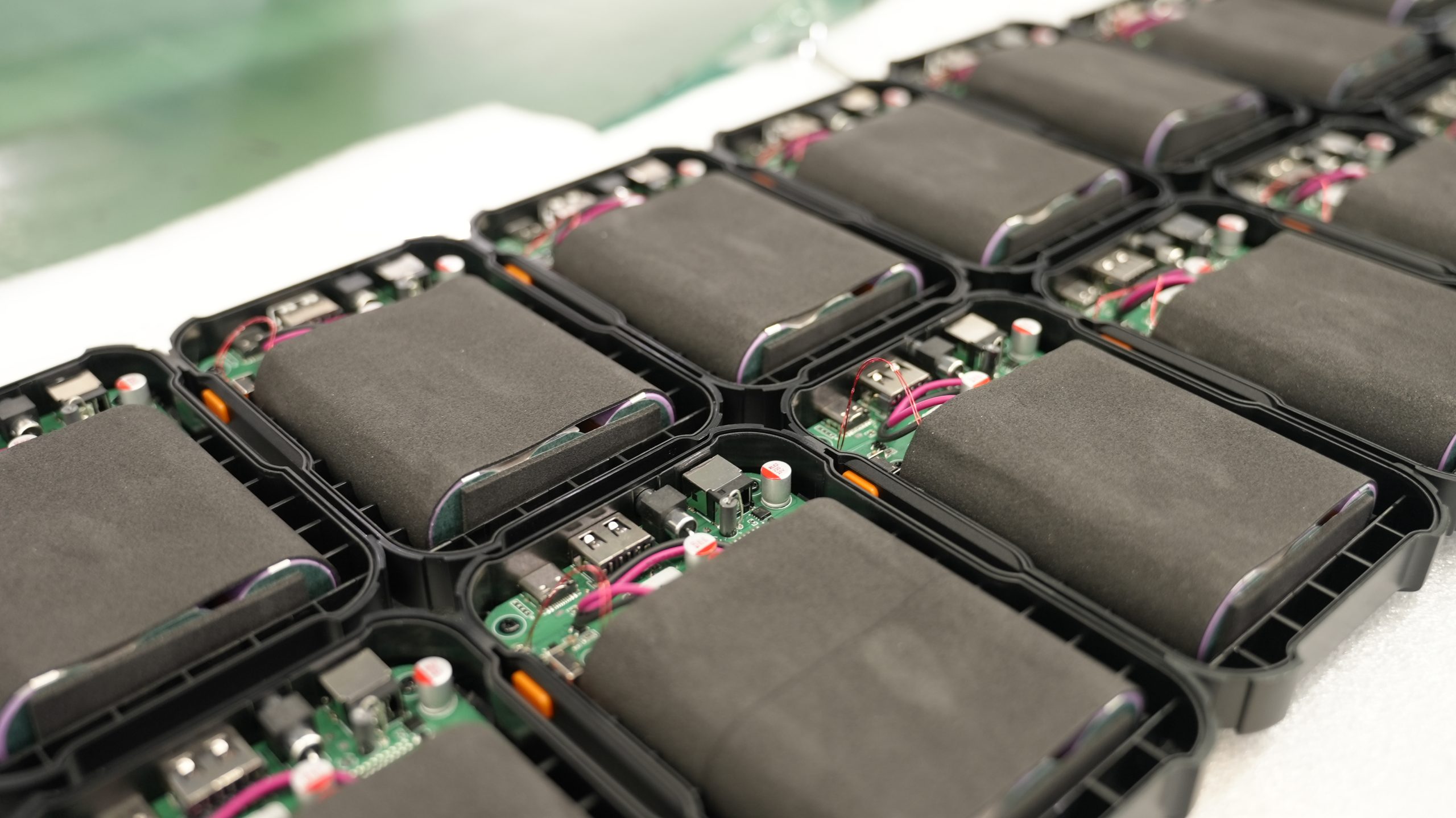
You need to evaluate several metrics when comparing ventilator battery pack stability. These include voltage consistency, capacity retention, thermal safety, and protection features. A robust Battery Management System (BMS) ensures overcharge protection, temperature monitoring, and cell balancing. This system helps you maintain reliable operation and extend battery life.
NMC chemistry stands out for ventilator use. It offers high energy density, a stable electrolyte, and a lower risk of short circuits. The BMS works with NMC to provide accurate state of charge and health data, which is critical for medical devices.
1.2 5S2P vs. 6S1P Key Differences
The table below summarizes the main differences between 5S2P and 6S1P configurations for ventilator battery packs:
Feature | 6S1P Configuration | |
|---|---|---|
Cell Arrangement | 5 series, 2 parallel | 6 series, 1 parallel |
Voltage (LiFePO4) | 18V (3.6V x 5) | 21.6V (3.6V x 6) |
Capacity | Higher (parallel cells) | Lower (single string) |
Stability | Greater (redundancy, balancing) | Moderate (no redundancy) |
Safety | Enhanced (parallel redundancy) | Standard |
Cycle Life | 800+ cycles | 800+ cycles |
Thermal Management | Easier (lower current per cell) | More challenging |
Failure Tolerance | Higher (one cell can fail safely) | Lower (failure impacts all cells) |
You see that 5S2P offers better stability and safety due to its parallel design. This configuration allows for cell balancing and redundancy, which are essential for critical applications. The BMS and NMC chemistry further enhance safety by preventing overcharge, monitoring temperature, and ensuring all cells operate within safe limits.
Tip: When you select a battery pack for ventilators, prioritize configurations with strong BMS integration and NMC chemistry. These features align with the latest Ventilator Battery Trends and ensure reliable performance in demanding environments.
Part2: Stability Factors
2.1 Cell Balancing
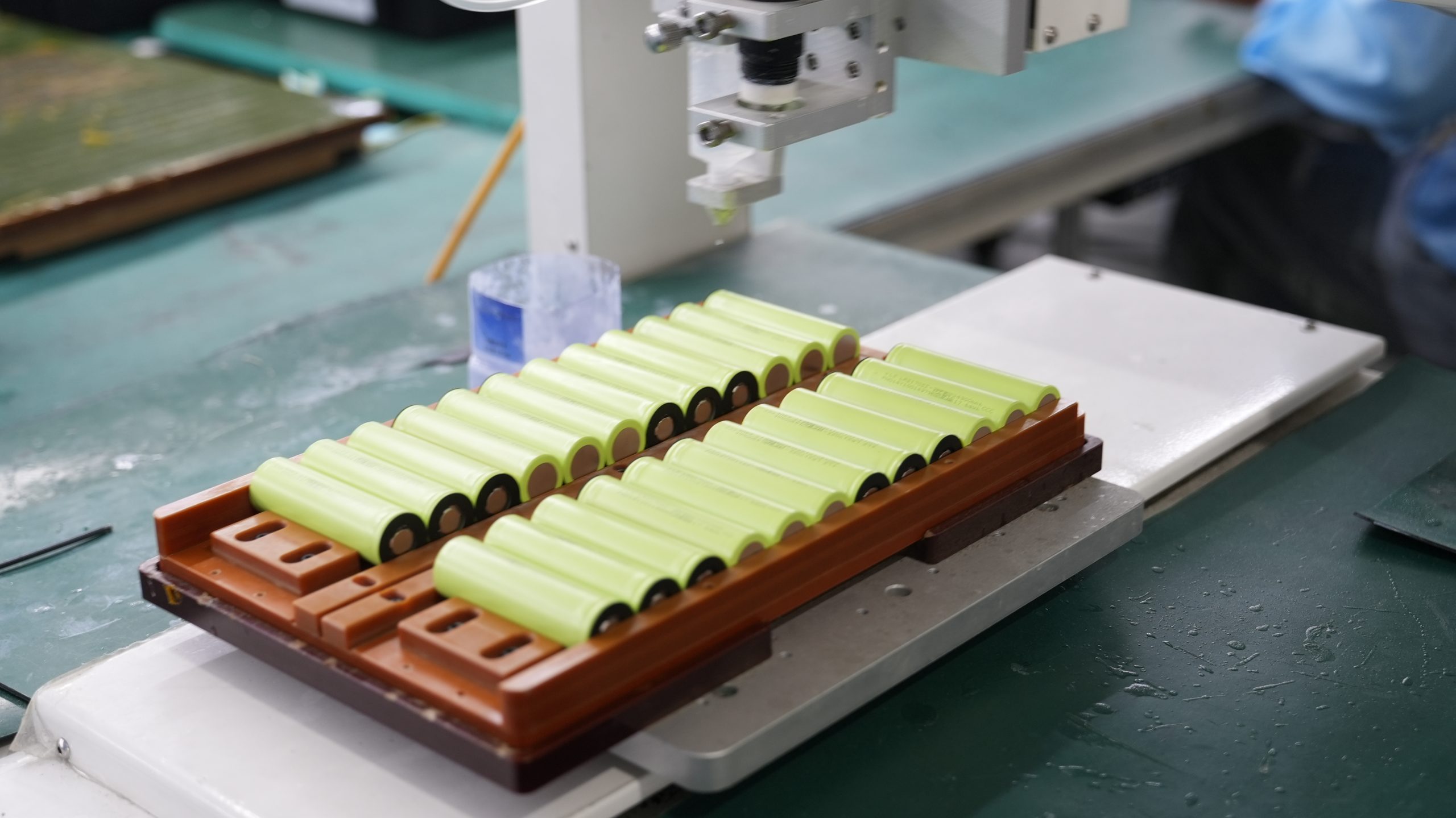
You must pay close attention to cell balancing when designing ventilator battery packs. Proper cell balancing ensures each cell maintains a similar state of charge, which directly impacts long-term stability and performance. You can observe nearly automatic balancing in well-designed packs, with an average voltage difference of only ±4mV across cells during charging. This tight control supports consistent performance over 40-60 cycles without negative effects.
Cell balancing prevents one cell from going flat and affecting others, especially in parallel configurations.
It maintains voltage consistency, which is critical for medical devices.
You reduce the risk of uneven aging and extend the overall battery life.
You have two main techniques for cell balancing in medical ventilator battery packs:
Balancing Technique | Description | Advantages | Disadvantages |
|---|---|---|---|
Passive Balancing | Releases excess energy as heat to equalize cell SOC. | Simple and inexpensive to implement. | Limited to cells that can tolerate overcharging. |
Active Balancing | Transfers energy between cells to equalize SOC. | More efficient, maintains higher system efficiency. | More complex and costly to implement. |
Balancing control manages voltage and current distribution across cells. This process minimizes stress and evens out heat generation. You prevent thermal runaway and maintain the integrity of the power system, which is essential for ventilator reliability.
2.2 Redundancy & Parallel Design
You increase reliability in ventilator power systems by using redundancy in parallel battery designs. The 5S2P configuration stands out because it allows continued operation even if one cell fails. This redundancy is vital for life-supporting equipment.
Redundant design ensures uninterrupted power delivery.
You can avoid total system failure if a single cell or string malfunctions.
Parallel arrangements provide a safety net, which is not present in single-string designs like 6S1P.
You should always consider redundancy when evaluating Ventilator Battery Trends for critical medical applications.
2.3 Thermal Management
You must implement robust thermal management to ensure safety and longevity in lithium battery packs for ventilators. A comprehensive protection system is essential. The Battery Management System (BMS) plays a central role by preventing overcharging and short circuits.
Temperature monitoring is vital. NTC thermistors help you keep cell temperatures between -20°C and 60°C.
Vibration-resistant materials add durability, which is important for medical environments.
Effective ventilation design prevents thermal buildup during high discharge.
Dual-layer protection, using a high-precision BMS and fuse system, provides reliable power delivery in critical applications.
You should always prioritize these best practices to maintain stable operation and protect both patients and equipment.
2.4 Failure Modes
You must understand potential failure modes to mitigate risks in ventilator battery packs. The BMS monitors critical parameters such as State of Charge (SOC), State of Health (SOH), Depth of Discharge (DOD), and State of Function (SOF) for both the entire pack and individual cells.
Safety circuits prevent over-charging, over-heating, and over-discharging, which maintains battery integrity.
The system alerts you to abnormal parameter values, allowing timely intervention.
Early detection and response help you avoid catastrophic failures and ensure continuous ventilator operation.
You can see that a strong BMS, combined with proper cell balancing, redundancy, and thermal management, forms the foundation of stable and safe ventilator battery packs.
Part3: Performance Comparison
3.1 Reliability in Ventilator Use
You need reliable power for ventilators in critical care. The 5S2P configuration gives you higher reliability because of its parallel design. If one cell fails, the pack continues to operate. The 6S1P setup does not offer this advantage. You risk total failure if a single cell malfunctions. In medical environments, you cannot afford interruptions. You should always choose a configuration that supports redundancy and stable voltage output.
Feature | 5S2P Configuration | 6S1P Configuration |
|---|---|---|
Redundancy | Yes | No |
Voltage Consistency | High | Moderate |
Failure Tolerance | High | Low |
Tip: For life-supporting devices, always prioritize battery packs with built-in redundancy.
3.2 Safety Implications
You must consider safety as your top priority. The 5S2P design reduces the risk of overheating and short circuits. Lower current per cell means less heat generation. The BMS monitors each cell and prevents unsafe conditions. The 6S1P configuration handles higher current in each cell, which increases the risk of thermal issues. You should always check for advanced safety features, such as temperature sensors and dual-layer protection.
5S2P: Safer under high load, better thermal management.
6S1P: Higher risk if a cell fails, less effective heat control.
3.3 Maintenance & Lifecycle
You want a battery pack that lasts and requires minimal maintenance. The 5S2P configuration supports longer cycle life because cells share the load. You see less stress on each cell, which means slower aging. The 6S1P design puts more strain on individual cells, leading to faster wear. You will spend more time on maintenance and replacements with 6S1P.
Aspect | 5S2P Configuration | 6S1P Configuration |
|---|---|---|
Maintenance | Low | Moderate to High |
Cycle Life | Extended | Standard |
Replacement Rate | Low | Higher |
You can follow Ventilator Battery Trends to select the best configuration for reliability, safety, and long service life.
Part4: Selection Recommendations
4.1 Stability-Based Choice
You must select the right battery configuration for your ventilator systems based on stability, power requirements, and safety. The 5S2P configuration offers you superior stability due to its parallel design. This setup provides redundancy, which means your system continues to operate even if one cell fails. You also benefit from higher capacity and better thermal management. The 6S1P configuration gives you a higher voltage but lacks redundancy. You face a greater risk of total failure if a single cell malfunctions.
Criteria | 5S2P Configuration | 6S1P Configuration |
|---|---|---|
Stability | High (parallel redundancy) | Moderate |
Power Output | Consistent | Higher voltage, less stable |
Safety | Enhanced | Standard |
Maintenance | Lower | Higher |
Tip: You should always prioritize 5S2P for critical medical devices where uninterrupted operation is essential.
4.2 Application Scenarios
You will find the 5S2P configuration ideal for hospital ventilators, emergency transport ventilators, and portable respiratory support units. These applications demand high reliability and safety. For example, in hospital medical devices, you need a battery pack that can withstand continuous use and unexpected cell failures. The 6S1P configuration may suit less critical applications, such as backup power for non-life-supporting equipment, where higher voltage is required but redundancy is less critical.
For intensive care ventilators, choose 5S2P for maximum uptime.
For portable or field-use devices, select 5S2P to ensure safety during transport.
For non-critical monitoring equipment, consider 6S1P if voltage needs outweigh redundancy.
You should always match your battery selection to the specific demands of your application and industry standards.
You gain greater stability with the 5S2P configuration because it provides redundancy, higher capacity, and better failure tolerance. You should focus on these key factors for ventilator battery stability:
Thermal management controls temperature and prevents damage.
The BMS monitors voltage and charge for safe operation.
LiFePO4 chemistry resists thermal runaway and extends battery life.
You can improve reliability by selecting robust packs and advanced management systems.
FAQ
What makes 5S2P more stable than 6S1P for ventilator battery packs?
Configuration | Redundancy | Capacity | Failure Tolerance |
|---|---|---|---|
5S2P | Yes | Higher | High |
6S1P | No | Lower | Low |
You gain stability from parallel redundancy in 5S2P. This design ensures continued operation if one cell fails.
How does Large Power support custom lithium battery solutions for medical devices?
You can request a tailored battery pack from Large Power.
Which lithium battery chemistry is best for ventilator packs?
You should select NMC. This chemistry offers 18V (5S2P), 21.6V (6S1P), 800+ cycles, and high energy density.


