

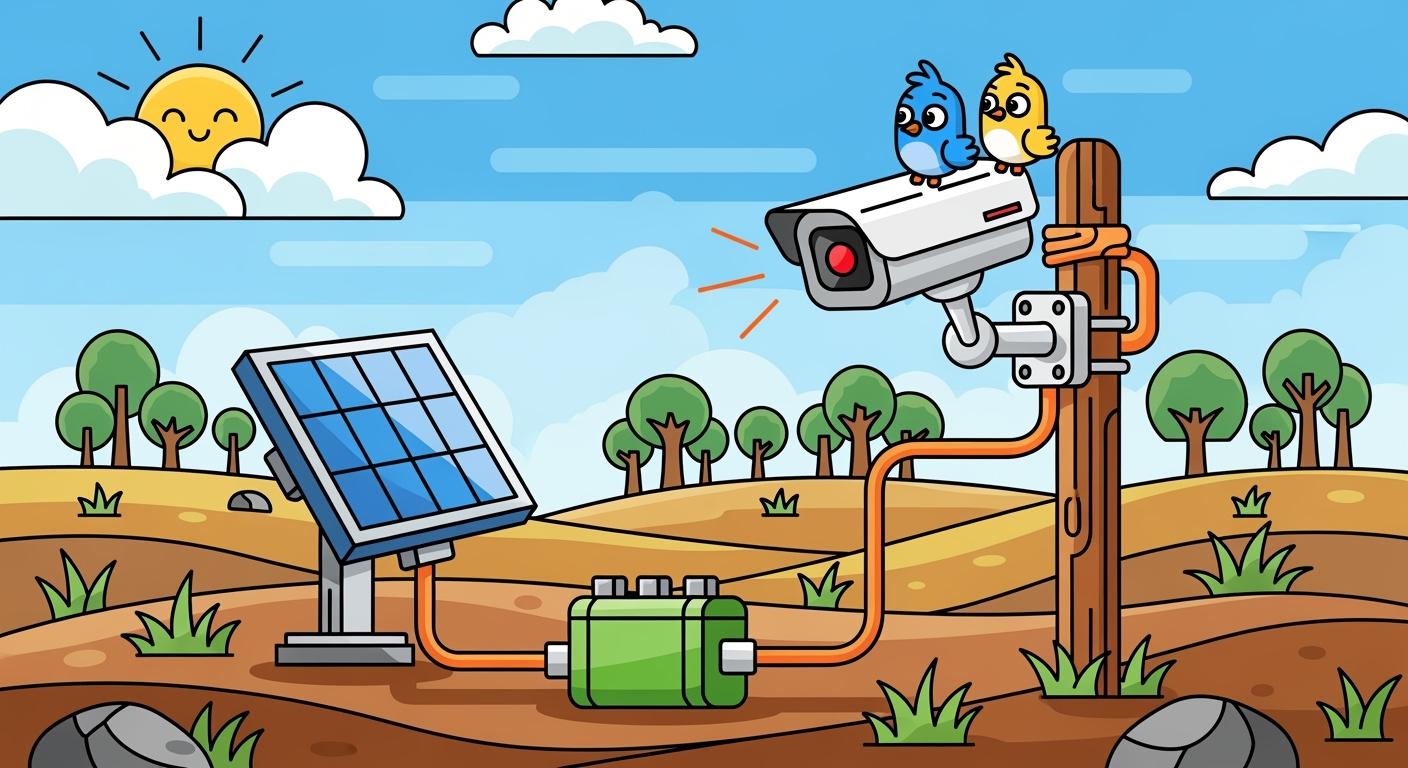
When you deploy remote security devices, you need Solar Battery Solutions that guarantee continuous power in harsh outdoor environments. You should focus on these critical design factors:
Capacity supports daily energy needs and backup.
Power rating matches equipment demands.
High round-trip efficiency reduces energy loss.
Long lifespan and strong warranty extend system value.
Modular expandability supports future growth.
Minimal maintenance with real-time monitoring.
You rely on lithium-ion battery packs for reliable operation in security cameras, sensors, and alarms. Winter performance matters most for coverage when sunlight is limited.
Key Takeaways
Choose lithium batteries for long life and low maintenance.
Calculate energy needs to size batteries and panels correctly.
Use IP67 enclosures to protect against weather and dust.
Monitor systems for real-time data and quick problem-solving.
Plan for future growth by considering modular expandability.
Part1: Why Solar Battery Solutions
1.1 Integrated Power Needs
You must assess the power requirements for each security device before designing your system. Security cameras often operate at 12 volts and draw 0.5 amperes. Alarm sirens can demand up to 10 amperes during activation. Continuous power draw for cameras remains lower than the peak demands of alarms. To ensure uninterrupted operation, calculate battery capacity using the formula:
Battery Capacity (Ah) = Power Consumption (W) × Operating Time (h) / Voltage (V)
This calculation helps you size your lithium battery pack for reliable performance during outages. You can reference lithium battery chemistries such as LiFePO4, NMC, LCO, and LMO for optimal energy density and cycle life. These chemistries support applications in security systems, medical devices, robotics, and industrial infrastructure.
1.2 Benefits for Remote Security
Solar Battery Solutions have become standard in both residential and commercial sectors. The market for all-in-one lithium solar battery packs from providers like BigBattery, LINOVISION, Dotworkz, VESTA, and Voltaic Systems is growing rapidly. The table below highlights key market adoption trends:
Aspect | Details |
|---|---|
Market Growth Rate | CAGR of 19.2% from 2023 to 2030 |
Adoption Drivers | Environmental sustainability and reliability |
Integration | Standard in residential and commercial sectors |
You gain long-term cost savings, always-on security, and appeal to environmentally conscious stakeholders. Solar Battery Solutions provide independent power generation and storage, ensuring continuous operation during grid failures. You can deploy these systems in remote locations without extensive wiring.
1.3 Lithium Battery Advantages
Lithium batteries offer several advantages for outdoor solar security applications:
They last beyond 5,000 charge cycles, outlasting lead-acid batteries.
No maintenance is required, reducing operational costs.
Consistent power and voltage during discharge allow full utilization of capacity.
Higher energy density enables compact designs.
Built-in safety features, such as fire extinguishing gel, enhance reliability.
Rapid charging and flexible installation options support diverse deployment scenarios.
Lithium batteries handle inconsistent solar charge cycles better than lead-acid batteries. They accept larger charge currents and remain reliable during partial charges.
You should consider ethical sourcing when selecting lithium battery packs. For details, review the Conflict Minerals Statement.
Solar Battery Solutions deliver cost-effectiveness through renewable energy, zero emissions, and reduced replacement costs. Lithium-ion batteries, including LiFePO4 and NMC, provide superior platform voltage, energy density, and cycle life for security, medical, robotics, and industrial applications.
Part2: Key Design Considerations
2.1 Power Assessment
You start by evaluating the energy needs of your security devices. Each device has unique consumption patterns. Security cameras, sensors, and alarms require different amounts of power. You analyze historical usage and seasonal variations. Time-of-use profiling helps you identify peak demand periods. You consider future expansions, such as adding more cameras or sensors. This assessment ensures your Solar Battery Solutions meet current and future requirements.
Tip: Always plan for growth. If you expect to add devices, include their power needs in your calculations.
2.2 Solar Panel Sizing
You determine solar panel sizing by reviewing energy consumption and local solar resources. You use the following steps:
Analyze historical energy usage and identify seasonal changes.
Profile daily and peak loads for each device.
Calculate system size using this formula:
System size (kW) = Annual kWh consumption ÷ (365 × daily sun hours × system efficiency)Evaluate available space for panel installation.
Perform shading analysis to avoid performance loss.
You select the number of panels based on energy needs and site constraints. Proper orientation maximizes sunlight exposure. Panels should face true south in the northern hemisphere or true north in the southern hemisphere. Avoid shading from trees or buildings.
2.3 Battery Selection & Capacity
You choose lithium battery packs based on device load and backup requirements. Capacity sizing considers battery aging and degradation. You select batteries with higher capacity than calculated to ensure reliability over time. You review lithium chemistries for optimal performance. The table below compares common lithium battery types:
Chemistry | Platform Voltage (V) | Energy Density (Wh/kg) | Cycle Life (cycles) |
|---|---|---|---|
LiFePO4 | 3.2 | 90-160 | 2,000–5,000 |
NMC | 3.7 | 150-220 | 1,000–2,000 |
LCO | 3.7 | 150-200 | 500–1,000 |
LMO | 3.7 | 100-150 | 300–700 |
You use lithium battery packs in security systems, medical devices, robotics, infrastructure, and industrial applications. You ensure your Solar Battery Solutions deliver long-term reliability.
2.4 Charge Controller Role
Charge controllers manage the charging process for your solar batteries. They prevent overcharging and deep-discharging, which protects battery cells from damage. You maintain efficiency and extend battery life by regulating these conditions. Charge controllers support optimal performance for security devices.
Note: Charge controllers are essential for protecting your investment and maximizing system longevity.
2.5 Enclosure & Weatherproofing
You select enclosures that protect your batteries and electronics from harsh outdoor conditions. The IP67 rating is crucial for battery junction boxes. This rating ensures protection against dust and water, following IEC 60529 standards. You choose materials like aluminum or steel for durability. You integrate filters or vents for thermal management. Corrosion resistance and UV stability are important for long-term reliability.
IP67 rating ensures dust and water protection.
IEC 60529 standard governs ingress protection testing.
Aluminum and steel enclosures enhance durability.
Filters and vents support thermal management.
2.6 Mounting & Placement
You customize battery enclosures for your project needs. Proper installation maximizes solar panel performance. You orient panels to face true south or true north, depending on your location. You avoid shading to maintain efficiency. You select materials that resist corrosion and UV damage. You manage heat to prevent component failure.
Custom enclosures fit specific applications.
Material selection improves durability.
Thermal management prevents overheating.
Regular cleaning and maintenance keep panels efficient.
2.7 Monitoring & Maintenance
You implement monitoring systems for real-time data access. Early detection of problems allows quick fixes. You optimize energy output and reduce downtime. You perform regular inspections and follow manufacturer guidelines. The table below summarizes key monitoring features:
Feature | Description |
|---|---|
Real-time data access | Immediate insights into energy production and system health. |
Early problem detection | Alerts for anomalies, enabling quick fixes and safeguarding investments. |
Maximizing energy output | Data-driven optimization of energy generation and consumption. |
Financial benefits | Lower electricity bills and increased ROI through minimized downtime. |
You inspect battery terminals and connections. You measure voltage and monitor temperature. You follow recommended charging profiles. You check electrolyte levels for flooded lead-acid batteries, though lithium batteries require less maintenance.
Tip: Consistent monitoring and maintenance extend the life of your Solar Battery Solutions and ensure reliable operation in remote locations.
Part3: Environmental Challenges

3.1 Temperature Impact
You face significant challenges when deploying lithium battery packs in outdoor security systems. Temperature extremes can affect both performance and lifespan. Cold weather slows ion movement, which reduces battery efficiency and available capacity. High temperatures can speed up chemical reactions, leading to faster degradation. Most lithium-ion batteries, including LiFePO4, NMC, LCO, and LMO, operate safely between -20°C and 60°C. Charging should only occur between 0°C and 45°C to prevent permanent damage. You should avoid exposing batteries to extreme temperatures during use and storage. Stable temperatures and moderate charge levels help maintain long-term performance. These practices ensure reliable operation for security, medical, robotics, and industrial applications.
Lithium batteries lose efficiency in cold weather.
High or low temperatures shorten battery life.
Store batteries at stable temperatures to prevent degradation.
Charge batteries only within the recommended temperature range.
Tip: Always monitor battery temperature and use insulated enclosures for outdoor installations.
3.2 Weather Hazards
Outdoor Solar Battery Solutions must withstand severe weather. You need to protect your systems from risks such as thermal runaway, high winds, and hail. The table below outlines common hazards and ways to reduce their impact:
Weather Hazard | Risk Description | Mitigation Strategy |
|---|---|---|
Thermal Runaway | Dangerous chain reaction causing explosions and toxic gas releases. | Use LiFePO4 batteries, which resist overheating. |
Severe Weather (High Winds) | Can damage solar panels and battery systems. | Install automated response systems and ensure proper mounting. |
Hail | Physical damage to solar panels and battery systems. | Maintain and install panels to withstand hail impacts. |
You should select battery chemistries and system designs that match your local climate. Regular inspections and maintenance help you spot and fix weather-related damage early.
3.3 Theft & Vandalism Prevention
You must secure your outdoor battery systems against theft and vandalism. Thieves often target valuable lithium battery packs. The table below lists effective strategies for protecting your assets:
Strategy | Description |
|---|---|
Anti-theft Nuts and Bolts | Specialized fasteners make it hard to remove components. |
Reinforced Battery Boxes | Heavy-gauge steel enclosures and high-security locks deter theft. |
Height and Placement Strategies | Install systems high off the ground and in visible areas to discourage tampering. |
GPS Tracking Modules | Track stolen items in real time for quick recovery. |
Smart Monitoring Systems | Get alerts for tampering or theft to respond quickly. |
Video Surveillance Integration | Cameras deter thieves and provide evidence if theft occurs. |
Warning Signs and Decals | Signs warn that assets are monitored or tracked, discouraging theft. |
Community Collaboration | Engage local residents to report suspicious activity. |
Asset Marking and Identification | Mark components for easy identification and recovery. |
Inventory Management | Keep detailed records to track and recover stolen items. |
Insurance for Lighting Infrastructure | Protect your investment with insurance for quick replacement. |
You increase system security by combining several of these strategies. Visible deterrents, strong enclosures, and active monitoring work together to protect your Solar Battery Solutions in remote locations.
Part4: Best Practices & Examples
4.1 Case Studies
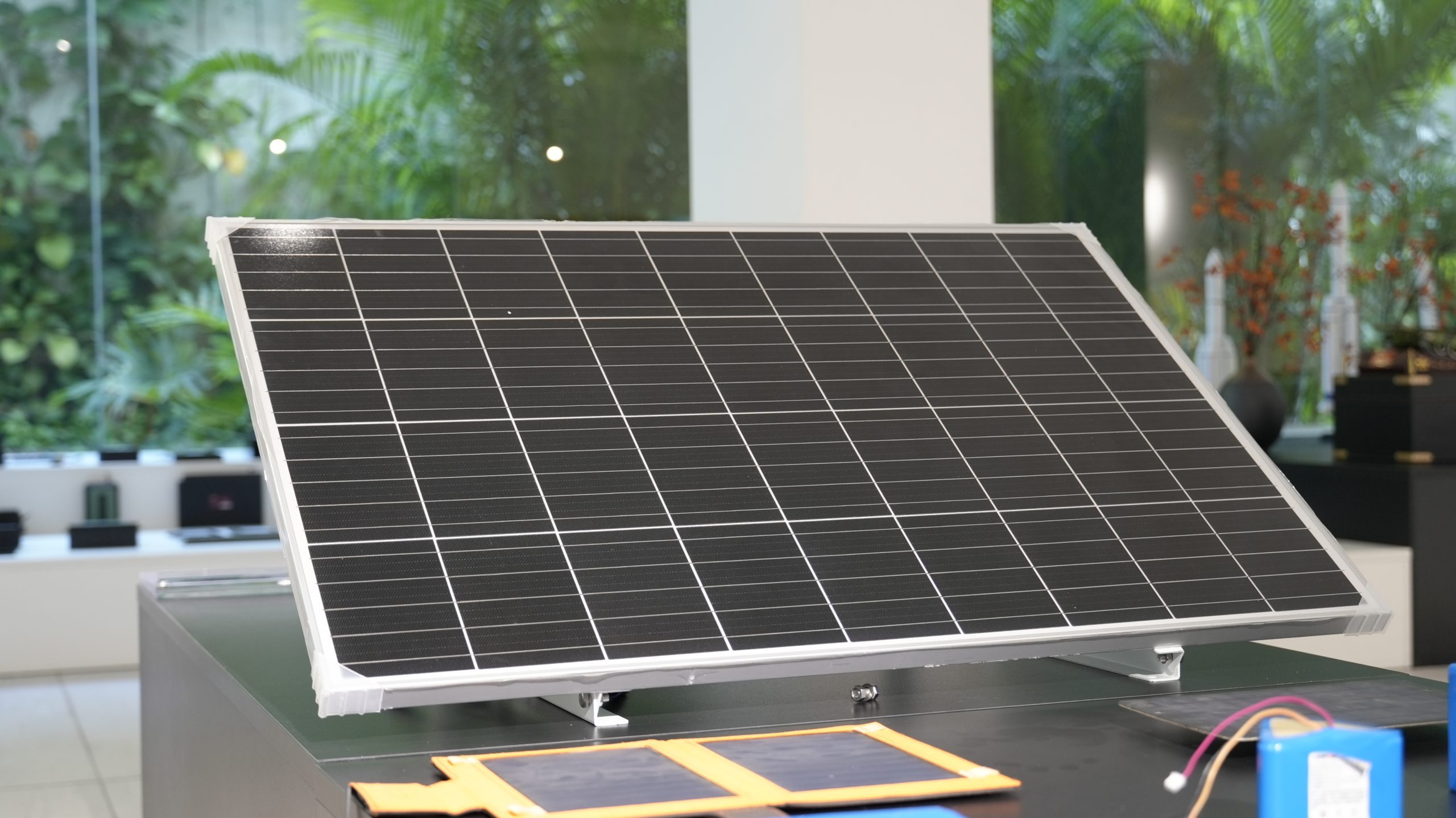
You can learn from real-world deployments that demonstrate how brands approach Solar Battery Solutions for outdoor security. Large Power designs off-grid solar battery systems for security cameras and sensors. Their Core Solar Power System combines a photovoltaic panel, waterproof lithium battery, and monitoring software. You receive real-time alerts about battery health, temperature, and power metrics. This setup replaces traditional lead-acid batteries and improves efficiency for remote security devices.
Tip: Choose systems with real-time monitoring and robust enclosures for reliable operation in harsh environments.
4.2 Common Pitfalls
You may encounter several pitfalls when designing and deploying solar battery systems for outdoor security. Seasonal sunlight changes can reduce performance by up to 60% in winter. You must size batteries and panels correctly and include 20-30% extra capacity for reliable winter operation. Extended cloudy periods can cause dimmed output after 3-5 days. Component durability is essential for long-term reliability.
Pitfall | Solution |
|---|---|
Overheating | Upgrade ventilation; add thermal sensors and alarms |
Corrosion | Re-seal and treat rust-prone areas; use desiccants |
Battery lifespan dips | Use BMS-led charging protocols |
Tampering | Add GPS trackers, cameras, motion lighting |
Assess your current solar system for compatibility.
Size your battery storage based on energy needs and backup goals.
Ensure system compatibility to avoid performance issues.
Engage a professional installer for proper setup.
Note: Avoid undersizing your battery and solar panels. Regular maintenance and monitoring help you prevent most issues.
You achieve reliable outdoor security by following key steps. First, select lithium battery packs with the right chemistry, such as LiFePO4, NMC, LCO, or LMO, for long cycle life and stable platform voltage. Next, size your batteries and solar panels based on device load, local climate, and seasonal sunlight changes. You protect your system from harsh environments by using insulated enclosures and corrosion-resistant materials. Regular monitoring and maintenance keep your Solar Battery Solutions running efficiently.
Proactive design and maintenance help you maximize uptime and reduce costs.
Specification | Description |
|---|---|
Capacity and Power | Store and deliver energy for security devices. |
Battery Life and Warranty | Ensure long-term durability and coverage. |
Safety Features | Protect against temperature extremes and hazards. |
Monitoring | Maintain battery health and energy availability. |
You secure your investment by prioritizing robust design and ongoing maintenance. This approach supports reliable operation in security, medical, robotics, infrastructure, and industrial applications.
FAQ
What lithium battery chemistry should you choose for outdoor security devices?
You should select LiFePO4 for high cycle life and safety. NMC offers higher energy density. LCO and LMO suit applications needing compact size. Each chemistry supports security, medical, robotics, infrastructure, and industrial devices.
How do you size lithium battery packs for 24/7 operation?
You calculate daily energy needs, then add 20–30% extra capacity for backup. Use this formula:
Battery Capacity (Ah) = Power Consumption (W) × Operating Time (h) / Voltage (V)
This ensures reliable performance in remote locations.
What maintenance do lithium battery packs require?
You inspect terminals, monitor voltage, and check temperature. Lithium batteries need less maintenance than lead-acid. Real-time monitoring systems help you detect issues early and maximize uptime.
How do you protect lithium battery packs from harsh weather?
You use IP67-rated enclosures, corrosion-resistant materials, and thermal management features. These steps keep batteries safe from dust, water, and temperature extremes.
Which industries benefit from all-in-one solar lithium battery solutions?
You find these solutions in security systems, medical devices, robotics, infrastructure, consumer electronics, and industrial sectors. Lithium battery packs deliver reliable power and long service life across these applications.


