

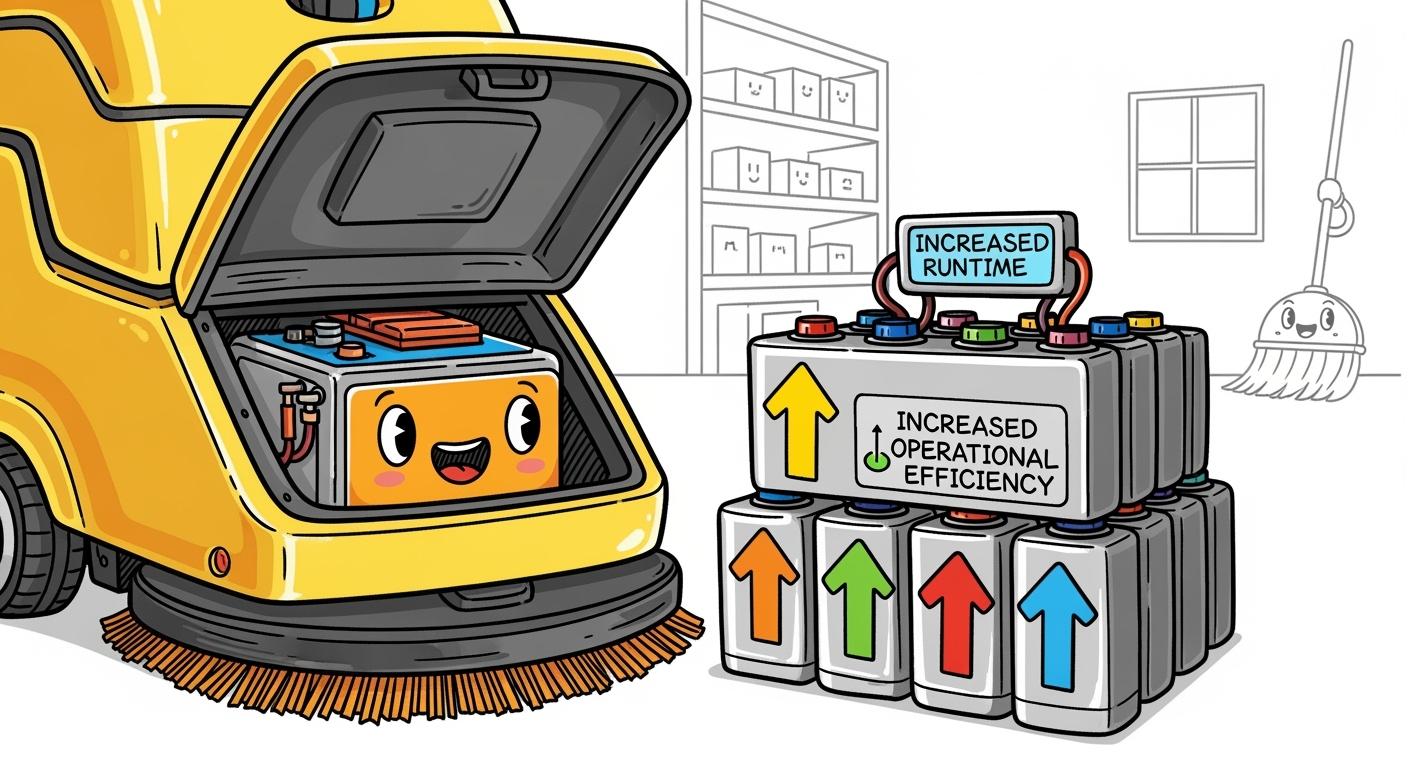
You face tough demands in industrial cleaning. Custom Battery Packs, especially those using advanced lithium-ion chemistries like LiFePO4 or NMC, help you meet these challenges. They deliver longer runtime, stable power, and improved safety compared to traditional lead-acid batteries. You benefit from faster charging, less maintenance, and reliable performance. This shift lets you keep your equipment running longer and reduce costly downtime.
Key Takeaways
Custom Battery Packs enhance runtime and efficiency, allowing for longer cleaning cycles without interruptions.
Lithium-ion batteries, like LiFePO4 and NMC, offer superior energy density and longer life, reducing maintenance and replacement costs.
Advanced Battery Management Systems (BMS) ensure safety by monitoring battery conditions and preventing hazards.
Opportunity charging allows for quick battery recovery during breaks, maximizing equipment uptime and productivity.
Tailoring battery solutions to specific equipment needs improves operational performance and meets unique industry challenges.
Part1: Custom Battery Packs and Runtime Efficiency
1.1 Addressing Industrial Cleaning Challenges
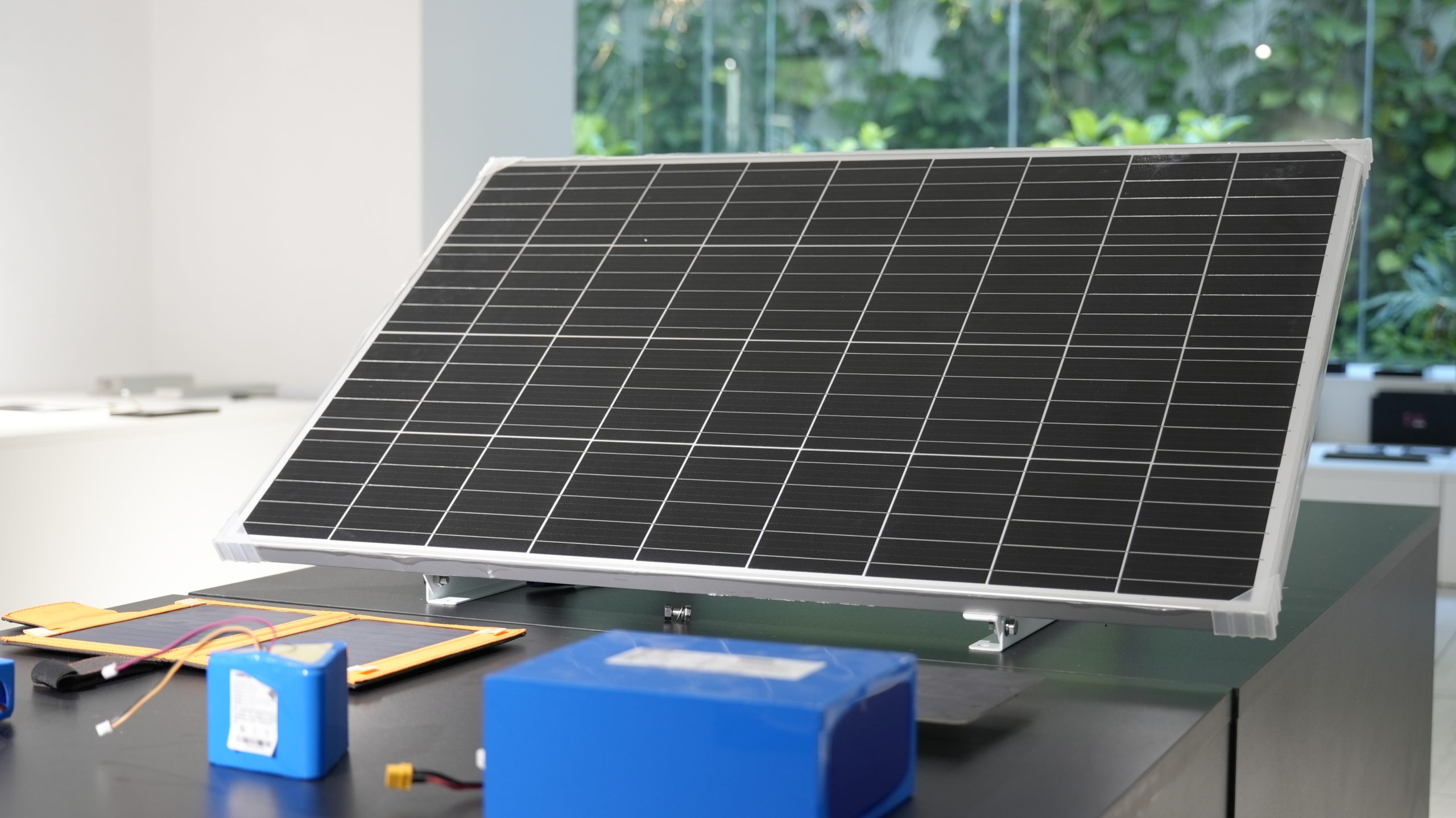
Industrial cleaning equipment faces several obstacles that can limit productivity and efficiency. You often deal with inconsistent machine performance, frequent downtime, and physical strain. These issues can reduce cleaning quality and increase operational costs. Custom Battery Packs help you overcome these challenges by providing reliable power and extended runtime.
Increased cognitive load can lower task accuracy and cause inconsistent results.
Cordless machines improve movement efficiency and help you focus on surface quality, which boosts morale and ensures uniform cleaning.
Reducing physical and cognitive burden can enhance mechanical efficiency by up to 67% and decrease whole-body strain.
Poor electrical infrastructure may cause voltage drops, heat buildup, trip hazards, and unreliable machine operation.
Custom Battery Packs, especially those using lithium-ion chemistries like LiFePO4 and NMC, deliver stable power and longer cleaning cycles. You gain the ability to clean larger areas without interruption. These battery packs also support applications in robotics, medical devices, and security systems, where consistent performance is critical.
Tip: Choosing the right battery pack can transform your cleaning operations by minimizing downtime and maximizing output.
Benefit | Description |
|---|---|
Extended Cleaning Time | High-capacity battery packs provide up to 120 minutes of uninterrupted runtime, allowing for complete cleaning in one session. |
Maintenance Reduction | Fewer recharges lead to less wear on the battery, extending its lifespan and reducing replacement costs. |
Improved Mobility | Lightweight battery options enhance the mobility and effectiveness of cleaning robots in industrial settings. |
1.2 Tailored Voltage and Discharge Solutions
You need battery packs that match the specific voltage and discharge requirements of your equipment. Custom Battery Packs allow you to select the right platform voltage and discharge rate for your machines. This customization ensures that your equipment operates at peak efficiency and delivers consistent results.
The transformer rectifier unit in electrostatic cleaning systems converts standard AC voltage to high-voltage DC. This process creates a stable electrical field, which improves particle collection and cleaning effectiveness. Discharge electrodes, made from thin copper wires, generate a strong corona discharge that ionizes particles, further enhancing the cleaning process.
Lithium-ion battery packs, including LiFePO4 and NMC, offer superior voltage stability and high energy density compared to traditional lead-acid batteries. You benefit from longer cycle life, higher coulombic efficiency, and reduced environmental impact. Battery management systems help maintain voltage stability and protect against over-discharge, which is essential for industrial and infrastructure applications.
Feature | Lithium-Ion | Lead-Acid |
|---|---|---|
Energy Density | Up to 7 times higher | Lower energy density |
Coulombic Efficiency | Above 99% | Up to 90% |
Cycle Life | Longer cycles without degradation | Degrades after ~500 cycles |
Voltage Stability | Enhanced through battery management systems | Less stable |
Environmental Impact | Up to 70% metal recovery | Risk of lead contamination |
You can rely on Custom Battery Packs to deliver the voltage and discharge performance your cleaning equipment needs. This technology also supports advanced applications in robotics and infrastructure, where precision and reliability matter most.
Part2: Lithium Battery Technologies in Cleaning Equipment
2.1 Lithium-Ion Chemistry Advantages
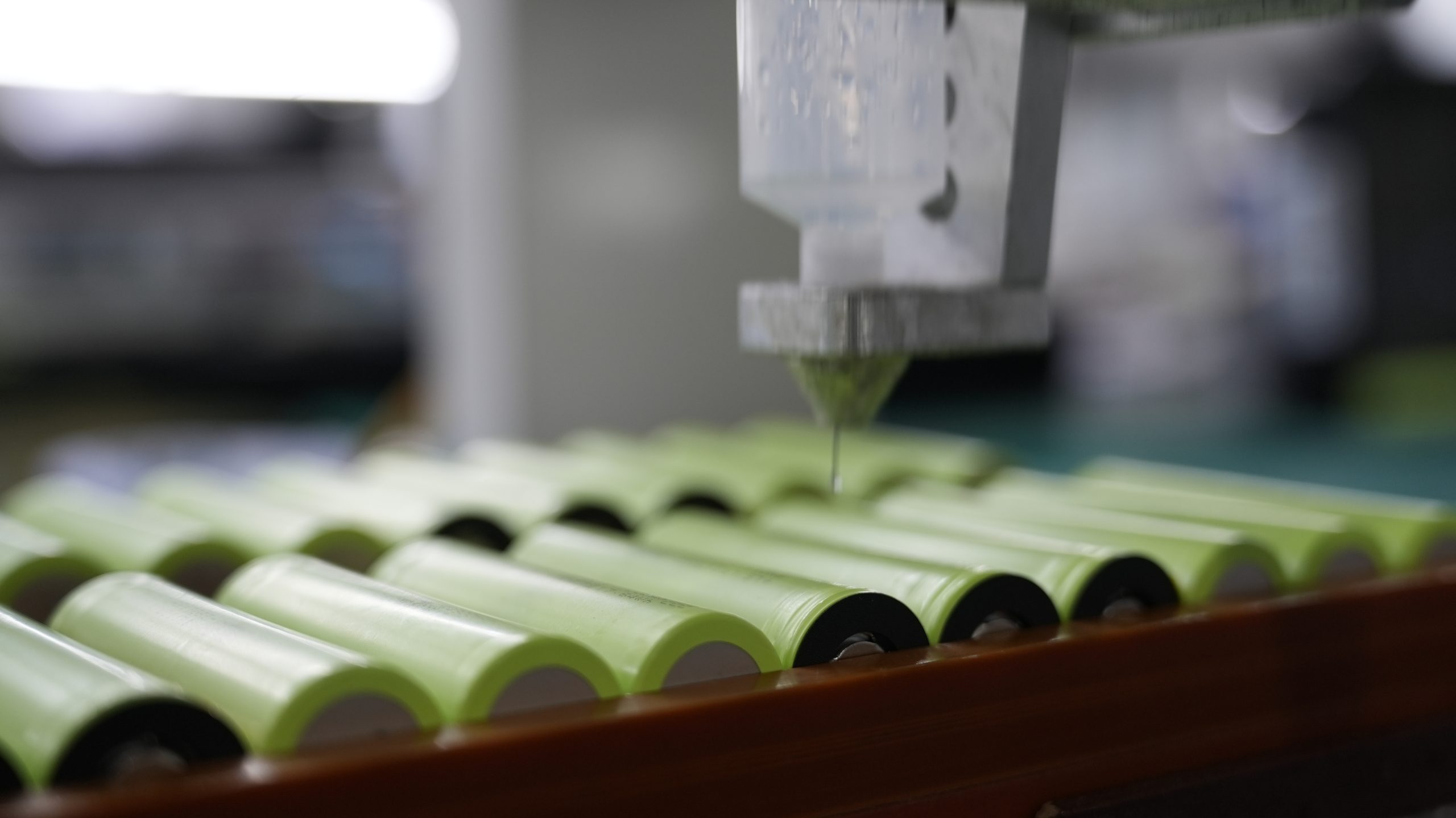
You gain significant benefits when you choose lithium-ion battery chemistries like LiFePO4, NMC, LCO, and LMO for industrial cleaning equipment. These batteries deliver longer operational life, higher efficiency, and improved safety compared to traditional lead-acid batteries. Advanced Battery Management Systems (BMS) monitor voltage, temperature, and charge cycles, which helps prevent overcharging and overheating. This technology reduces the risk of battery malfunctions and ensures safe operation.
Lithium-ion batteries provide better run-time and higher efficiency.
You experience a longer lifecycle, which lowers maintenance and operational costs.
BMS enhances safety by monitoring critical battery parameters.
Chemistry | Platform Voltage (V) | Energy Density (Wh/kg) | Cycle Life (cycles) |
|---|---|---|---|
LiFePO4 | 3.2 | 90-120 | 2000-5000 |
NMC | 3.7 | 150-220 | 1000-2000 |
LCO | 3.7 | 150-200 | 500-1000 |
LMO | 3.7 | 100-150 | 1000-2000 |
You see these chemistries used in medical devices, robotics, security systems, infrastructure, and industrial sectors.
2.2 Compact Design and Mobility
Lithium-ion batteries feature higher energy density and lighter weight. You handle equipment more easily and operate in tight spaces with improved maneuverability. Compact battery design reduces strain on the drivetrain, which lowers maintenance costs and supports continuous operation.
Benefit | Explanation |
|---|---|
Improved Maneuverability | Lighter batteries facilitate easier handling and operation in tight spaces. |
Enhanced Operational Efficiency | Advanced battery technologies provide longer runtimes and faster charging, crucial for continuous operations. |
Reduced Maintenance Costs | Lighter vehicles experience less strain on the drivetrain, leading to lower maintenance costs. |
Continuous Operation | Reduced battery size minimizes interruptions in cleaning schedules, allowing for uninterrupted service. |
You see these advantages in cleaning robots, medical equipment, and security systems. Compact batteries also support infrastructure and consumer electronics, where mobility and efficiency matter.
2.3 Opportunity Charging and Fast Recharge
You maximize equipment uptime with opportunity charging and fast recharge capabilities. Lithium-ion batteries, such as those in Custom Battery Packs, can fully charge in 1-2 hours. You recover 30–40% of battery capacity during short breaks, which increases operational availability. Fast charging is crucial in high-throughput environments, allowing for continuous operation and reducing downtime.
You rotate batteries continuously with opportunity charging.
Short breaks let you recover significant battery capacity.
Fast recharge supports uninterrupted cleaning schedules.
These features help you maintain productivity in industrial cleaning, robotics, and infrastructure applications.
Tip: Choosing lithium-ion batteries with advanced BMS and fast charging ensures your cleaning equipment stays ready for demanding tasks.
Part3: Key Features for Performance and Safety
3.1 High Capacity and Energy Density
You need battery packs that deliver high capacity and energy density to keep your industrial cleaning equipment running longer. Lithium-ion chemistries like LiFePO4 and NMC provide more stored energy and reduce equipment weight. This means you can clean larger areas without frequent recharging. Higher energy density improves maneuverability and efficiency, especially in robotics, medical devices, and security systems.
Metric | Description | Importance for Industrial Cleaning Equipment |
|---|---|---|
Capacity | Measure of stored energy (Ah or kWh). Higher capacity means more stored energy. | Essential for longer operational time without frequent recharging. |
Energy Density | Performance indicator (Wh/kg). Higher energy density means better performance and lower weight. | Critical for reducing equipment weight and enhancing maneuverability. |
Charge/Discharge Efficiency | Energy conversion efficiency (>90% for lithium PACKs). | Higher efficiency reduces energy losses, lowering operational costs. |
Cycle Life | Service longevity (thousands to tens of thousands of cycles). | Longer cycle life means reduced replacement frequency and costs. |
Safety | Includes overcharge, over-discharge, and thermal management protections. | Vital for safe operation in industrial environments. |
Advancements in lithium-ion battery technology allow cleaning machines to operate for longer periods. You minimize downtime and maintain high productivity in commercial and industrial settings.
3.2 Durability and Service Life
You rely on batteries that last through thousands of cycles. Lithium-ion batteries outperform lead-acid batteries in both energy storage and cycle life. Lead-acid batteries lose performance with deep discharges, but lithium-ion batteries maintain their capacity and durability. This makes them ideal for applications in infrastructure and industrial sectors.
Battery Type | Cycle Life (Discharged to 50%) | Cost per Cycle | Lifespan Comparison |
|---|---|---|---|
Lead Acid | 300-500 cycles | Higher | Shorter lifespan |
Lithium-Ion | 2000-5000+ cycles | Lower | Approximately 10x longer |
Lithium-ion batteries can be discharged to 80% while maintaining long cycle lifetimes (>3000 cycles).
Lead acid batteries at 80% depth of discharge only last 1000-1500 cycles.
Lithium-ion batteries last 3 times longer under similar discharge conditions.
You avoid frequent replacements and reduce operational costs with durable battery packs.
3.3 Safety and Battery Management Systems
Safety is critical in industrial cleaning. Battery Management Systems (BMS) monitor voltage, current, and temperature to prevent hazards like thermal runaway. BMS can shut down charging or disconnect faulty cells when abnormal conditions occur. Advanced BMS designs balance cells and regulate charging, ensuring safe operation in medical, robotics, and security systems.
Safety Feature | Description |
|---|---|
Battery Monitoring | Monitors the battery’s condition to prevent safety hazards. |
Safety | Identifies faults and implements safety protocols to prevent hazards. |
Energy Management | Regulates charging/discharging to prevent safety issues and battery degradation. |
Communication and Data Management | Facilitates data exchange and ensures security of battery system data. |
Thermal Management | Controls battery temperature to maintain safe operating conditions. |
Note: You can learn more about battery management systems and protection circuits for lithium battery packs at BMS and PCM.
Custom Battery Packs with advanced BMS help you maintain safe, reliable, and efficient cleaning operations.
Part4: Operational Benefits and Customization
4.1 Longer Cleaning Cycles and Less Downtime
You achieve longer cleaning cycles and less downtime when you use advanced lithium battery packs in your industrial cleaning equipment. Real-time monitoring lets you adjust cleaning operations based on actual conditions. Conductivity sensors detect product-to-water transitions, which speeds up changeovers and reduces product loss. Optimized cleaning cycles shorten rinse times and help you resume production faster. These improvements boost efficiency in industrial, medical, and infrastructure applications.
Real-time monitoring prevents unnecessary prolongation of cleaning cycles.
Conductivity sensors enable faster changeovers and minimize product loss.
Optimized cycles lead to shorter rinse times and quicker production resumption.
Tip: Longer cleaning cycles mean you spend less time recharging and more time cleaning, which increases uptime and productivity.
4.2 Reduced Maintenance and Replacement Costs
You save money and reduce maintenance when you switch to lithium-ion battery packs like LiFePO4 or NMC. These batteries require only annual visual inspections. Lead-acid batteries need frequent maintenance, such as electrolyte checks and monthly equalization charging. You avoid specialized training and labor costs. Over a decade, you can save between $28,000 and $48,000 in labor alone. Lithium batteries last up to ten years, while lead-acid batteries need multiple replacements. Fewer replacements and less downtime lower your total cost of ownership.
Lead-acid batteries last only 300–800 cycles and require frequent maintenance.
Lithium iron phosphate batteries offer 3,000–5,000 deep cycles and are nearly maintenance-free.
Fewer replacements and less downtime reduce hidden costs.
Switching to lithium-ion technology improves performance and sustainability.
4.3 Customization for Application Needs
Custom Battery Packs let you tailor solutions for your specific operational requirements. You benefit from energy-efficient welding, optimal cooling, and crash protection. Automated production and technical cleanliness ensure high-quality battery components. These features support demanding environments in robotics, medical devices, security systems, and industrial sectors.
Benefit | Description |
|---|---|
Energy-efficient welding | Laser technology minimizes processing times and spatter formation. |
Optimal cooling | Cooling systems maintain ideal battery performance. |
Crash protection | Custom frames provide stability and safety. |
Automated production | Laser technology enables efficient battery manufacturing. |
Technical cleanliness | Laser cleaning ensures contaminant-free components. |
Customized cleaning protocols improve effectiveness and minimize disruption to normal operations. You meet unique equipment and contamination challenges with tailored battery solutions.
Part5: Selecting the Right Custom Battery Pack
5.1 Assessing Equipment and Usage
You need to start by understanding your equipment and how you use it. This step helps you choose the best battery solution for your industrial cleaning machines, robotics, or medical devices. Follow these steps to assess your needs:
Analyze your equipment’s requirements and specifications.
Check the power needs, including both peak and continuous power ratings.
Evaluate the battery capacity needed for your desired performance.
Consider the environment, such as temperature and humidity levels.
Measure the available space and note any weight limits.
Tip: A detailed assessment ensures your battery pack will deliver reliable performance in demanding sectors like infrastructure and security systems.
5.2 Partnering with Solution Providers
Selecting the right partner is key for successful battery integration. Look for providers with proven experience and strong safety standards. Use this table to guide your decision:
Factor | Description |
|---|---|
Quality Certifications | Confirm the provider meets industry standards and delivers quality-controlled products. |
Industrial Device Product Experience | Choose a partner with experience in industrial, medical, or robotics battery solutions. |
Safety & Reliability | Ensure the provider follows strict safety standards to prevent risks. |
Expectations & Collaboration | Seek open communication and a collaborative approach. |
Industrial Device Engineering Requirements | The provider’s engineering team should understand your application’s unique needs. |
Note: A strong partnership leads to better solutions and long-term reliability.
5.3 Integration and Best Practices
You must integrate your battery pack carefully to ensure safety and performance. Leading providers use quality management systems and in-house testing to guarantee compatibility. They also design advanced battery management systems (BMS) for real-time monitoring and diagnostics. Follow these best practices:
Use chargers designed for your battery chemistry, such as LiFePO4 or NMC.
Avoid overcharging or trickle charging lithium-based batteries.
Add safety devices like current interrupt devices and solid-state switches.
Plan for effective thermal management to prevent overheating.
Inspect and test battery packs regularly to maintain quality.
Callout: Careful integration reduces downtime and extends the life of your Custom Battery Packs.
You improve runtime, efficiency, and ROI when you choose Custom Battery Packs for your industrial cleaning equipment. You match battery solutions to your operational needs for the best results. To move forward:
Assess your current equipment and power requirements.
Consult with battery experts for tailored recommendations.
Explore options that fit your industry, such as robotics or medical devices.
Take action now to boost productivity and reduce downtime.
FAQ
What are the main advantages of using LiFePO4 or NMC battery packs in industrial cleaning equipment?
You gain longer cycle life, higher energy density, and stable platform voltage. LiFePO4 offers up to 5,000 cycles and strong safety. NMC provides higher energy density for compact designs. Both chemistries support robotics, medical, and industrial applications.
How do custom lithium battery packs improve operational efficiency?
You experience longer runtime, fast charging, and reduced maintenance. Custom packs match your equipment’s voltage and discharge needs. This leads to fewer interruptions in cleaning, security, or infrastructure operations.
Can lithium battery packs be used in medical and robotics equipment?
Yes. You can use LiFePO4, NMC, LCO, and LMO battery packs in medical devices and robotics. These chemistries offer reliable power, high energy density, and long cycle life. They meet strict safety and performance standards.
What is the typical charging time for lithium-ion battery packs?
You can fully charge most lithium-ion battery packs in 1–2 hours. Opportunity charging lets you recover 30–40% capacity during short breaks. This feature supports continuous use in industrial, security, and infrastructure sectors.
How do battery management systems (BMS) enhance safety?
You benefit from real-time monitoring of voltage, current, and temperature. BMS prevents overcharging, overheating, and cell imbalance. This protection is essential for safe operation in industrial, medical, and robotics applications.


