

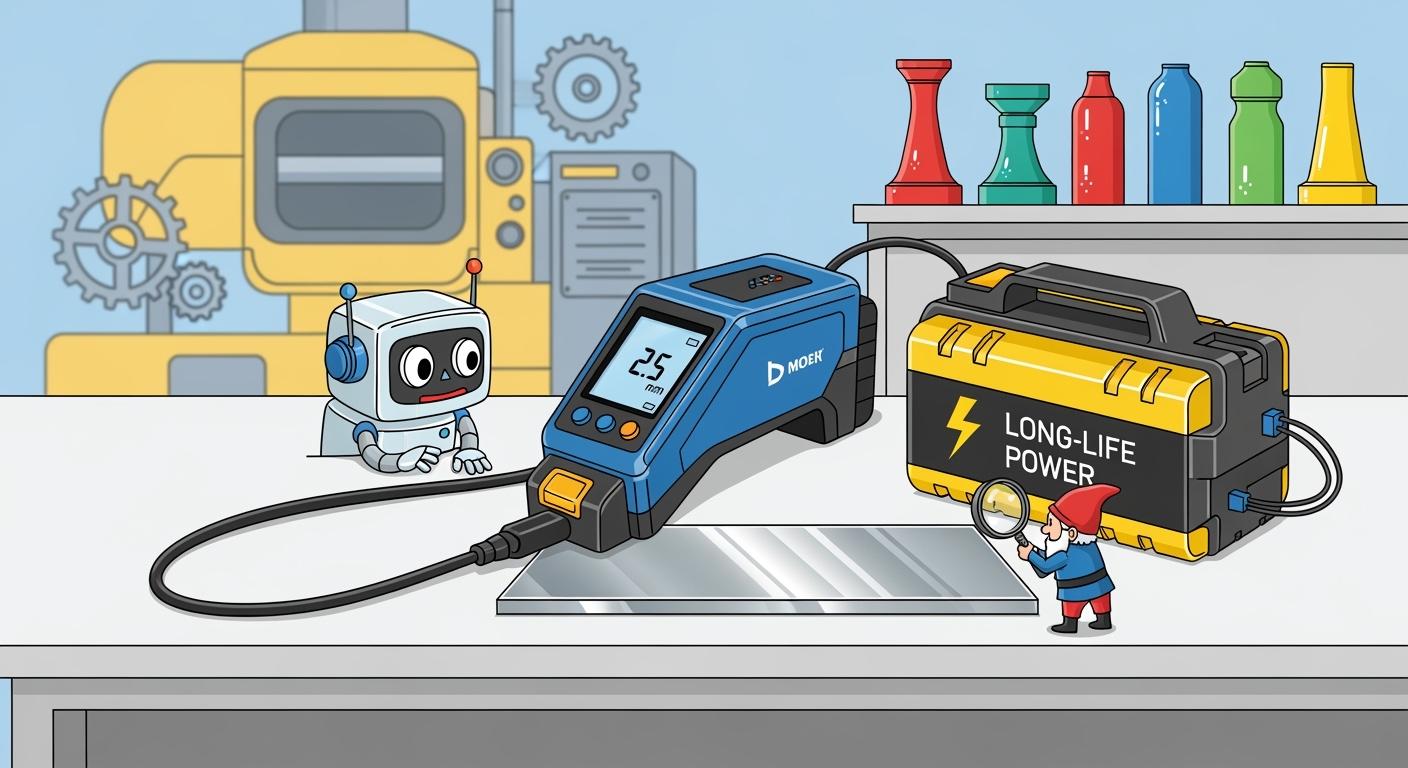
Portable metal thickness gauges require stable, dependable power to maintain measurement accuracy during coating evaluation, corrosion monitoring, and industrial quality inspections. High-performance lithium-ion battery packs provide the energy density and extended runtime needed for field and production-floor use without adding excessive weight to handheld equipment.
A properly designed battery system delivers consistent voltage while supporting battery status monitoring, accurate remaining-capacity estimation, and protection against overcharging, over-discharging, overcurrent, short circuits, and abnormal temperatures. Pack selection should also consider operating temperature, inspection duration, charging requirements, enclosure protection, and resistance to vibration and impact.
By matching battery capacity, dimensions, protection functions, and environmental durability to the gauge’s actual power demands, you can reduce inspection interruptions and maintain reliable performance throughout demanding measurement workflows.
Key Takeaways
Choose lithium-ion batteries for portable metal thickness gauges. They provide high energy density, long run times, and advanced safety features.
Monitor battery health with advanced gauges. This practice helps maintain accurate measurements and reduces the risk of unexpected power loss during inspections.
Select batteries with high milliamp-hour (mAh) ratings for longer operation. This choice allows you to complete more inspections without interruptions.
Consider environmental factors when selecting batteries. Ensure they can withstand high temperatures, vibrations, and other harsh conditions to maintain performance.
Implement regular maintenance and charging best practices. Proper care extends battery lifespan and ensures reliable operation in industrial settings.
Part1: High-Performance Battery Solutions: Requirements
1.1 Battery Capacity and Longevity
You need reliable power for your portable metal thickness gauges during long inspection shifts. Battery capacity determines how long your device can operate before you must recharge or replace the battery. High-Performance Battery Solutions offer extended run times, which means you can complete more inspections without interruption. Longevity also matters. A battery with a long cycle life reduces the need for frequent replacements, saving you time and lowering maintenance costs.
Tip: Choose batteries with high milliamp-hour (mAh) ratings for longer operation. Check the manufacturer’s cycle life specifications to ensure the battery will last through many charge and discharge cycles.
Rechargeability is another key factor. You want batteries that recharge quickly and retain their capacity over time. Safety features, such as overcharge and short-circuit protection, help prevent device failure and protect your team in industrial environments.
1.2 Environmental and Operational Challenges
Industrial inspection often takes place in challenging environments. You may work in areas with high temperatures, strong vibrations, or the need for rapid deployment. These factors can affect battery performance and device reliability.
High temperatures can damage ultrasonic transducers and batteries. When temperatures rise above 50 °C, thermal expansion can cause permanent damage. Your device may need more energy for recalibration, which increases power consumption and reduces battery life.
Sound velocity changes with temperature. This can impact measurement accuracy and force your device to use more energy to adjust settings.
High attenuation levels at elevated temperatures require increased gain. This adjustment draws more power from the battery, shortening run time.
Portability and ruggedness are also important. You need batteries that withstand shock, vibration, and extreme conditions. The table below highlights key requirements for different application areas:
Application Area | Key Requirements | Battery Types |
|---|---|---|
Drilling Rigs | Compact, portable, rapid deployment | Lithium-ion, advanced lead-acid |
Military and aerospace programs demand battery designs that handle:
Shock
Vibration
Extreme temperatures
Altitude
Regulatory requirements also influence your battery choices. New rules will soon require carbon footprint reporting, battery passports, and recycled materials for industrial batteries. You must consider these factors when selecting batteries for your inspection devices.
Note: Always check for compliance with upcoming regulations to ensure your battery solutions remain valid for future use.
High-Performance Battery Solutions help you meet these challenges by providing reliable, safe, and efficient power for your portable metal thickness gauges in any environment.
Part2: Battery Technologies Overview
2.1 Lithium-Ion High-Performance Battery Solutions
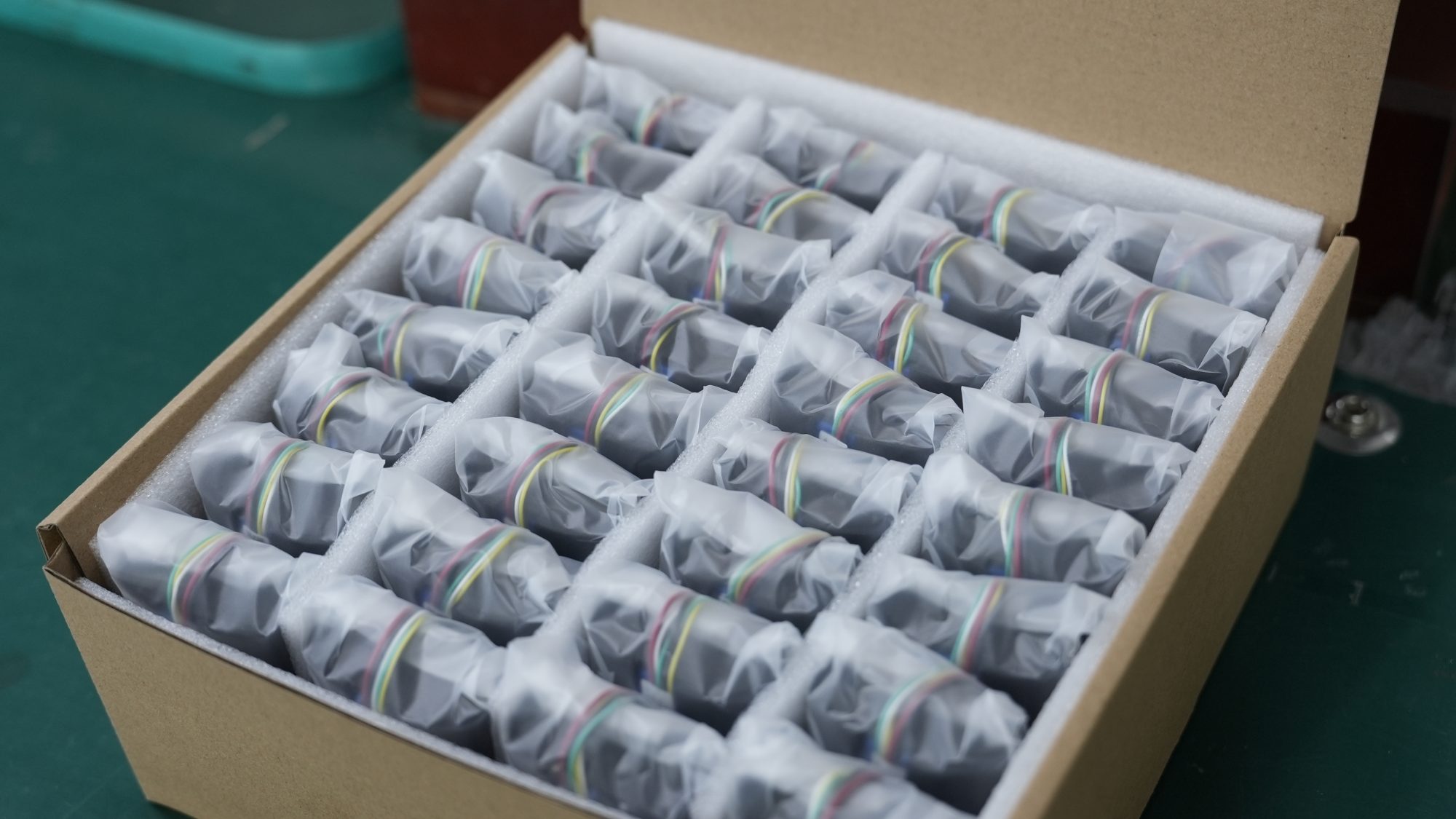
You depend on lithium-ion batteries for portable metal thickness gauges because they deliver high energy density and long run times. These batteries weigh less than other types, so you can carry your inspection device easily. Lithium-ion batteries also offer advanced safety features, which protect your equipment in industrial environments.
The table below shows key performance metrics that make lithium-ion batteries ideal for High-Performance Battery Solutions:
Metric | Description |
|---|---|
Energy-to-weight ratio | Lithium-ion batteries excel in energy-to-weight ratio, making them lightweight and efficient. |
Memory effect | They exhibit almost zero memory effect, allowing for flexible usage without performance loss. |
Self-discharge rate | Low self-discharge when idle ensures longer shelf life and readiness for use. |
Charge/discharge rate | Operational parameters like charge/discharge rate influence performance, crucial for portable devices. |
Electrode material properties | Physical properties such as species diffusivity and electric conductivity affect overall battery performance. |
You can choose from several lithium-ion chemistries, such as NMC (Nickel Manganese Cobalt), NCA (Nickel Cobalt Aluminum), LCO (Lithium Cobalt Oxide), and LMO (Lithium Manganese Oxide). NMC and NCA cells provide high energy density, which is important for applications needing lighter weight or longer runtime. LCO and LMO offer balanced performance for devices used in medical, robotics, security systems, and industrial sectors.
Tip: Select lithium-ion batteries with advanced battery gauges. These gauges monitor charge levels and battery health, so you can optimize performance and reduce downtime.
Recent advancements in battery gauge technology help you maintain accurate measurements and extend battery life. Electrochemical Impedance Spectroscopy (EIS) scans batteries using a frequency spectrum to assess performance. Spectro Technology uses EIS to create a Nyquist plot, allowing rapid capacity and CCA estimation. Health-check engines in chargers integrate battery health monitoring with charging, so your batteries stay at optimal capacity.
2.2 Alternative Chemistries: NiMH, LiFePO4
You may consider alternative battery chemistries for portable metal thickness gauges. Nickel-metal-hydride (NiMH) batteries serve as a stepping stone to lithium-based systems. They offer higher energy density than nickel-cadmium batteries, but their cycle life is reduced. NiMH batteries are common in mobile phones and laptops, making them a viable option for portable devices.
LiFePO4 (Lithium Iron Phosphate) batteries provide strong safety and long cycle life. They have lower energy density than some lithium-ion types, but their thermal stability makes them a preferred choice for industrial applications. LTO (Lithium Titanate Oxide) batteries deliver exceptional cycle life and operate effectively in a wide temperature range. These features are critical for extreme environments, such as drilling rigs, aerospace, and infrastructure inspection.
The table below compares battery chemistries for portable inspection devices:
Battery Type | Advantages | Disadvantages |
|---|---|---|
LiFePO4 | Stronger safety, longer life | Lower energy density than some lithium-ion types |
Lithium-ion | High energy density, low weight, long cycle life | Higher cost, temperature sensitivity, recycling complexity |
NiMH | Good quick charge performance, no memory effect | Lower energy density compared to lithium-ion, reduced cycle life |
You can see that lithium-ion batteries offer high energy density, efficient performance, and advanced safety features. LiFePO4 batteries provide thermal stability and reliability, which are important for long-term industrial use. NiMH batteries deliver good quick charge performance and no memory effect, but their energy density and cycle life are lower.
LTO batteries operate in extreme temperatures and deliver up to 20,000 cycles.
NMC batteries provide high energy density and compact size.
LFP batteries (LiFePO4) offer thermal stability and safety.
Note: The best battery material depends on balancing energy density, safety, lifespan, cost, and application. You should match battery chemistry to your inspection environment and device requirements.
Advanced battery gauges improve performance for all chemistries. You can use EIS and health-check engines to monitor battery health and optimize charging. These technologies help you maintain accurate measurements and reduce maintenance costs.
You rely on High-Performance Battery Solutions to ensure your portable metal thickness gauges operate efficiently in diverse industrial environments. Choosing the right battery chemistry and monitoring technology supports productivity and safety in every inspection.
Part3: Selecting the Right Battery
3.1 Matching Battery Specs to Gauge Needs
You must select batteries that match the power requirements of your portable metal thickness gauges. Start by checking the device’s voltage and current needs. Choose batteries with the right capacity, measured in milliamp-hours (mAh) or watt-hours (Wh), to ensure your gauge operates through long inspection shifts. Lithium-ion battery packs, such as NMC or LiFePO4, offer high energy density and long cycle life. These features support industrial applications in medical, robotics, security systems, and infrastructure inspection.
You should also consider the discharge rate. Devices that require fast bursts of power need batteries with a high C-rating. Safety features, like overcharge and short-circuit protection, help prevent failures and protect your equipment. Compatibility matters. Make sure the battery fits your gauge’s design and power requirements.
Tip: Always review the manufacturer’s specifications for your gauge and battery. This step helps you avoid downtime and ensures reliable performance.
3.2 Field Use Considerations
Field inspections demand batteries that balance capacity, weight, and size. Heavy batteries can make your device harder to carry and reduce productivity. You need a battery that supports rapid deployment and withstands harsh conditions. Maintenance and replacement should be simple, so you can keep your gauges running with minimal effort.
The table below highlights key parameters to evaluate when selecting batteries for field use:
Key Parameter | Consideration |
|---|---|
Capacity (mAh or Wh) | Supports longer operation; must balance against weight. |
Weight | Lighter batteries improve portability and reduce fatigue. |
Discharge Rate (C-Rating) | High C-Rating ensures stable performance during heavy use. |
Safety Features | Prevent battery failure and protect users in industrial settings. |
Compatibility | Must fit the device’s design and power requirements. |
You should choose High-Performance Battery Solutions that offer easy maintenance and quick replacement. These features help you minimize downtime and maximize productivity during inspections. Rugged battery packs, such as LiFePO4, perform well in extreme environments and support reliable operation.
Note: Regularly check battery health and replace batteries before they reach the end of their cycle life. This practice keeps your inspection workflow efficient.
Part4: Impact on Industrial Inspection

4.1 Battery Performance and Measurement Accuracy
You depend on accurate measurements when you inspect metal thickness in industrial settings. Battery performance plays a key role in this process. When your portable gauge uses a reliable battery, you avoid sudden power drops that can cause errors. Consistent voltage ensures your device maintains calibration and delivers precise readings. If your battery loses charge quickly or fluctuates, your gauge may produce inaccurate results. You need batteries with stable output, such as lithium-ion or LiFePO4, to support measurement accuracy.
Advanced battery gauges help you monitor charge levels in real time. You can check battery health before starting an inspection. This practice reduces the risk of interruptions and faulty measurements. High-Performance Battery Solutions give you confidence that your device will operate at peak performance throughout your workflow.
Tip: Always verify battery status before beginning critical inspections. This step helps you maintain quality standards and avoid costly mistakes.
4.2 Productivity and Workflow Improvements
You improve productivity when you use batteries that last longer and recharge quickly. High-Performance Battery Solutions allow you to complete more inspections without stopping to replace or recharge batteries. You save time and reduce downtime, which boosts your workflow.
Industrial inspection teams often use automated systems and robotic workstations. These setups require batteries that support continuous operation. The table below shows how advanced technologies and battery solutions drive productivity in industrial inspection:
Key Features & Technologies | Key Outcomes |
|---|---|
Integrated SCARA 4-Axis Robots | Scalable Production Capacity |
Allen-Bradley ControlLogix Platform | Global Equipment Sourcing & Seamless Integration |
Custom Robotic Workstations | Cost-Effective Domestic Manufacturing |
Precision Alignment for Automated Conveyors | Maximum Safety & Quality Standards |
Turnkey Installation & System Integration | Record-breaking throughput expected |
You see these improvements in sectors like medical, robotics, security systems, and infrastructure. Reliable batteries enable automated devices to run longer and deliver consistent results. You can deploy inspection tools in harsh environments, knowing they will perform as expected.
Note: Choose battery packs with advanced monitoring features. This choice helps you maximize uptime and maintain high productivity in your inspection workflow.
Part5: Battery Management Best Practices
5.1 Charging and Storage Tips
You need to follow strict charging protocols to ensure safety and optimal performance for lithium battery packs in industrial inspection devices. Proper installation and secure connections of charging equipment prevent resistance and heat buildup. Use cables with the correct size to avoid voltage drops and overheating. Monitor battery temperature during charging; suspend charging if the temperature exceeds 45°C. Ground fault protection and proper grounding help prevent electrical hazards. Adequate ventilation around chargers and batteries dissipates heat and reduces risk. Establish comprehensive safety protocols and emergency procedures for charging operations.
Tip: Always check that your charging station meets industry standards for safety and reliability. This practice protects your equipment and your team.
For storage, keep batteries in a cool, dry environment. Avoid storing fully charged batteries in high temperatures. This reduces the risk of capacity loss and extends battery life. You should store batteries at partial charge when not in use for extended periods.
5.2 Maximizing Battery Lifespan
You can maximize battery lifespan by managing charge levels and avoiding extreme conditions. Limit the charge range to prolong battery life. Aim for an 80% depth of discharge (DoD) for optimal cycle life. Avoid exposing batteries to high temperatures, especially when fully charged. Regular maintenance routines, including inspections and cleaning, ensure efficient operation and minimize downtime.
Choosing the right battery chemistry, such as LiFePO4 or NMC, supports long-term reliability in medical, robotics, security systems, and industrial sectors. Implement predictive maintenance by analyzing real-time sensor data. This approach allows you to plan maintenance proactively based on actual battery condition. Use a quality management system to monitor inspection data and detect defects early, which minimizes downtime and reduces production costs.
Note: Battery management systems (BMS) play a critical role in monitoring and protecting lithium battery packs.
You maintain productivity and extend battery lifespan by following these best practices for charging, storage, and maintenance.
You achieve reliable and efficient inspections by choosing lithium-ion batteries and advanced battery gauges for your portable metal thickness gauges. These batteries deliver consistent performance because manufacturers use strict quality control in material selection and testing. You benefit from enhanced productivity since advanced battery inspection technologies help detect failures early and reduce downtime. Proper battery selection and management ensure your devices operate safely and accurately in industrial environments.
Remember: Quality control and battery health monitoring are essential for maintaining high standards in industrial inspection.
Lithium-ion batteries support long run times and stable output.
Advanced battery gauges help you monitor charge levels and battery health.
Careful battery management maximizes device lifespan and inspection accuracy.
FAQ
What makes lithium-ion batteries ideal for portable metal thickness gauges?
Lithium-ion battery packs combine high energy density, low weight, and low self-discharge. These characteristics help portable metal thickness gauges operate for longer inspection periods without making the equipment unnecessarily heavy. A properly designed pack also maintains stable power for the gauge’s sensor, display, processor, data storage, and communication functions.
How do advanced battery gauges improve inspection accuracy?
A battery fuel-gauge system estimates the remaining capacity, state of charge, and available runtime. It helps operators plan battery replacement or recharging before beginning a critical inspection. Although the fuel gauge does not directly improve measurement accuracy, it reduces the risk of unexpected shutdowns, incomplete records, and interruptions during coating, corrosion, or quality-control inspections.
Which battery chemistry suits harsh industrial environments best?
Chemistry | Safety | Cycle Life | Energy Density | Application Scenario |
|---|---|---|---|---|
LiFePO4 | High | Long | Moderate | Industrial, infrastructure |
NMC | Moderate | Long | High | Medical, robotics |
LCO | Moderate | Moderate | High | Consumer electronics |
LMO | Moderate | Moderate | Moderate | Security systems |
LiFePO4 batteries may be preferred when cycle life and thermal stability are the main priorities. NMC is often more appropriate when the device requires a smaller, lighter battery. The final choice should be based on voltage, runtime, discharge current, available space, operating temperature, and applicable safety requirements.
How can you extend battery life in portable inspection devices?
Use the charger specified for the battery pack and avoid repeated deep discharges whenever possible. Store the battery in a cool, dry environment and within the manufacturer’s recommended state-of-charge range. Inspect the battery, connector, cable, and enclosure regularly. Stop using the pack if it becomes swollen, damaged, wet, unusually hot, or unable to hold a normal charge.
What protection features should an industrial lithium battery pack include?
You should look for overcharge protection, short-circuit prevention, and thermal management. These features protect your equipment and ensure safe operation in demanding industrial settings.


