

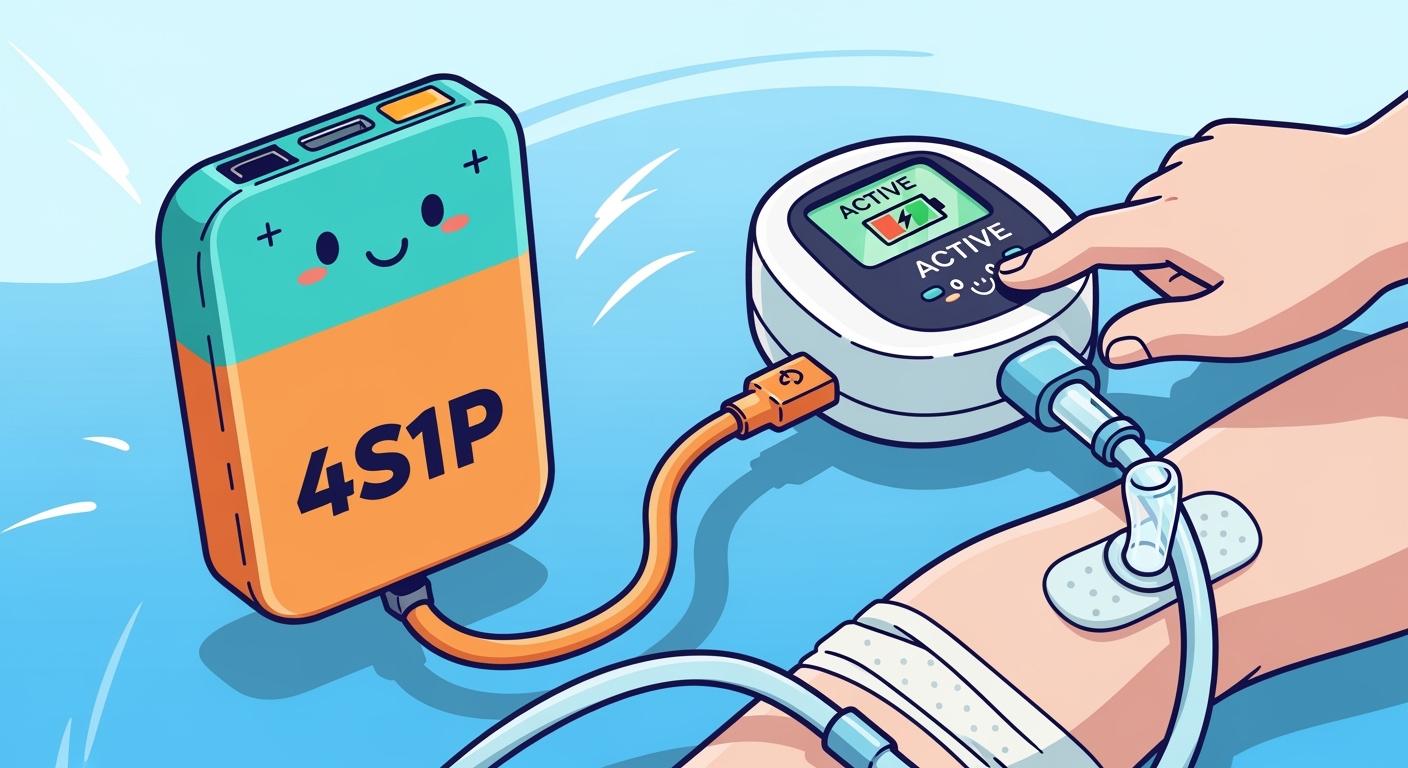
Negative pressure wound therapy devices require stable, lightweight, and reliable power to support continuous patient care. A well-designed lithium battery pack delivers consistent voltage, improves patient mobility, and helps these medical devices operate safely throughout treatment. High-quality cells, an integrated Battery Management System (BMS), and effective thermal protection reduce the risks of leakage, overheating, and unexpected shutdowns. Fast charging, regulatory compliance, and application-specific battery engineering further improve device reliability and clinical efficiency.
Key Takeaways
Choose a 4S1P battery configuration for stable voltage and lightweight design in medical devices. This setup enhances portability and reliability.
Select high-quality lithium cells with stable chemistry to reduce risks of leakage and thermal events. This choice ensures longer battery life and safer operation.
Implement robust safety features like a battery management system and proper storage practices. These measures protect against overcharging and ensure safe use in medical environments.
Part1: Lithium Battery Design and Safety
1.1 4S1P Configuration for Medical Devices
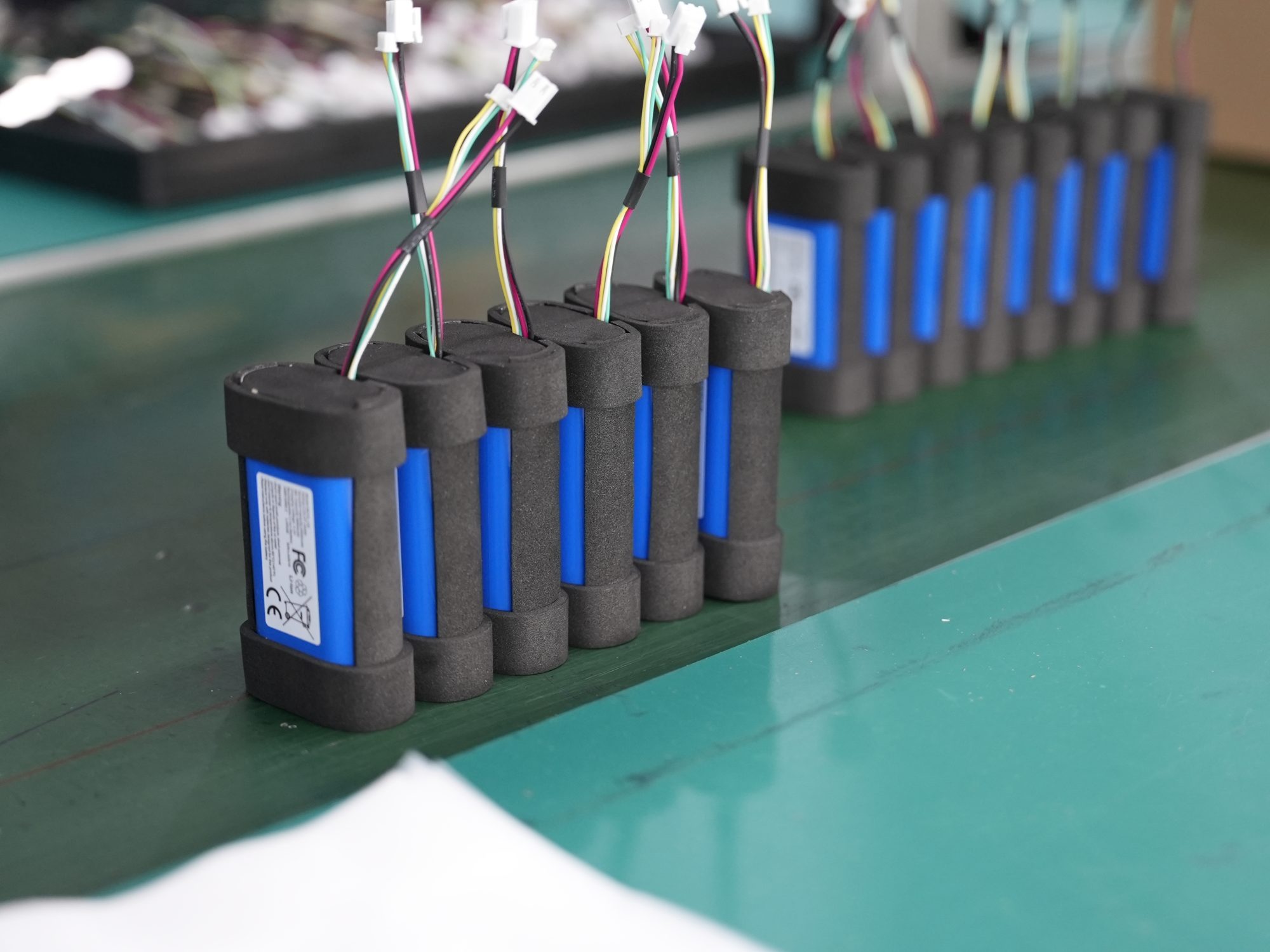
Negative pressure wound therapy devices require a compact battery configuration that can deliver stable voltage throughout treatment. A 4S1P battery pack connects four lithium-ion cells in series, typically providing a nominal voltage of 14.4V or 14.8V, depending on the selected cell chemistry. Its single parallel string helps reduce pack size and weight, making it suitable for portable medical devices with limited enclosure space.
The 4S1P architecture can provide the required operating voltage without adding unnecessary cell capacity or bulk. It also simplifies cell monitoring and balancing through an integrated Battery Management System (BMS), helping protect against overcharge, over-discharge, overcurrent, and temperature abnormalities. The final voltage, capacity, discharge capability, and protection settings should be matched to the pump load, required treatment runtime, charging system, and applicable medical device standards.
1.2 Cell Selection and Voltage Stability
Selecting high-quality cells is the foundation of safe and effective lithium-ion batteries. You must consider several criteria to ensure your energy storage systems meet the demands of medical and other critical applications. The following table summarizes the main criteria for cell selection:
Criteria | Description |
|---|---|
Safety | Ensure the battery is protected against overcharging, physical damage, and extreme temperatures. |
Voltage and Capacity | Match the battery’s voltage (14.8V nominal) and capacity (mAh) to the device’s power requirements. |
Environmental Conditions | Consider temperature range and moisture resistance for optimal performance and lifespan. |
Certification and Standards | Verify compliance with international safety standards (UN 38.3, IEC 62133, CE Marking). |
Cost and Supplier Reliability | Evaluate supplier reputation, lead time, and warranty options to ensure quality and support. |
Tip: When sourcing cells, always check for supplier transparency regarding sustainability and conflict minerals. Learn more about sustainable battery sourcing and conflict minerals compliance.
You should choose cells with stable chemistry, such as LiFePO4, NMC, LCO, LMO, or LTO, depending on your application scenario. The table below compares common lithium-ion battery chemistries and their properties:
Chemistry | Nominal Voltage | Energy Density (Wh/kg) | Cycle Life (cycles) | Safety Level | Application Scenarios |
|---|---|---|---|---|---|
LiFePO4 | 3.2V | 100–180 | 2000–5000 | High | Medical, Industrial, Infrastructure |
NMC | 3.6V | 160–270 | 1000–2000 | Medium | Medical, Robotics, Consumer Electronics |
LCO | 3.7V | 180–230 | 500–1000 | Low | Consumer Electronics, Security |
LMO | 3.7V | 120–170 | 300–700 | Medium | Industrial, Security |
LTO | 2.4V | 60–90 | 10000–20000 | Very High | Infrastructure, Industrial |
High-quality lithium-ion batteries use cells with stable chemistry. This stability reduces the risk of leakage or thermal runaway, which is critical for medical battery packs. You benefit from longer service life and fewer failures. These cells also include safety features that protect against overcharging and high temperatures, further reducing the risk of leakage.
1.3 Safety Features and Thermal Management
You must implement robust safety features to prevent thermal events and ensure safe operation in energy storage systems. The following table outlines the most effective safety features for 4S1P lithium-ion batteries:
Safety Feature | Description |
|---|---|
Use a Compatible Charger | Always use a 4S-specific lithium-ion charger with overvoltage, overcurrent, and polarity protection. |
Prevent Deep Discharge | Implement a low-voltage cutoff to avoid discharging below 2.5V–3.0V per cell. |
Keep the Pack Dry and Clean | Ensure the battery is not exposed to moisture to prevent short circuits and corrosion. |
Follow Correct Storage Practices | Store in a cool, dry place at 40%–60% charge to reduce fire risk. |
Have an Emergency Response Plan | Keep a Class D or ABC fire extinguisher nearby and know how to respond to battery fires. |
Install a Battery Management System | A BMS is crucial for disconnecting the circuit during unsafe conditions and balancing cells. |
You should always use a protection board in your battery design. This board sets a charge cut-off voltage of 16.8V and a discharge cut-off voltage of 11.2V. These limits prevent overcharging and over-discharging, which can damage cells and cause safety issues. A smart battery management system (BMS) adds another layer of safety. The BMS monitors voltage, current, temperature, and state of charge. It provides overcharge, over-discharge, overtemperature, and short circuit protection. This system disconnects the battery during unsafe conditions and balances the cells for optimal performance.
You must operate lithium-ion batteries within an optimal temperature range of 20–50°C. This range supports safe operation and extends battery life. Always follow international safety standards such as UN 38.3 and IEC 62133. These standards ensure your energy storage technologies meet global requirements for transport and use in medical and other critical sectors.
Note: Adhering to medical device safety standards is not optional. It is a regulatory requirement that protects patients and ensures your products remain competitive in the market.
By focusing on these design principles, you can build energy storage systems that deliver safety, reliability, and performance for medical and other demanding applications.
Part2: Integration and Energy Storage Systems

2.1 Device Integration and Ergonomics
You must prioritize size, weight, and enclosure design when integrating lithium battery packs into negative pressure wound therapy devices. A compact and lightweight design is essential for true portability. Patients benefit from smaller, lighter pumps that enhance mobility and comfort. Modern power systems allow you to create devices that patients can wear discreetly, supporting ambulation and daily activities. High-efficiency power systems extend battery life, enabling 8–12 hours of operation between charges. Quick charging reduces downtime, which is critical in medical, robotics, and industrial applications. For custom battery solutions that address these integration needs, visit our custom battery solutions page.
Enclosure design plays a vital role in protecting lithium batteries. You should use robust enclosures that absorb shocks and vibrations, prevent punctures, and allow for heat dissipation. Options include shrink wrap, injection-molded plastic, and rigid ABS or aluminum cases. Flexible casings with foam padding reduce pressure points, especially for pouch cell packs. Circuit protection with PPTC devices further enhances safety and longevity in power systems.
2.2 Reliability and Longevity in Energy Storage Systems
You need to optimize cycle life, charge/discharge rates, and balancing to ensure reliable power systems. High discharge rates are crucial for consistent power delivery in medical, security, and infrastructure applications. Effective thermal management prevents performance degradation and extends battery life. Batteries must handle intermittent high-current pulses to maintain capacity and device accuracy. Matching device power profiles with battery specifications is essential for reliability across all application scenarios. Proper balancing and maintenance strategies, supported by a robust BMS and PCM, maximize energy density and specific energy, ensuring long-term performance.
2.3 Regulatory Compliance and Practical Tips
You must comply with recognized standards such as UL 2054, UL 1642, and IEC 62133 to ensure safety and market access. Common pitfalls include assuming UN 38.3 equals operational safety, underestimating charger faults, and over-relying on the battery pack protection PCB. You should define essential performance during low battery and consider thermal behavior inside the final enclosure. The table below summarizes practical tips for compliance:
Tip | Description |
|---|---|
Use recognized standards | Adhere to standards and document conformity. |
Conduct independent testing | Identify compliance issues early. |
Monitor battery health | Prevent failures and ensure ongoing compliance. |
Implement risk management | Mitigate risks associated with battery design and usage. |
Customized testing ensures your power systems meet operational, reliability, and safety requirements for regulatory approval in all sectors.
You must prioritize energy and space in every aspect of 4S1P lithium battery design for NPWT devices. Effective energy management ensures reliable operation in limited space. The following table highlights best practices that enhance energy safety and space reliability in medical energy applications:
Aspect | Description |
|---|---|
Quality Management Systems | You document every energy and space step, improving energy reliability and space accountability. |
Patient Safety | You design every energy feature for space safety in medical energy environments. |
Regulatory Experience | You apply energy expertise in space certification for reliable energy battery systems. |
You should implement robust energy management, optimize space utilization, and maintain strict energy compliance. These steps ensure your energy storage systems deliver safe, reliable, and compliant performance in every space.
FAQ
What safety features should a 4S1P lithium battery pack include for an NPWT device?
A 4S1P pack should include an integrated Battery Management System (BMS), cell balancing, overcharge and over-discharge protection, overcurrent and short-circuit protection, and temperature monitoring. A durable enclosure and secure connectors also help protect the battery against impact, moisture, and connection failures during portable use.
How do you select the right lithium battery chemistry for an NPWT device?
Evaluate the device’s voltage, runtime, weight, discharge current, charging time, operating temperature, and expected service life. NMC cells provide high energy density for compact and lightweight devices, while LiFePO4 batteries offer strong thermal stability and a longer cycle life. The final chemistry should also support the device’s safety requirements and applicable medical standards.
Why is a 4S1P configuration suitable for portable NPWT devices?
A 4S1P battery pack can deliver a nominal voltage of 14.4V or 14.8V while maintaining a compact and lightweight structure. This makes it suitable for portable NPWT systems that require stable pump operation without adding unnecessary battery size or weight.
Can a 4S1P battery pack be customized for an existing NPWT device?
Yes. Its capacity, cell chemistry, discharge capability, enclosure, connectors, communication protocol, charging interface, and BMS protection settings can be adapted to the device. The battery should be validated together with the pump, charger, and control electronics before deployment.
Where can you obtain a custom battery solution for an NPWT device?
Large Power develops custom battery solutions for portable medical equipment, including application-specific cells, BMS protection, enclosures, connectors, and compliance support. Contact Large Power to discuss your NPWT device’s voltage, runtime, size, and safety requirements.


