

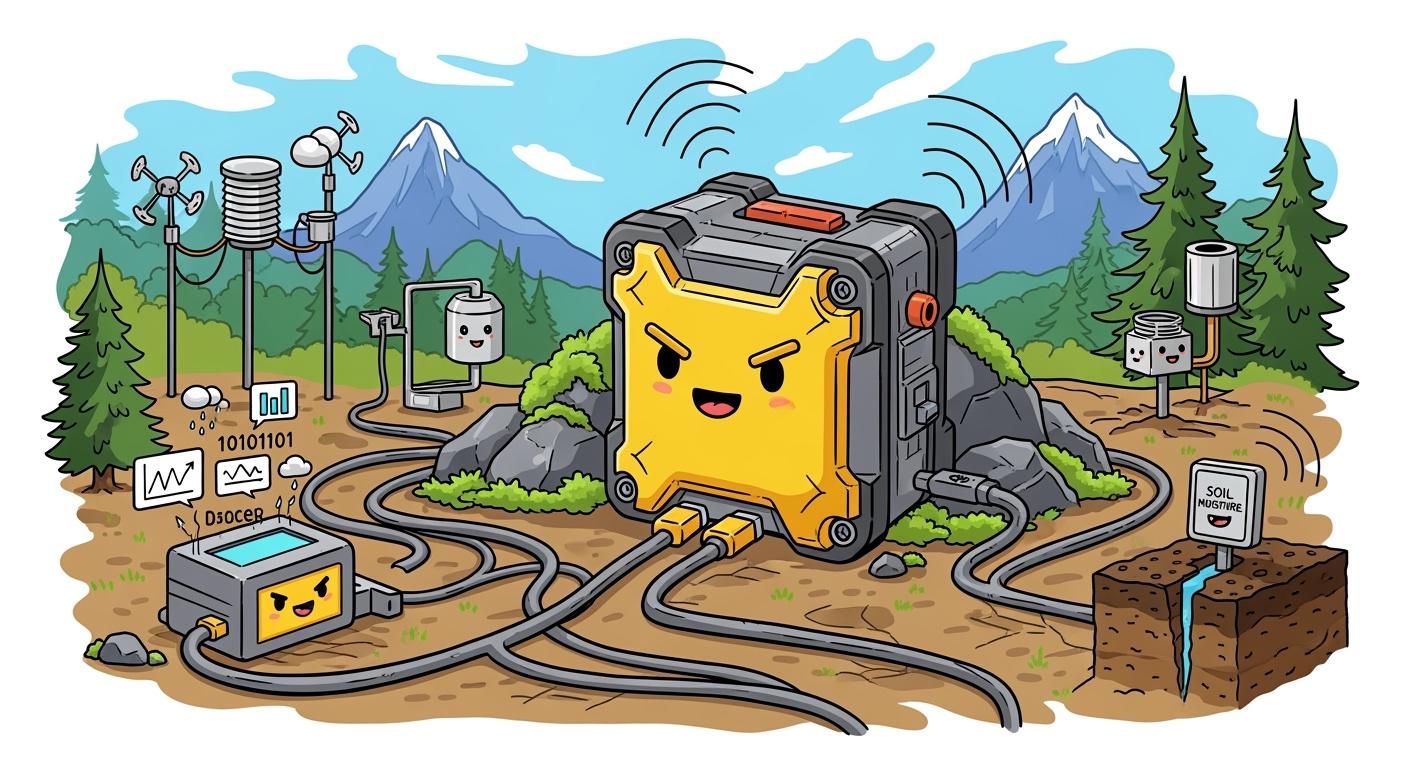
Quick Answer: High-reliability battery packs support long-term environmental monitoring by delivering stable power to sensors, data loggers, gateways, and communication modules in remote locations. An effective solution combines the appropriate lithium chemistry, sufficient energy capacity, low-temperature charging control, a rugged enclosure, and an advanced Battery Management System (BMS). Solar input, sleep-mode power consumption, communication peaks, seasonal temperature changes, and battery aging must all be included in the power budget.
Custom lithium battery packs play a critical role in remote environmental monitoring equipment where grid power is unavailable or unreliable. These systems may need to collect and transmit data continuously for months or years with limited access for inspection or maintenance.
Remote monitoring equipment faces changing temperatures, moisture, vibration, long periods of low power consumption, and short communication-related current peaks. Solar-powered systems must also continue operating through cloudy weather, shortened winter daylight, and panel contamination.
Low-temperature charging requires particular attention. Conventional lithium-ion cells should not be charged below the cell manufacturer’s approved temperature limit because lithium plating may reduce capacity and create safety risks. Depending on the application, engineers can use low-temperature cells, inhibit charging, reduce charging current, or integrate a controlled heating system.
Reliable operation therefore depends on the complete power architecture, not battery capacity alone. Cell chemistry, BMS protection, enclosure design, solar charging, communication strategy, and preventive maintenance must work together to protect data continuity.
Key Takeaways
Calculate battery capacity from the complete duty cycle, including sensor sampling, data processing, sleep mode, communication peaks, heating, and conversion losses.
Select chemistry according to runtime, cycle life, temperature range, weight, charging conditions, and maintenance access. LiFePO4 batteries provide strong cycle life and thermal stability, while NMC batteries provide higher energy density for compact equipment.
Use low-temperature battery solutions when the monitoring station must operate or charge in severe cold.
Integrate a BMS that monitors cell voltage, pack current, temperature, state of charge, and abnormal operating conditions.
Use an appropriately rated enclosure, sealed connectors, strain relief, and corrosion-resistant materials to protect the battery from moisture, dust, vibration, and mechanical damage.
Size solar generation and battery capacity for the lowest expected seasonal energy input rather than average annual sunlight.
Use remote diagnostics and predictive maintenance to identify falling capacity, increasing internal resistance, abnormal temperature, or repeated low-voltage events before the station fails.
Part1: Reliable Power for Remote Monitoring
1.1 Grid Independence
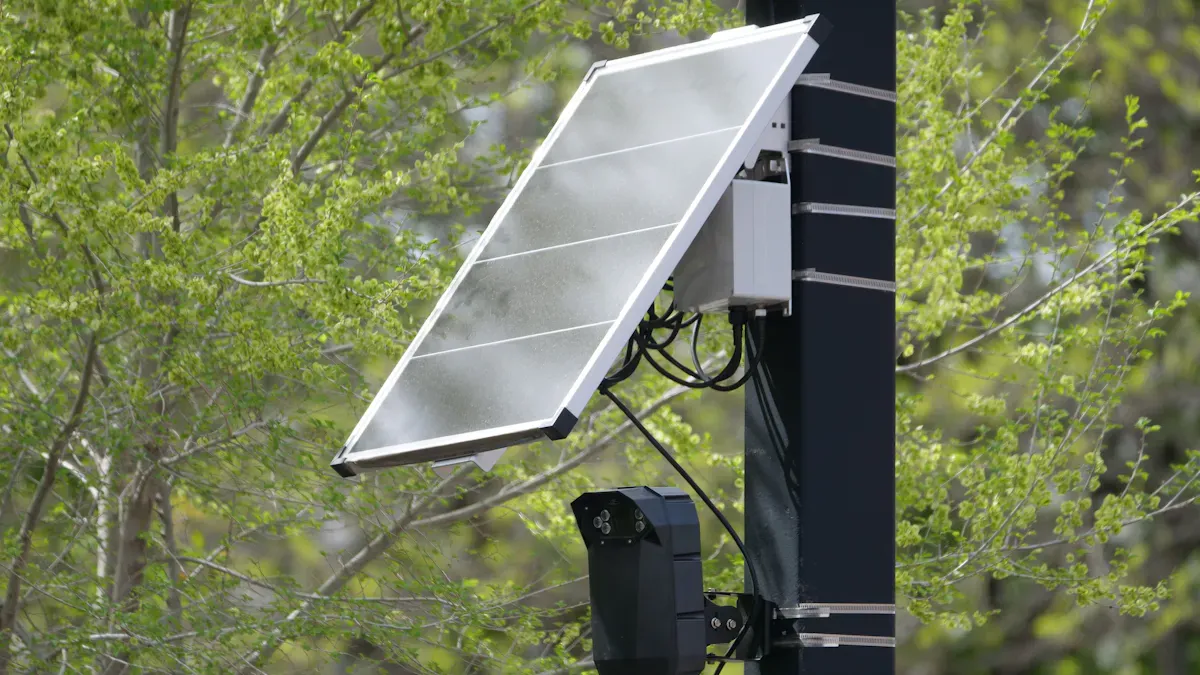
Remote environmental monitoring often takes place in locations far from reliable grid power. High-Reliability Battery Packs provide essential energy storage, enabling equipment to operate independently. Many systems use solar panels to charge batteries during daylight hours. The stored energy powers sensors and communication devices at night or during cloudy periods. Operators rely on these batteries to deliver backup power during outages, which increases system reliability. High-capacity lithium iron phosphate (LiFePO4) battery systems have become a preferred choice for achieving energy independence in harsh or isolated environments.
Battery systems store solar energy for remote monitoring equipment.
Batteries provide backup power during outages, enhancing reliability.
High-capacity LiFePO4 batteries support energy independence.
1.2 Continuous Data Collection
Uninterrupted data collection is vital for environmental monitoring projects. High-Reliability Battery Packs support this goal by offering features that match the demands of remote deployments.
Feature | Description |
|---|---|
Solar-Powered | Equipped with solar charging capabilities, reducing reliance on grid power. |
High Capacity | Designed to provide sufficient power for extended periods. |
Durable Construction | Built to endure harsh environmental conditions. |
Compact and Lightweight | Easy to transport and install, ideal for remote applications. |
Long Lifespan | Minimizes the frequency of battery replacements, offering cost savings. |
These features allow sensors in remote tanks, weather stations, and industrial sites to transmit data without interruption. Solar-powered instruments, paired with robust battery packs, ensure that monitoring continues even in challenging conditions.
1.3 Data Quality & Uptime
Reliable power directly impacts data quality and system uptime. Continuous monitoring of battery health, including voltage and temperature, helps detect early signs of battery failure. This proactive approach prevents unexpected downtime and protects the integrity of collected data. In industrial and infrastructure applications, battery monitoring systems have proven effective in preventing runtime losses and ensuring timely maintenance. High-Reliability Battery Packs, when properly managed, maintain operational efficiency and support long-term data collection goals.
Part2: High-Reliability Battery Packs & Types
2.1 Lithium Battery Packs
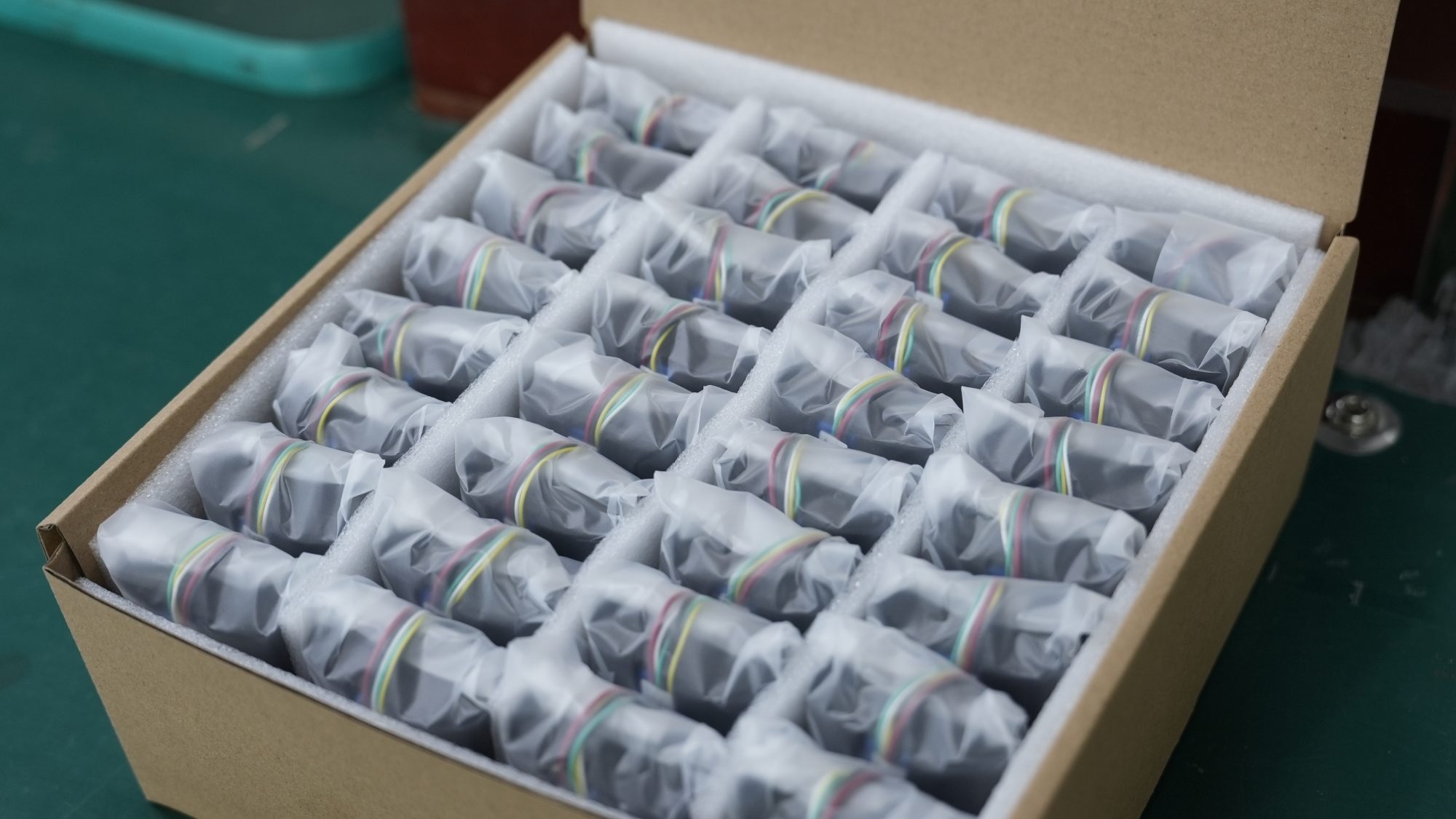
Lithium battery packs dominate remote environmental monitoring due to their high energy density, long cycle life, and stable performance. LiFePO4 (lithium iron phosphate) batteries stand out for their exceptional thermal and chemical stability, making them suitable for harsh outdoor deployments. These batteries deliver consistent voltage output, which supports reliable operation of sensors and communication modules in industrial, medical, and infrastructure applications. For example, the PKCELL 3.7V 3300mAh 18650 Li-ion Battery provides over 500 charge cycles and low self-discharge, ensuring long standby times for real-time monitoring boxes in remote locations.
Many organizations choose custom lithium-ion solutions to meet specific operational requirements. These solutions can include integrated heaters for subzero charging, advanced battery management systems, and ruggedized enclosures. Hybrid supercapacitor packs, often paired with lithium batteries, offer high pulse current capability and fast charge acceptance, which benefits wireless IoT modules and smart metering devices.
Tip: When selecting lithium battery packs, prioritize those with automotive-grade durability and certifications such as ISO 26262 and UN 38.3. These standards ensure reliable performance in extreme temperatures, vibrations, and humidity.
Battery Chemistry | Platform Voltage (V) | Energy Density (Wh/kg) | Typical Cycle Life | Key Applications |
|---|---|---|---|---|
LiFePO4 | 3.2 | 90–120 | 2000–7000 | Industrial, Medical, Infrastructure |
NMC (LiNiMnCoO2) | 3.6–3.7 | 150–220 | 1000–2000 | Robotics, Security, Consumer IoT |
LCO (LiCoO2) | 3.7 | 150–200 | 500–1000 | Consumer Electronics |
LMO (LiMn2O4) | 3.7 | 100–150 | 300–700 | Power Tools, Light EVs |
2.2 Other Battery Technologies
While lithium battery packs remain the preferred choice for most remote monitoring applications, alternative chemistries still play a role in specific scenarios. Li-SOCl₂ (lithium thionyl chloride) batteries offer ultra-low self-discharge and a lifespan of 10–20 years, making them ideal for long-term deployments such as smart meters and remote terminal units. Li-MnO₂ (lithium manganese dioxide) batteries provide high pulse capability at a lower cost, though they have a shorter lifespan and lower capacity compared to Li-SOCl₂.
Hybrid supercapacitors support devices that require high pulse currents and rapid charge acceptance. Lead-acid batteries, despite their low cost and proven reliability, suffer from short cycle life, heavy weight, and environmental concerns. Fuel cell power supplies, such as silent hydrogen or methanol units, deliver extended runtimes and minimal noise, which benefits applications like border surveillance and wildlife tracking. Wind batteries, although less common, can supplement lithium-ion solutions by providing additional energy storage in off-grid installations.
Battery Type | Lifespan | Key Advantages | Limitations |
|---|---|---|---|
Li-SOCl₂ | 10–20 years | Ultra-low self-discharge, high energy density | Poor pulse capability |
Li-MnO₂ | 3–7 years | High pulse capability, lower cost | Low capacity |
Lead-Acid | 2–5 years | Low cost, high surge power | Heavy, short cycle life, pollution |
Fuel Cell | 5–10 years | Long runtime, silent operation | Cartridge logistics, cost |
Wind Battery | 5–10 years | Renewable integration, backup power | Lower energy density |
LiFePO4 batteries have a longer cycle life than most traditional rechargeable batteries, reducing replacement frequency.
Lithium-ion batteries offer higher energy density and lower self-discharge rates than wind batteries, supporting long-term remote data collection.
2.3 Environmental Suitability
High-Reliability Battery Packs must withstand extreme conditions, including temperature fluctuations, humidity, moisture, dust, and vibration. Manufacturers design these packs for use in sectors such as military, aerospace, oil and gas, and construction, where exposure to salt water, high humidity, and excessive heat is common. Automotive-grade batteries, for example, operate reliably for over 10 years and comply with rigorous safety standards.
Environmental factors can impact battery performance and longevity. High humidity can trigger chemical reactions in lithium batteries, leading to surface degradation and reduced efficiency. Low humidity may dry out battery components, decreasing ion mobility. In zinc-air batteries, increased humidity and temperature accelerate electrolyte leakage, which damages seals and reduces reliability.
Note: Static electricity builds up more easily in dry conditions, potentially damaging sensitive components like the battery management system.
Feature | Automotive-Grade Battery | Consumer-Grade Battery |
|---|---|---|
Durability | 10+ years | Shorter use |
Safety Standards | ISO 26262, UN 38.3 | Basic certifications |
Environmental Tolerance | Extreme conditions | Limited range |
Custom battery solutions, such as IoT battery packs and silent fuel cell power supplies, further enhance environmental durability. These systems provide stable voltage and long operational life, reducing maintenance costs for remote stations. Organizations should consider both the technical specifications and the deployment environment when selecting High-Reliability Battery Packs for environmental monitoring.
Part3: Performance & Selection Criteria
3.1 Capacity & Cycle Life
Selecting the right battery capacity and cycle life is essential for remote environmental monitoring. Lithium iron phosphate (LiFePO4) batteries offer a much longer cycle life than many traditional rechargeable chemistries, supporting longer deployment periods. Operators must determine battery capacity based on the complete power profile of the system. This includes system voltage and daily energy consumption. Most remote monitoring stations use 12V or 12.8V systems, while larger installations may require 24V or custom configurations. Backup days are also critical. Many systems need to survive three to seven days of cloudy weather without full solar charging, which directly affects the required battery capacity.
LiFePO4 batteries support extended deployments.
System voltage and daily energy use guide capacity selection.
Backup days ensure reliability during poor weather.
3.2 Environmental Resilience
Environmental resilience directly impacts battery performance and longevity. High-Reliability Battery Packs must withstand thermal challenges, humidity, and temperature swings. Advanced battery management systems (BMS) play a key role in maintaining operational reliability. A well-designed BMS monitors voltage, current, temperature, and internal resistance, protecting the battery from harsh conditions. Proper sealing and desiccants in battery enclosures prevent moisture ingress, which is especially important for lithium-ion cells sensitive to humidity.
Factor | Impact on Performance and Longevity |
|---|---|
Thermal challenges | Can reduce battery life and reliability |
Effective thermal management | Prevents overheating and ensures stable operation |
Thermal cycling | Causes component degradation and maintenance needs |
3.3 Sizing for Deployment
Proper sizing ensures that battery packs meet the demands of each deployment. Operators must consider equipment needs, deployment conditions, and expected maintenance intervals. In sectors such as medical, robotics, security systems, infrastructure, and industrial monitoring, High-Reliability Battery Packs must deliver consistent power and withstand environmental stress. Advanced sensors in the BMS measure humidity and temperature, supporting predictive maintenance and optimizing battery performance. This approach extends operational life and reduces costly downtime.
Metric | Typical Value/Range | Importance |
|---|---|---|
Cycle Life | 2000–7000 cycles | Supports long-term deployments |
System Voltage | 12V, 12.8V, 24V | Matches equipment requirements |
Backup Days | 3–7 days | Ensures uptime during poor solar conditions |
Part4: Maintenance & Advancements
4.1 Predictive Maintenance
Predictive maintenance has transformed the way operators manage High-Reliability Battery Packs in remote environmental monitoring. Environmental sensors measure humidity, temperature, pressure, and volatile organic compounds. These sensors help battery management systems detect issues early, allowing timely interventions and reducing unnecessary maintenance. For example, the Cell Guard sensor from Metis Engineering monitors multiple parameters, providing synchronized data and sensitive early warnings. Operators in industrial and infrastructure sectors benefit from predictive maintenance, which extends battery life and reduces operational costs.
Benefit | Description |
|---|---|
Early Detection | Identifies potential issues before failures occur. |
Timely Interventions | Enables maintenance actions based on actual battery conditions. |
Cost Reduction | Prevents unexpected failures, lowering repair costs and minimizing disruptions. |
Extended Battery Life | Delays battery replacements, resulting in capital savings. |
Optimized Maintenance Scheduling | Reduces unnecessary interventions by basing schedules on real conditions. |
4.2 Battery Health Monitoring
Battery health monitoring relies on advanced technologies to ensure reliability and safety. Real-time monitoring systems track battery performance and detect early signs of failure. Acoustic-ultrasonic wave frameworks and multi-modal sensor networks provide comprehensive data on state of charge and state of health. Electrochemical Impedance Spectroscopy (EIS) chipsets enable high-frequency monitoring without extra components. These innovations support operators in medical, robotics, and security systems by identifying dynamic events and preventing failures.
Technology Type | Description |
|---|---|
Acoustic-Ultrasonic Wave Framework | Uses guided waves to monitor state of charge and health in lithium-ion batteries. |
Multi-modal Sensor Network | Combines sensing modalities for detailed battery condition and structural integrity data. |
EIS Capable Chipset | Embeds impedance spectroscopy for real-time monitoring and early failure detection. |
Note: Battery management systems play a critical role in battery health monitoring.
4.3 Technology Trends
Recent advancements in battery technology have improved reliability and safety for environmental monitoring equipment. Lithium-ion battery safety depends on proper handling and charging practices. Iontra’s charging algorithms moderate ion flow and heat buildup, preventing dendrite formation and electrode degradation. Solid-state batteries use solid electrolytes, reducing leakage risks and swelling. Flow batteries utilize redox reactions with liquid electrolytes, allowing larger energy storage without flammable materials. Battery management systems now integrate AI and machine learning, optimizing performance and predicting battery behavior.
Lithium-ion battery safety requires correct charging and handling.
Iontra’s charging algorithms reduce risks and extend battery life.
Solid-state batteries enhance safety by preventing leakage and swelling.
Flow batteries offer scalable energy storage with improved safety.
AI-powered battery management systems predict failures and optimize maintenance.
High-Reliability Battery Packs benefit from these innovations, supporting long-term deployments in harsh environments.
High-Reliability Battery Packs enable long-term remote environmental monitoring by providing consistent power in challenging environments. Proper selection, sizing, and maintenance remain essential for system reliability. Key factors include battery type, configuration, containment, and regular testing, as shown below:
Key Factor | Description |
|---|---|
Battery Type | VRLA, lithium, and nickel-cadmium batteries suit remote locations. |
Maintenance | Regular checks and testing protect investment and ensure functionality. |
Controls/Alarms | Disconnects and alarms help monitor and protect battery life. |
Staying updated on battery technology allows operators to detect issues early, improve safety, and ensure reliable data collection.
FAQ
What makes lithium battery packs suitable for remote environmental monitoring?
Custom lithium battery packs provide high energy density, low self-discharge, configurable voltage and capacity, and integration with intelligent monitoring electronics. These features support continuous data collection in remote infrastructure and industrial monitoring applications.
The pack must still be designed around the equipment’s real power profile, environmental conditions, charging source, maintenance interval, and required deployment life.
Which lithium battery chemistry is best for environmental monitoring equipment?
The choice usually depends on whether the project prioritizes energy density, cycle life, temperature performance, or compact dimensions.
Main Advantage | Design Consideration | Suitable Application | |
|---|---|---|---|
LiFePO4 | Long cycle life and strong thermal stability | Lower energy density and 3.2V nominal cell voltage | Solar-powered stations and long-term fixed monitoring |
NMC | Higher energy density and lower pack weight | Requires careful thermal and charging management | Compact or portable monitoring equipment |
Low-temperature lithium-ion | Improved discharge performance in severe cold | Charging limits remain cell-specific | Alpine, polar, winter, and cold-storage monitoring |
Do not select chemistry only from a general comparison table. Confirm the cell manufacturer’s discharge and charging limits at the project’s expected temperatures.
How does a Battery Management System improve reliability?
A Battery Management System monitors individual cell-group voltage, pack current, temperature, and state of charge. It protects the battery against overcharge, over-discharge, overcurrent, short circuit, and abnormal temperature.
A smart BMS can also record operating data and communicate with the monitoring controller. This allows operators to identify declining capacity, cell imbalance, excessive load, or charging problems before data collection is interrupted.
Do lithium battery packs need integrated heaters in subzero conditions?
Not every low-temperature application requires a heater. The correct strategy depends on the selected cell and whether the battery must charge or only discharge in the cold.
Possible approaches include:
Selecting cells designed for low-temperature operation
Preventing charging below the approved temperature
Reducing charging current within the cell manufacturer’s limits
Heating the cells before charging
Moving charging to the warmest part of the daily operating cycle
The BMS and charger must coordinate temperature measurement, heater control, and charging permission.
How should you size a battery pack for a solar-powered monitoring station?
Calculate daily consumption for every operating state:
Sensor sampling
Data logging and processing
Sleep or standby mode
Cellular, LoRa, satellite, or radio transmission
Conversion losses
Enclosure heating or battery heating
Battery and component aging
Then define the required autonomy period for low-sun conditions. Battery capacity and solar-panel output should be based on the worst expected seasonal conditions, with suitable engineering margin.
How can battery packs withstand moisture and harsh outdoor environments?
Use an enclosure with an appropriate IP rating, sealed connectors, corrosion-resistant hardware, protected cable entries, and controlled internal condensation. Conformal coating or encapsulation may protect selected electronics, but thermal dissipation and serviceability must also be considered.
The completed pack should be tested for the actual temperature, humidity, vibration, shock, ingress, and UV exposure expected in the application.
What maintenance practices extend battery-pack service life?
Remote health monitoring is more valuable than relying only on fixed replacement intervals. Track state of charge, cycle count, temperature history, cell imbalance, available capacity, and internal-resistance trends.
Inspect accessible systems for enclosure damage, corrosion, loose connectors, water ingress, swelling, and abnormal heating. Replace a battery when it reaches the validated service threshold established for the equipment.
Are lithium battery packs safe for sensitive monitoring equipment?
Lithium battery packs can provide reliable power when the cells, protection electronics, enclosure, charger, and operating limits are properly engineered and validated. A protection circuit alone does not guarantee system safety.
The final design should include the applicable electrical, environmental, transport, and industry-specific testing. For voltage, capacity, temperature range, communication, solar charging, and enclosure support, consult Large Power about an industrial custom battery solution.


