

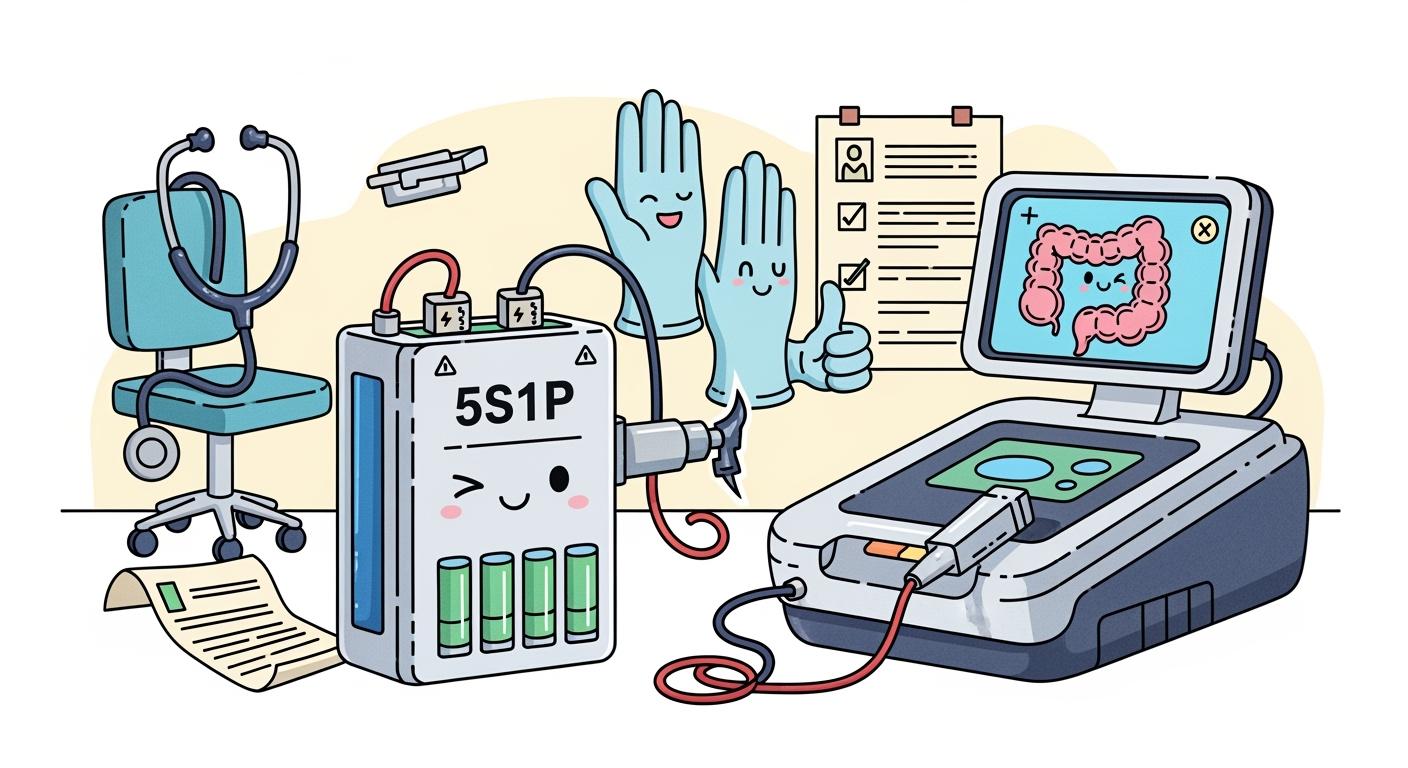
You use a 5S1P lithium battery pack when you need a compact power source. This configuration combines five cells in series, each with a nominal voltage of 3.6 volts, resulting in a total of 18 volts. Mobile endoscopy systems benefit from this design due to reduced weight and reliable energy density. Safety and cycle life remain essential for medical devices.
Requirement Type | Description |
|---|---|
Battery Management System (BMS) | Implements safety monitoring for voltage and temperature. |
Redundancy & Fault Tolerance | Enhances reliability and patient safety. |
Lifecycle Testing | Assesses long-term performance and durability. |
You gain actionable guidance for customizing your lithium battery pack to meet strict medical standards.
Key Takeaways
A 5S1P lithium battery pack offers a compact and efficient power source, ideal for mobile endoscopy systems. It provides a nominal voltage of 18V, ensuring compatibility with portable medical devices.
Prioritize safety by integrating a robust Battery Management System (BMS). A well-designed BMS monitors voltage and temperature, preventing overcharging and overheating, which enhances device reliability.
Select high-quality cells that meet strict medical standards. Compliance with regulations like ISO 13485 and IEC 62133 ensures safety and performance, reducing the risk of device failure.
Part1: 5S1P Lithium Battery Pack Essentials
1.1 Configuration and Voltage
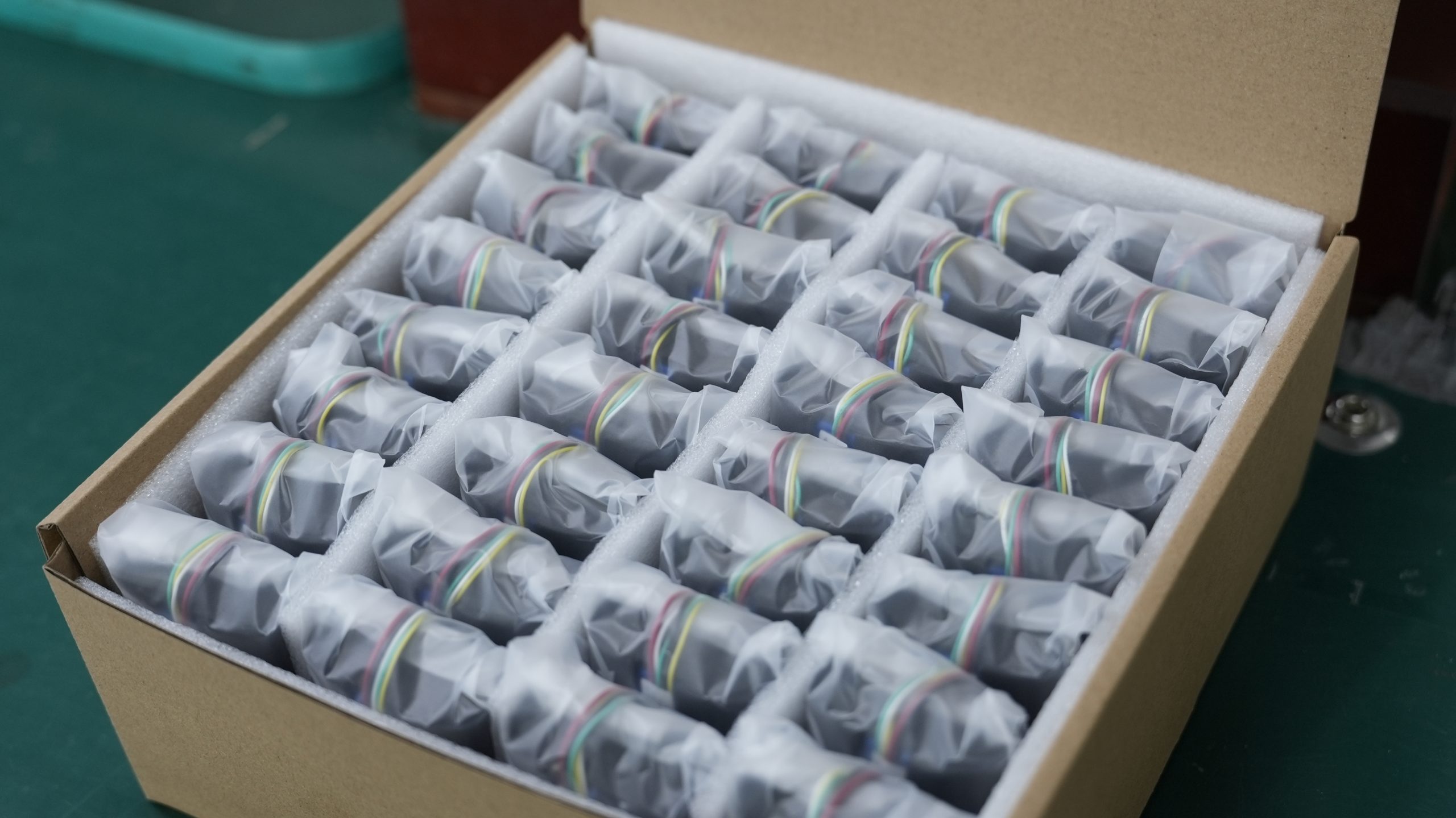
You select a 5S1P lithium battery pack when you need a compact and efficient power source. This configuration connects five cells in series, which increases the voltage while keeping the pack slim and lightweight. The standard output for a 5S1P pack is 18V nominal, with a maximum of 21V when fully charged and a minimum of 12.5V when discharged. The following table summarizes the key specifications:
Specification | Value |
|---|---|
Capacity | 5000mAh |
Nominal voltage | 18V |
Maximum voltage | 21V |
Minimum voltage | 12.5V |
You can see that this voltage range matches the requirements for mobile endoscopy systems and other portable medical devices.
1.2 Capacity and Cycle Life
When you design a lithium battery pack for medical use, you must balance capacity and cycle life. Typical packs for portable medical devices offer rated capacities from 2500mAh to 5000mAh.
You benefit from a higher cycle life, which means the battery can handle many charge and discharge cycles before losing significant capacity. This reliability is critical in medical, robotics, and security system applications.
1.3 Portability and Application Fit
You gain a significant advantage in portability with a lithium battery pack. Lithium-ion batteries provide a lightweight and efficient power source, which is crucial for mobile endoscopy systems. High energy density allows you to store more energy in a smaller space, reducing the overall weight of your device. NMC or cobalt-rich blends offer even higher energy density, making them ideal for space-constrained diagnostic equipment.
Lightweight design supports easy transport and use in clinical settings.
High energy density extends operation time between charges.
Compact form factor fits seamlessly into medical, consumer electronics, and industrial devices.
Tip: Always match the battery chemistry and configuration to your specific application to maximize performance and safety.
Part2: Design and Safety Considerations
2.1 Cell Selection and Quality
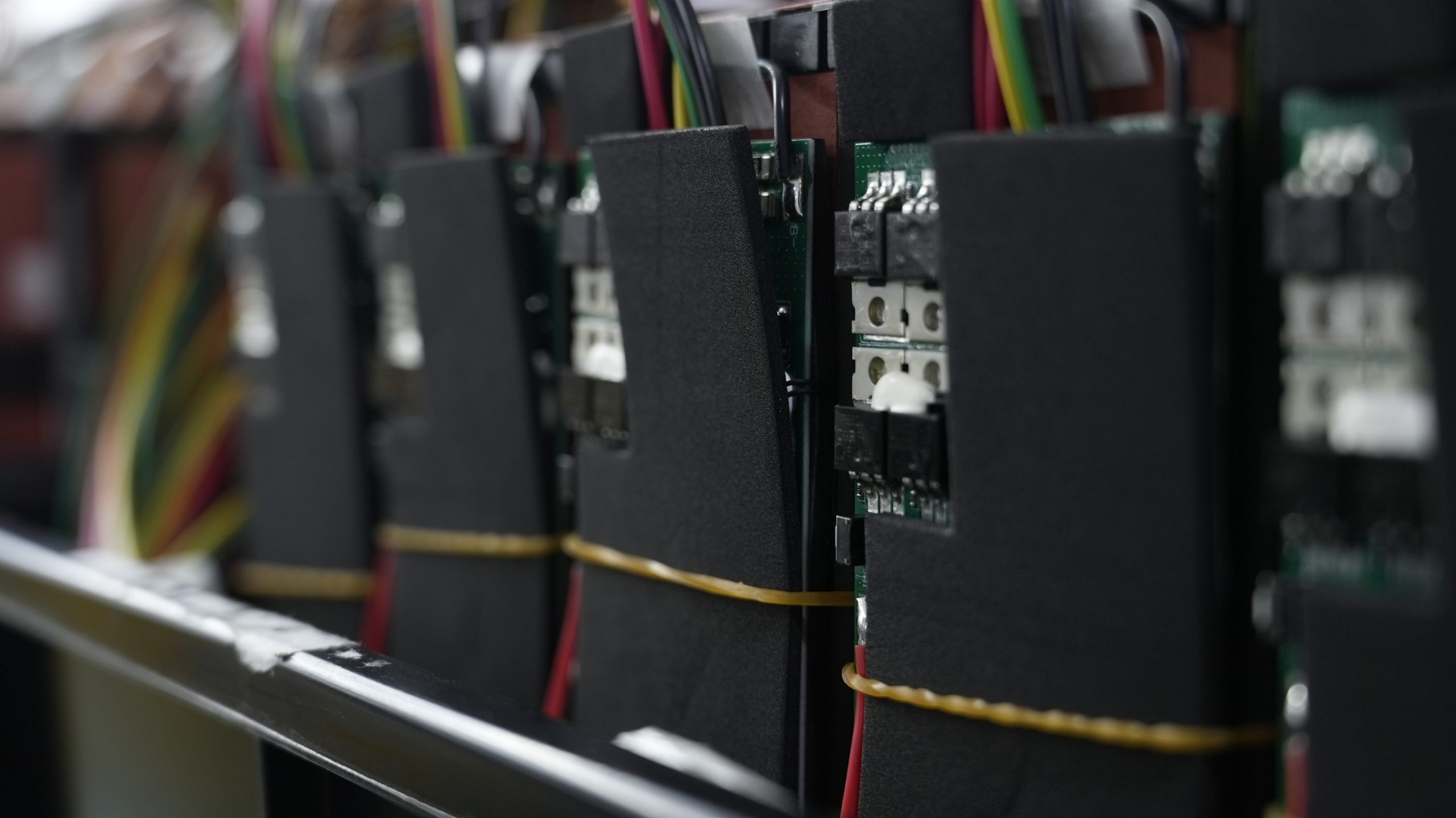
You must select cells that meet strict medical standards when designing a lithium battery pack for mobile endoscopy systems. High-quality cells ensure reliability, safety, and long-term performance. The following table highlights the most critical factors you should evaluate:
Factor | Details |
|---|---|
Compliance Standards | Ensure compliance with UN38.3, IEC 62133, and RoHS for safety and international shipping. |
Certification | Verify UL 1642 or CE certification for North American or EU markets. |
Voltage Tolerance | Confirm voltage tolerance: ±5% deviation can affect device performance. |
Traceability | Prioritize suppliers offering full traceability and batch testing records. |
Performance Cycles | Look for minimum 1,000 full charge-discharge cycles at 80% depth of discharge (DoD). |
Energy Density | Validate energy density: ≥ 150 Wh/kg indicates efficient design. |
Self-Discharge Rate | Test for self-discharge rate: ≤ 2% per month ensures long shelf life. |
Thermal Stability | Confirm thermal stability under 60°C ambient conditions. |
Total Cost of Ownership (TCO) | Evaluate TCO including replacement frequency, maintenance, and warranty terms. |
Integration Compatibility | Confirm compatibility with existing charging infrastructure and check connector types. |
After-Sales Support | Require on-time delivery guarantees and access to dedicated technical support teams. |
Operational Safety Compliance | Select batteries with built-in short-circuit and overcurrent protection. |
You should consider reputable manufacturers such as Emerging Power and Inventus Power. These suppliers offer proven reliability and advanced lithium-ion technology for medical devices.
Tip: Always request batch testing records and certification documents from your supplier to ensure traceability and compliance.
2.2 Battery Management System (BMS)
You need a robust Battery Management System to guarantee safety and performance in your lithium battery pack. The BMS monitors voltage, current, and temperature, and provides essential protection functions. The table below outlines the core and advanced features you should expect:
Function Type | Description |
|---|---|
Basic Solution | Over Charge, Over Discharge, Over Current, Over Voltage, Under-Voltage, Temperature, Balancing |
Advanced Solution | Support communication protocol and can read battery data on PC |
Intelligent Solution | Based on the above functions, can read the data through cell phone APP |
A medical-grade BMS should support real-time monitoring and data logging. You can integrate advanced solutions that allow remote diagnostics and predictive maintenance. For more details on BMS integration, visit our BMS solution page.
Note: A well-designed BMS prevents overcharging, over-discharging, and overheating, reducing the risk of device failure.
2.3 Thermal and Electrical Protection
You must implement comprehensive thermal and electrical protection to safeguard your lithium battery pack. Medical devices require stable operation under varying conditions. The following components are essential for protection:
Component | Function Description |
|---|---|
Control IC | Monitors voltage, current, and temperature. |
MOSFETs | Connects or disconnects the battery from load/charger. |
Resistors | Used for voltage/current sampling and balancing. |
Capacitors | Stabilizes the circuit to prevent oscillation. |
Control logic circuits | Manages timing, thresholds, and switching sequences. |
You should also include:
PTC: Increases resistance at high temperature.
Fuse: Provides irreversible protection.
NTC sensor: Measures temperature for thermal shutdown.
ID module / EEPROM: Stores battery information.
Memory components: Store cycle count or protection logs.
Protection circuits must respond quickly to abnormal conditions. For example:
Overcharge: >4.25V per cell – Stop charging.
Over-discharge: <2.5–2.8V per cell – Stop discharging.
Over-current: >10–60A depending on pack – Cut off MOSFET.
Short circuit: Instant high current – Immediately disconnect.
High temperature: >60°C (charging), >70°C (discharging) – Thermal shutdown.
Callout: Neglecting these features can cause thermal instability, battery failure, and hazards such as fires or explosions.
2.4 Safety, Compliance, and Testing
You must comply with international safety standards and certifications when designing lithium battery packs for medical devices. The following table summarizes the key requirements:
Standard/Regulation | Description |
|---|---|
ISO 13485 | Ensures a quality management system for safe and reliable battery production. |
FDA General Safety and Performance Requirements | Batteries must meet IEC 62133, UL 2054, ISO 13485, and IEC 60601-1, be biocompatible, and have safety features for patient use. |
European Medical Device Regulation (EU) | Compliance with MDR for safety, performance, and quality, including biocompatibility and ISO 13485 adherence. |
IEC 62133 | International safety standard for secondary cells and batteries, including biocompatibility and safety features. |
UL 2054 | Safety standard for batteries covering electrical, mechanical, environmental, and thermal safety. |
IEC 60601-1 | General requirements for the safety and performance of medical electrical equipment, including batteries. |
ISO 10993-1 | Guidelines for evaluating biological safety of medical devices, ensuring batteries do not cause adverse reactions. |
You must conduct lifecycle testing, environmental stress tests, and biocompatibility assessments. Proper labeling and documentation are required for shipping and regulatory compliance. Include the shipping name, identification number, and hazard warning labels on the battery or packaging. You must follow DOT, IATA, and IMDG Code regulations for domestic and international shipments.
Tip: Failure to comply with labeling and documentation requirements can result in shipment rejections, regulatory fines, and delivery delays.
2.5 Integration and Maintenance
You should design the lithium battery pack for seamless integration with mobile endoscopy systems. Compatibility with charging infrastructure and connector types is essential. You must consider the physical dimensions, mounting options, and electrical interface. Routine maintenance includes monitoring cycle count, inspecting connectors, and updating firmware for the BMS.
Schedule regular battery health checks.
Replace packs at the end of their rated cycle life.
Use diagnostic tools to monitor performance and predict failures.
For custom integration solutions, visit our custom battery solutions page.
Note: Customization ensures the battery pack meets the unique requirements of your medical device, improving reliability and user experience.
2.6 Common Pitfalls
You must avoid common pitfalls in lithium battery pack design for medical devices. The most frequent causes of recalls include:
Thermal runaway, which generates excessive heat and can ignite the pack.
Overheating, leading to device malfunction or fire.
Off-gassing, releasing toxic and combustible fumes.
Explosions, resulting from uncontrolled thermal events.
Manufacturing impurities can cause internal short circuits, leading to swelling, hissing, or catastrophic failure. The absence of a Protection Circuit Module increases the risk of overcharging or over-discharging. You must implement strict quality control and safety protocols to prevent these issues.
Alert: Always prioritize safety features and thorough testing to protect patients and maintain regulatory compliance.
You achieve optimal results by selecting high-quality cells, integrating a robust BMS, and following strict safety protocols when designing a Lithium Battery Pack. Safety, reliability, and compliance remain critical. The table below highlights essential standards and advancements:
Standard | Benefit |
|---|---|
ISO 13485 | Quality control |
UN 38.3 Testing | Transport safety |
Extended Runtime | Uninterrupted use |
For tailored solutions, explore our custom battery solution.
FAQ
What advantages does a 5S1P lithium battery pack offer for medical and industrial devices?
You gain high energy density, stable voltage, and compact size. This configuration fits mobile endoscopy, robotics, security, and industrial equipment.
How do you ensure compliance and safety in custom battery packs?
You select certified cells, integrate a robust BMS, and follow ISO 13485 and IEC 62133 standards. Large Power provides custom solutions with full compliance.
Explore custom battery solutions.
Which lithium battery chemistry best suits mobile endoscopy systems?
You should consider NMC (Nickel Manganese Cobalt Oxide) for high energy density and long cycle life. The table below compares common chemistries:
Chemistry | Energy Density (Wh/kg) | Cycle Life (cycles) |
|---|---|---|
NMC | 160–270 | 1000–2000 |
LiFePO4 | 100–180 | 2000–5000 |
LCO | 180–230 | 500–1000 |


