

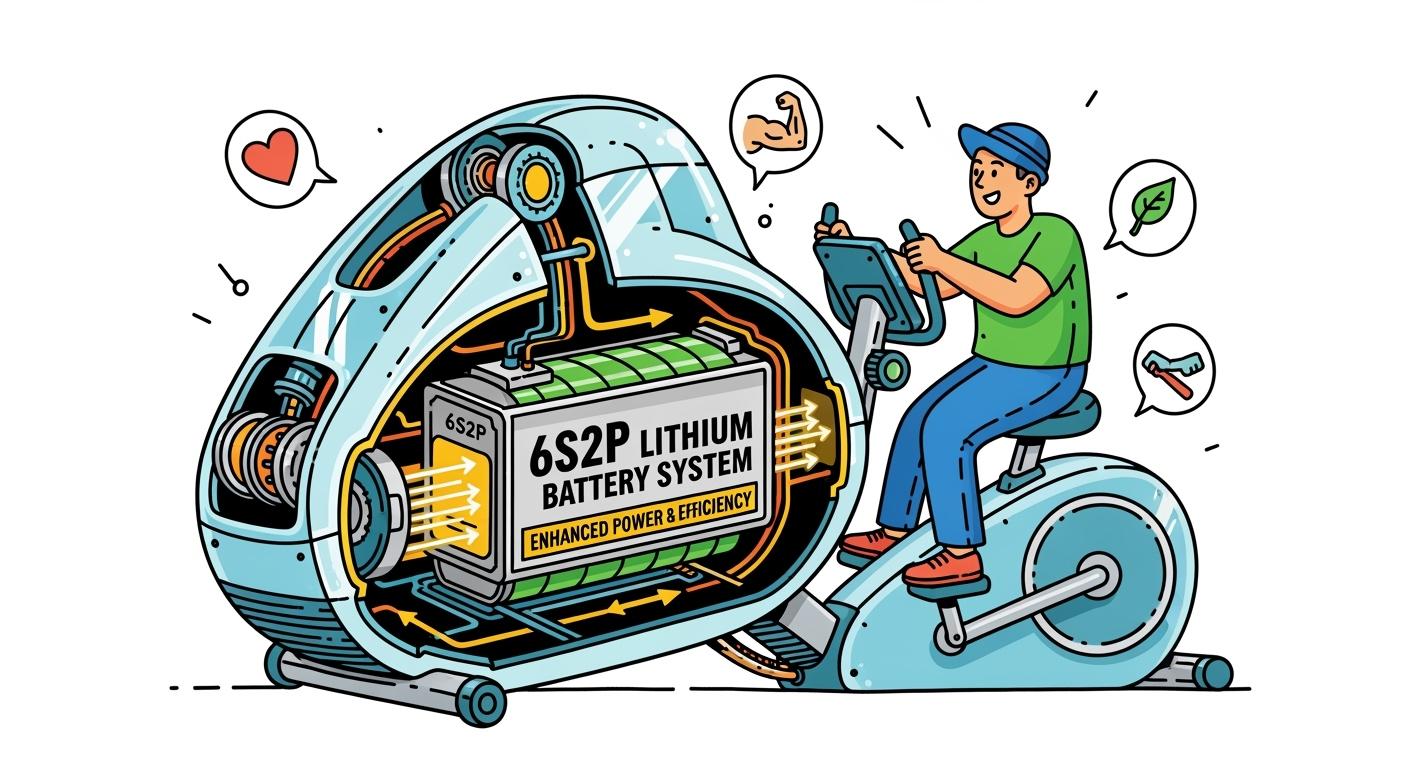
You know that in rehabilitation, reliable power means uninterrupted progress. Many medical device manufacturers face challenges with battery longevity and quality, which can increase costs and risks for patients. The right lithium battery system addresses these issues, supporting rehabilitation equipment that demands consistent performance and safety. Reliable batteries enable standardized protocols that evaluate movement patterns and monitor rehabilitation progress. Teleassessment studies, with intraclass correlation coefficients above 0.9, confirm the reliability of battery-powered rehabilitation tools. When you choose a 6S2P configuration, you gain a solution that ensures your rehabilitation devices run longer, safer, and more efficiently, directly impacting patient outcomes and operational stability for your medical business.
Key Takeaways
A 6S2P lithium battery system provides stable voltage and long runtime, ensuring rehabilitation robots operate continuously and safely during therapy sessions.
Custom lithium battery packs enhance safety with battery management systems that monitor performance, preventing overheating and extending battery life.
High energy density in 6S2P configurations reduces downtime and improves workflow efficiency, making them ideal for both clinical and home rehabilitation settings.
Part1: 6S2P Lithium Battery System Overview
1.1 6S2P Configuration Explained
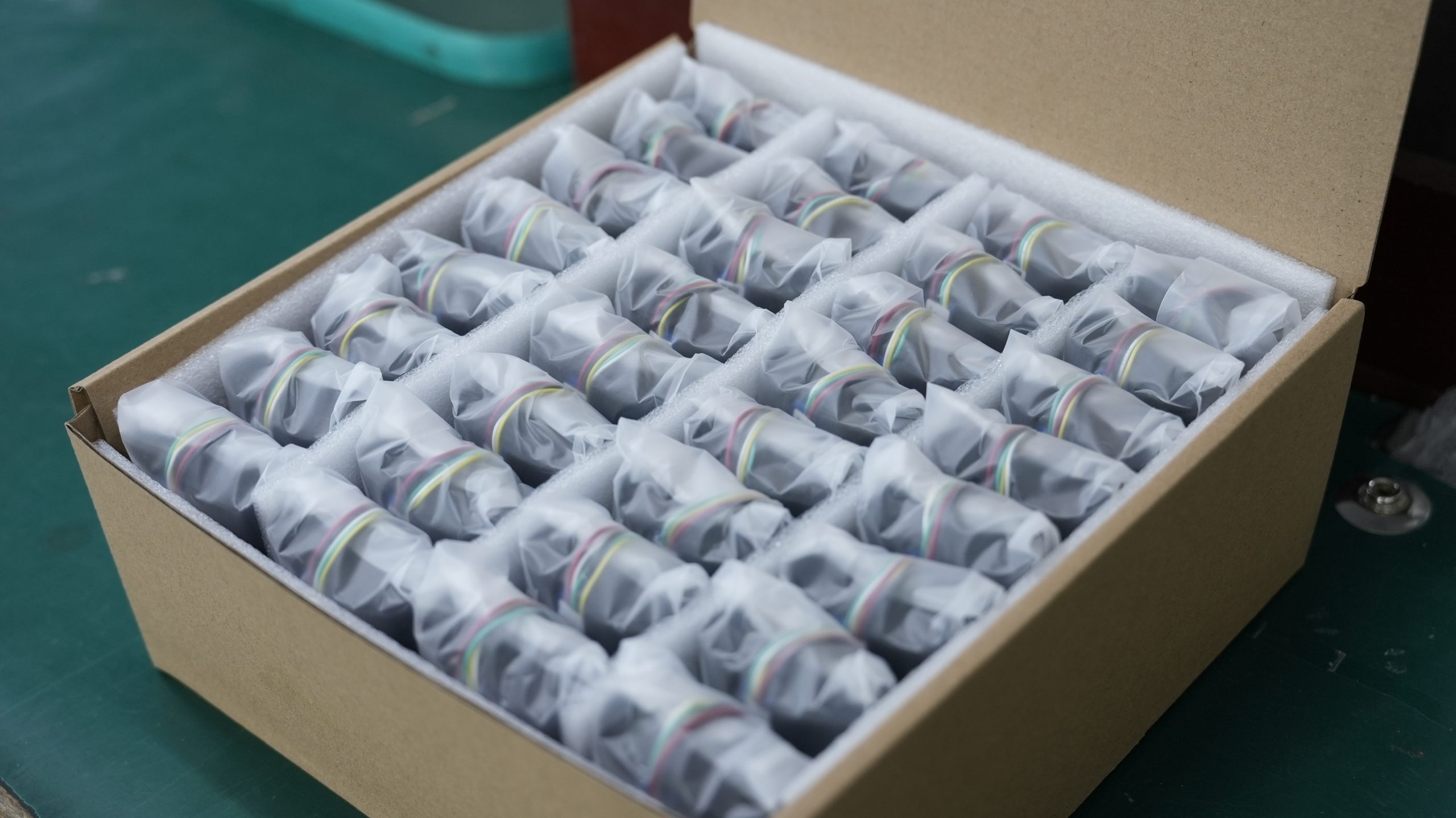
You need a lithium battery system that delivers both high voltage and extended capacity for rehabilitation robots and training equipment. The 6S2P configuration achieves this by connecting six cells in series and two in parallel. The series arrangement increases the platform voltage to 21.6V or 22.2V, which is essential for powering advanced rehabilitation devices. The parallel connection doubles the capacity, supporting longer operation times and consistent performance. This structure allows you to integrate custom lithium battery packs into compact medical devices, rehabilitation robots, and other equipment where space and weight matter.
Here is a technical comparison table for a typical 6S2P lithium battery system used in rehabilitation applications:
Parameter | Value | Remark |
|---|---|---|
Nominal Voltage | 22.2V | 3.7V/Cell |
Nominal Capacity | 6400mAh | @0.2C |
Max. Discharge Current | 30A | High power output |
Cycle Life | ≥1000 cycles | Retention ≥70% |
Weight | About 620g | Compact design |
Dimensions | 110×37×70 mm | Easy integration |
You benefit from a lithium battery system that supports high discharge rates, robust cycle life, and compact form factor. These features make custom lithium battery packs ideal for medical, robotics, and industrial sectors.
1.2 Importance for Rehabilitation Devices
Rehabilitation robots and training equipment require reliable energy sources to maintain precise movement and safety. The 6S2P lithium battery system provides stable voltage and extended runtime, which are critical for continuous rehabilitation sessions. You can rely on custom lithium battery packs to deliver consistent power, reducing downtime and improving patient outcomes. Battery management systems further enhance safety by monitoring charge and discharge cycles, protecting against overcurrent and overheating.
With a lithium battery system designed for rehabilitation, you ensure your devices operate efficiently in demanding environments. Rehabilitation robots benefit from high energy density and long cycle life, supporting intensive therapy protocols. Custom lithium battery packs offer flexibility for integration, enabling you to meet the unique requirements of rehabilitation and medical applications.
Part2: Enhancing Medical Equipment Reliability and Performance

2.1 Balanced Charging and Safety
You need balanced charging to ensure that every cell in your custom lithium battery packs operates at optimal voltage. This feature prevents overcharging and deep discharge, which can damage cells and reduce the lifespan of your rehabilitation robots. Battery management systems in 6S2P configurations monitor each cell, providing real-time protection against short circuits and overheating. You benefit from enhanced safety, which is critical for rehabilitation and medical devices.
When you deploy rehabilitation robots in clinical settings, you must comply with strict safety standards. These include UN38.3 for safe transport, IEC 62133 for portable battery safety, CE for health and environmental protection, and RoHS for restricting hazardous substances. Meeting these certifications ensures your rehabilitation equipment operates safely and reliably, even in demanding environments.
Tip: Always use compatible chargers and regularly inspect your custom lithium battery packs to maintain peak safety and performance.
2.2 High Energy Density and Long Runtime
You require high energy density to support intensive rehabilitation sessions. The 6S2P lithium battery system delivers extended runtime, allowing rehabilitation robots to operate for longer periods without interruption. This capability is essential for rehabilitation protocols that demand continuous movement and precise control.
Custom lithium battery packs with high energy density reduce the frequency of recharging, which improves workflow efficiency in rehabilitation centers. You can also integrate these packs into mobile medical equipment, ensuring that devices remain operational during patient transport or remote therapy sessions. In the industrial sector, long runtime supports automated rehabilitation robots that assist with repetitive therapy tasks.
Application Scenario | Runtime (Hours) | Benefit for Rehabilitation |
|---|---|---|
Rehabilitation robots | 8-12 | Continuous therapy |
Mobile medical equipment | 10-14 | Reliable patient support |
Industrial automation | 12-16 | Reduced downtime |
2.3 Stable Output and Cycle Life
You depend on stable output to maintain consistent performance in rehabilitation robots and other medical devices. The 6S2P configuration ensures that your custom lithium battery packs deliver steady power, even under heavy use. This stability is vital for rehabilitation, where fluctuations in power can disrupt therapy and compromise patient safety.
Steady power supports uninterrupted operation of rehabilitation robots.
Fewer service needs reduce maintenance costs for your rehabilitation equipment.
Consistent output ensures that imaging machines and other medical devices function smoothly.
Long cycle life means your custom lithium battery packs can withstand frequent charging and discharging. You maximize the value of your investment by reducing the need for frequent replacements. For rehabilitation robots used in both clinical and home settings, this reliability translates to better patient outcomes and lower total cost of ownership.
Note: To extend the lifespan of your custom lithium battery packs, keep the state of charge between 20% and 80%, avoid deep discharge, and store batteries in a cool, dry place.
2.4 Efficient Thermal Management
You must address thermal management to prevent overheating in your rehabilitation robots and training equipment. Effective temperature control protects your custom lithium battery packs from thermal runaway, which can compromise safety and shorten battery life. By maintaining optimal operating temperatures, you ensure that your rehabilitation equipment remains reliable and safe for daily use.
Adverse temperatures can accelerate battery degradation and reduce performance. Robust thermal management systems in 6S2P configurations help you maintain consistent output and extend the longevity of your custom lithium battery packs. This approach is especially important for rehabilitation robots that operate in environments with fluctuating temperatures, such as hospitals, clinics, and home care settings.
You can apply these energy solutions across various sectors, including medical, robotics, security, infrastructure, consumer electronics, and industrial applications. Each sector benefits from the reliability, safety, and efficiency of custom lithium battery packs, whether you need backup battery power for critical systems or advanced power systems for rehabilitation robots.
You gain unmatched reliability, safety, and operational efficiency with a 6S2P lithium battery system for rehabilitation. This configuration supports rehabilitation robots and rehabilitation equipment, ensuring stable power for rehabilitation sessions. Future trends in rehabilitation include:
High-energy density chemistries for advanced rehabilitation robots
Enhanced safety through improved BMS in rehabilitation devices
Choose 6S2P lithium battery systems to elevate your rehabilitation robots and rehabilitation equipment performance.
FAQ
What advantages does a 6S2P lithium battery system offer for rehabilitation robots?
You gain stable voltage, long runtime, and enhanced safety. These features support continuous therapy and reliable operation in medical and robotics applications.
How can you customize a lithium battery solution for your equipment?
You can consult Large Power for tailored battery packs. Visit custom battery consultation to match your device’s voltage, capacity, and safety requirements.
Which sectors benefit most from 6S2P lithium battery systems?
You see strong performance in medical, robotics, security, infrastructure, consumer electronics, and industrial sectors. The system supports high energy density and robust cycle life.


