

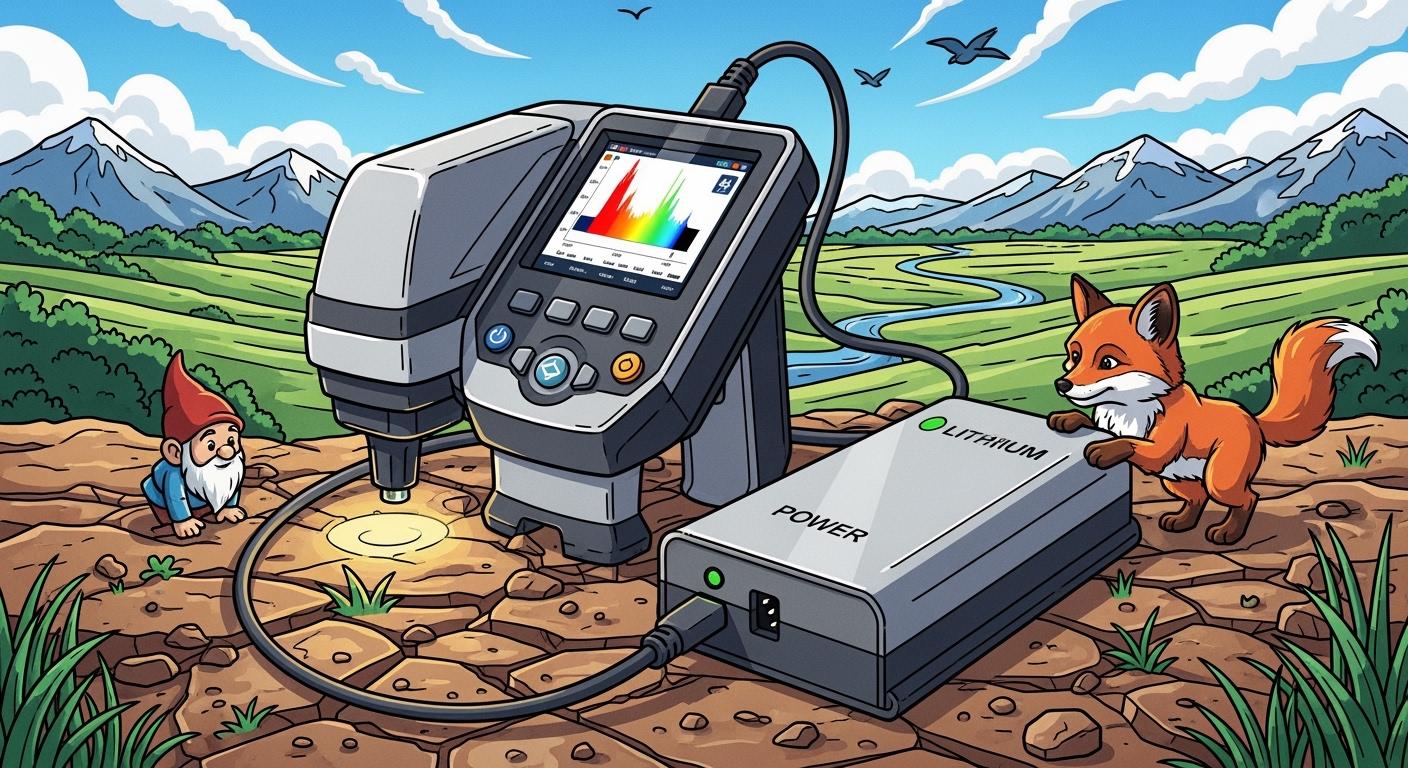
Lithium Battery Packs deliver dependable power for portable spectrometers used in field operations. Engineers rely on custom lithium battery packs to maintain stable voltage, analytical accuracy, and uninterrupted operation during remote material analysis. Application-specific capacity, thermal management, and BMS protection support advanced functions such as temperature control and data processing.
Key Takeaways
Lithium Battery Packs provide reliable power for portable spectrometers in remote locations.
High energy density allows spectrometers to run advanced features for longer periods.
Lightweight design makes it easy to transport spectrometers across challenging terrains.
Long cycle life reduces maintenance costs and ensures consistent performance.
Proper battery selection and care maximize spectrometer performance and safety.
Part1: Power Needs in the Field
1.1 Field Analysis Demands
Portable spectrometers play a vital role in material analysis across many sectors. Teams in medical diagnostics, robotics, security systems, and industrial operations often deploy these devices in remote or off-grid locations. Engineers require high-precision results to ensure safety, quality, and compliance. Spectrometers must operate advanced features such as temperature control, rapid data processing, and wireless communication. These functions demand a stable and dependable power source.
Note: Reliable power enables spectrometers to maintain calibration and deliver accurate readings. Inconsistent energy supply can lead to errors and unreliable data.
Lithium Battery Packs provide the energy density needed for extended fieldwork. Their platform voltage, typically around 3.6V per cell, supports high-performance electronics. Teams benefit from lightweight design and long cycle life, which allows repeated use without frequent replacements. These batteries enable spectrometers to function in challenging environments, such as construction sites, disaster zones, and remote medical camps.
1.2 Challenges Without Reliable Power
Field teams face significant obstacles when power sources fail. Unstable or insufficient energy can disrupt analysis and compromise results. In industrial and infrastructure projects, inaccurate readings may lead to costly mistakes or safety hazards. Medical teams depend on precise spectrometer data for diagnostics and treatment decisions.
Loss of power can halt operations and delay critical tasks.
Inconsistent battery performance may cause calibration drift and data loss.
Heavy or bulky batteries reduce mobility and limit deployment options.
Lithium Battery Packs address these challenges by offering consistent performance and portability. Their high energy density ensures spectrometers run advanced features, including thermoelectric coolers and wireless modules. Teams achieve reliable results and maintain operational flexibility in demanding field conditions.
Part2: Lithium Battery Packs Advantages
2.1 High Energy Density
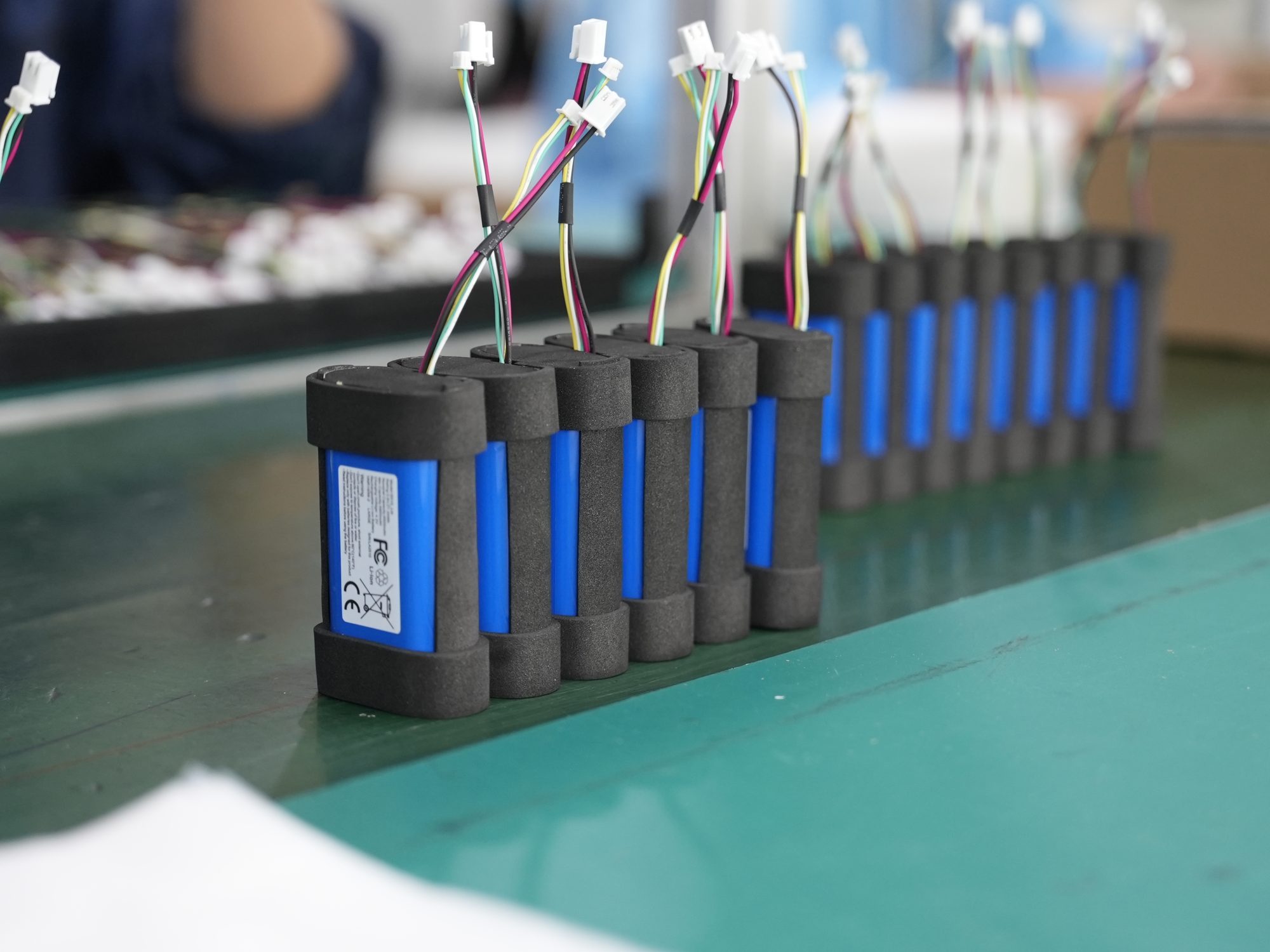
Lithium Battery Packs deliver high energy density, which means they store more energy in a smaller and lighter package. This feature is essential for portable spectrometers used in the field. Teams in medical diagnostics, robotics, and industrial sectors often need to carry equipment over long distances or operate in areas without access to AC power. High energy density allows spectrometers to run advanced features, such as thermoelectric (TE) coolers, for longer periods.
The following table compares the energy density of common battery chemistries used in portable spectrometers:
Battery Chemistry | Energy Density (Wh/kg) |
|---|---|
Lithium-ion (NMC, LCO) | Up to 330 |
Nickel-cadmium (NiCd) | About 165 |
Lead-acid | 75 |
A higher energy density means longer runtime and more reliable performance. The table below shows how this benefits portable spectrometers:
Benefit | Description |
|---|---|
Extended Usage Time | Longer runtime between charges supports uninterrupted field analysis. |
Compact Design | Smaller battery size makes spectrometers easier to transport and deploy. |
Improved Functionality | Reliable power enables advanced features, such as TE coolers and wireless communication modules. |
2.2 Lightweight and Portable
Field teams value lightweight and portable power solutions. Lithium Battery Packs weigh less than other battery types with similar capacity. This advantage makes it easier for engineers and technicians to carry spectrometers to remote or rugged locations. For example, the Portable Acousto‐Optic Spectrometer (PASA) uses a lithium battery pack rated at 10 Amp-hours. This pack provides about 4 hours of continuous operation and up to 8 hours with intermittent use.
Teams can transport spectrometers across challenging terrains.
Lightweight batteries reduce fatigue and increase deployment speed.
Portability supports rapid response in emergency or time-sensitive scenarios.
Medical teams, security personnel, and industrial inspectors benefit from this mobility. They can perform high-precision analysis without worrying about heavy or bulky power sources.
2.3 Long Life and Safety
Lithium Battery Packs offer a long cycle life, which means they can be charged and discharged many times before needing replacement. This feature reduces maintenance costs and downtime for organizations. The table below compares the cycle life of different lithium battery chemistries:
Battery Chemistry | Cycle Life Range |
|---|---|
LiFePO4 (Lithium Iron Phosphate) | 3,000 to 10,000 |
NMC (Nickel Manganese Cobalt Oxide) | 1,000 to 2,000 |
LCO (Lithium Cobalt Oxide) | 500 to 1,000 |
LMO (Lithium Manganese Oxide) | 300 to 700 |
Solid-State | 2,000 to 10,000 |
Lithium Metal | 500 to 1,000 |
LiFePO4 and solid-state batteries stand out for their high cycle life and safety. These chemistries resist overheating and thermal runaway, making them suitable for sensitive environments such as hospitals, laboratories, and critical infrastructure sites. Organizations in robotics and consumer electronics also choose these batteries for their reliability and safety profile.
2.4 Consistent Performance
Consistent performance is crucial for high-precision material analysis. Lithium Battery Packs maintain stable voltage and power output throughout their discharge cycle. This stability ensures that spectrometers deliver accurate results, even during extended field operations. Advanced models with TE coolers or wireless modules require steady power to avoid calibration drift and data loss.
Note: Consistent battery performance supports reliable operation in medical, security, and industrial applications. Teams can trust their equipment to function as expected, regardless of location or environmental conditions.
The combination of high energy density, lightweight design, long life, and consistent performance makes lithium battery packs the preferred choice for powering portable spectrometers in demanding field scenarios.
Part3: Selecting Lithium Battery Packs
3.1 Capacity and Runtime
B2B buyers must evaluate the energy capacity and expected runtime of Lithium Battery Packs. Field spectrometers in medical, robotics, and industrial sectors often require continuous operation for several hours. Teams should match battery capacity, measured in ampere-hours (Ah) or watt-hours (Wh), to the spectrometer’s power draw and mission duration. High-capacity packs support advanced features like thermoelectric coolers and wireless modules. A clear understanding of runtime needs helps prevent unexpected downtime during critical field analysis.
3.2 Safety and Certifications
Safety remains a top priority for organizations deploying spectrometers in sensitive environments. Lithium Battery Packs must comply with international safety standards and certifications. The following standards ensure batteries withstand transport and operational stresses:
UL 1642: Standard for Lithium Batteries
UL 2054: Standard for Household and Commercial Batteries
IEC 62133-2: Safety Requirements for Portable Sealed Secondary Cells and Batteries
UN 38.3: Transportation Safety Standard
Before shipping by air, sea, rail, or road, batteries must pass the UN 38.3 test. This process verifies that batteries can handle extreme environmental and mechanical conditions without risk. Buyers should request documentation for these certifications from suppliers.
3.3 Rechargeability
Recharge cycles determine the long-term value of a battery pack. Chemistries like LiFePO4 and solid-state lithium offer thousands of cycles, reducing replacement costs. Teams should consider the charging method and the presence of a battery management system (BMS). A BMS protects against overcharge, deep discharge, and short circuits, extending battery life and ensuring safe operation.
3.4 Environmental Suitability
Field conditions can vary widely. Teams must select batteries that perform reliably in expected temperature ranges. For example, LiFePO4 batteries operate best between 0°C and 55°C for charging and -20°C to 60°C for discharging. High temperatures can shorten battery life, while low temperatures reduce capacity. Prolonged heat exposure may cause permanent damage. Proper storage below 30°C (86°F) helps maintain battery health. Teams should avoid charging in cold conditions to prevent lithium plating.
Tip: Always check the battery’s datasheet for recommended operating and storage temperatures.
3.5 System Compatibility
Compatibility with the spectrometer’s voltage, connectors, and control systems is essential. Teams should confirm that the battery pack matches the platform voltage (typically 3.6V per cell for lithium chemistries) and supports the device’s power requirements. Integration with the spectrometer’s BMS or external protection modules ensures safe and reliable operation. Buyers should consult with manufacturers to verify compatibility and avoid costly integration issues.
Part4: Field Use and Maintenance

4.1 Optimizing Battery Life
Field teams can extend battery lifespan by following best practices during spectrometer use. The table below outlines essential strategies:
Best Practice | Description |
|---|---|
Maintain Optimal Temperature | Store and use batteries at moderate temperatures (15°C to 30°C). |
Avoid Deep Discharge | Recharge batteries when charge drops to 20-30% to prevent full discharge. |
Use Smart Chargers | Select high-quality chargers with built-in protections to regulate charging. |
Medical, robotics, and industrial teams often operate in environments with temperature extremes. They should monitor battery temperature and avoid exposing packs to direct sunlight or freezing conditions. Smart chargers help prevent overheating and extend battery service life.
4.2 Safe Handling and Storage
Proper handling and storage reduce risks and ensure compliance with safety standards. Teams should:
Purchase batteries from reputable manufacturers that meet UL 1642 and IEC 61960 standards.
Follow manufacturer guidelines for storage and charging.
Use chargers rated for the specific lithium chemistry to prevent overcharging.
Charge and store batteries in fire retardant bags and never leave them unattended during charging.
Store batteries at 40% charge in a cool, dry place (around 15°C) and insulate terminals.
Security system operators and infrastructure inspectors benefit from these protocols, which help prevent accidents and maintain operational readiness.
4.3 Troubleshooting in the Field
Field teams may encounter issues such as unexpected shutdowns, reduced runtime, or charging failures. They should:
Check connectors and terminals for dirt or corrosion.
Inspect for physical damage or swelling.
Reset the battery management system if the pack does not respond.
Replace batteries that show signs of overheating or capacity loss.
Quick troubleshooting ensures minimal downtime during critical analysis in medical or industrial applications.
4.4 Backup and Redundancy
Redundancy is vital for uninterrupted field operations. Teams should carry backup battery packs and test them before deployment. In robotics and consumer electronics, backup solutions prevent data loss and maintain workflow. Teams can rotate battery packs to balance usage and extend overall fleet life.
Tip: Always label and track battery packs to monitor usage cycles and schedule timely replacements.
Lithium battery packs enable portable spectrometers to deliver high-precision material analysis in the field. Teams in medical, robotics, security, and industrial sectors depend on reliable power for consistent results. Selecting the right battery pack and following best practices for use and maintenance ensures safety and efficiency. Recent advances, such as solid-state batteries and improved lithium diffusion materials, promise greater safety and performance. Micro-Raman spectroscopy helps optimize battery design, supporting longer life and better field usability.
Teams should monitor battery technology developments for improved field operations.
Proper battery selection and care maximize spectrometer performance.
FAQ
What makes lithium battery packs ideal for portable spectrometers in the field?
Custom lithium battery packs combine high energy density, low weight, stable voltage, and application-specific capacity. These characteristics support accurate material analysis, data processing, temperature control, and extended field operation across medical devices, robotics, and industrial systems.
How do teams ensure battery safety during transport and use?
Teams should select cells and battery packs tested to applicable standards, such as UL 1642, IEC 62133-2, and UN 38.3. A properly designed Battery Management System should provide overcharge, over-discharge, overcurrent, short-circuit, and temperature protection. Teams must also follow the manufacturer’s charging, storage, transport, and inspection instructions.
Can lithium battery packs operate in extreme temperatures?
Yes, but the permitted charging and discharging ranges depend on the cell chemistry and pack design. Standard lithium-ion cells may lose capacity and power in severe cold, while charging below the specified temperature can create safety risks. For outdoor or cold-region instruments, teams can use a low-temperature battery with suitable insulation, heating, temperature sensing, and BMS controls.
How do organizations address conflict minerals in lithium battery packs?
Organizations should evaluate supplier traceability, responsible-sourcing policies, and material declarations. Teams can review Large Power’s Conflict Minerals Statement to understand its approach to ethical and compliant battery supply chains.
What is the typical runtime for a portable spectrometer using a lithium battery pack?
Runtime depends on battery energy, instrument power consumption, temperature-control demand, operating mode, and conversion efficiency. Estimate it using:
Runtime (hours) = Battery energy (Wh) × system efficiency ÷ average device power (W)
For example, a 14.8 V, 10 Ah pack stores approximately 148 Wh. At 85% usable system efficiency and a 30 W average load, the estimated runtime is about 4.2 hours. Actual runtime must be verified through device-level testing.
How can you obtain a battery pack for a portable spectrometer?
Large Power can customize the cell chemistry, voltage, capacity, enclosure, connectors, communication protocol, BMS, and temperature protection for your spectrometer. Contact Large Power to discuss your operating environment, runtime target, certification requirements, and integration specifications.


